

The western disturbance forecast for northern India has triggered fresh warnings for fog, rain, and snowfall, raising concerns for farmers and transport networks across several states. The evolving weather system is expected to affect crops, mobility, and daily life over the coming days.
This topic is time sensitive and news driven. The tone below reflects active weather conditions and immediate implications.
What the current western disturbance forecast indicates
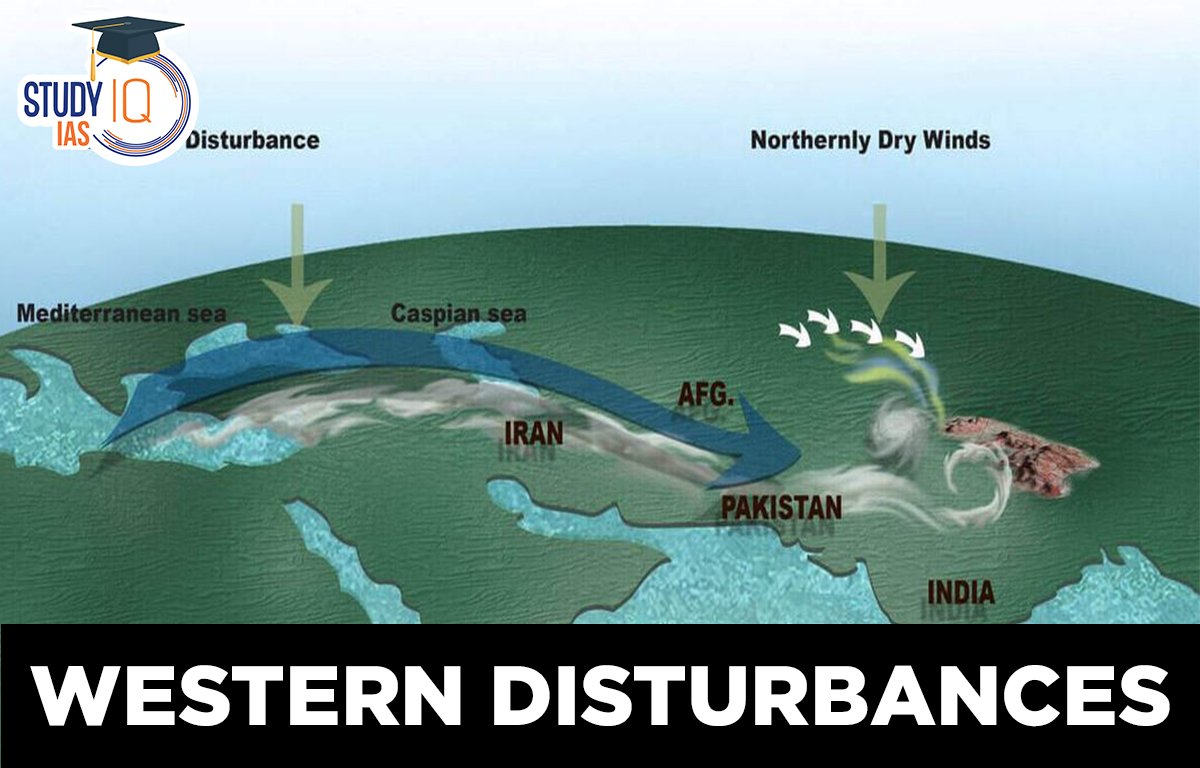
The latest western disturbance forecast points to a strong weather system moving across the Himalayan region and adjoining plains. Such disturbances originate in the Mediterranean region and travel eastward, influencing winter weather in North India. This particular system is expected to bring widespread fog in the plains, light to moderate rainfall in agricultural belts, and snowfall in higher reaches.
States likely to feel the impact include Jammu and Kashmir, Himachal Pradesh, Uttarakhand, Punjab, Haryana, western Uttar Pradesh, and parts of Rajasthan. Dense fog conditions during early morning and late night hours are expected to persist, reducing visibility and increasing cold stress. In hill regions, snowfall may intensify over short periods, affecting road access and essential supplies.
Impact on rabi crops and standing harvests
For farmers, the western disturbance carries mixed implications. Light to moderate rain can benefit rabi crops such as wheat, mustard, and gram by improving soil moisture levels. In regions where irrigation access is limited, timely rainfall supports healthy crop growth during critical stages.
However, excessive rain or hail events can damage standing crops, especially mustard nearing maturity. Waterlogging in low lying fields poses risks to root health. Farmers harvesting vegetables like potatoes, peas, and leafy greens may face delays, affecting market supply and prices.
Cold wave conditions associated with dense fog can also slow crop growth. Extended low sunlight hours reduce photosynthesis, which may impact yield if conditions persist longer than expected.
Fog related risks to road and rail transport
Dense fog is among the most disruptive outcomes of a western disturbance for transport systems. Visibility often drops sharply during early morning hours, affecting highways and urban arterial roads. Northern states already experience congestion during winter, and fog increases accident risk due to reduced reaction time.
Road transport corporations typically delay or reroute services under severe fog conditions. Freight movement slows, affecting perishable goods supply to urban markets. Truck drivers face increased fatigue due to prolonged travel times and frequent stoppages.
Rail services are also impacted. Trains running through northern plains often experience delays as speed restrictions are imposed to ensure safety. This has a cascading effect on long distance schedules, especially for trains originating or terminating in the region.
Air travel and hill connectivity challenges
Air travel faces operational challenges during fog episodes linked to western disturbances. Low visibility procedures can lead to flight delays, diversions, or cancellations, particularly during early morning and late night windows. Passengers traveling for work or emergencies are advised to factor in buffer time.
In hill states, snowfall impacts road connectivity to remote areas. Mountain passes and highways may be temporarily closed due to snow accumulation or avalanche risk. This affects tourism, local supply chains, and access to healthcare services. Authorities often deploy snow clearance teams, but reopening timelines depend on weather intensity.
Preparedness measures and advisories
State authorities and agricultural departments issue advisories during western disturbance events to reduce risk. Farmers are advised to delay irrigation and harvesting where rainfall is expected. Protective measures for horticulture crops, such as covering nurseries or using windbreaks, help minimize damage.
Transport agencies issue fog advisories urging cautious driving, reduced speeds, and use of fog lights. Airports and railways activate contingency plans to manage passenger flow during delays. In hill regions, travelers are advised to avoid unnecessary movement during snowfall alerts.
Timely communication plays a key role in minimizing disruption. Weather updates help stakeholders plan operations and reduce economic losses.
Broader implications for winter weather patterns
Frequent western disturbances this season highlight shifting winter weather patterns in northern India. While these systems are essential for replenishing snowpack and groundwater, their intensity and timing influence agriculture and infrastructure resilience.
For policymakers, repeated disruptions underline the need for improved forecasting, real time communication, and climate resilient planning. For farmers and transport operators, adapting schedules and practices to weather variability is becoming essential rather than optional.
The current western disturbance serves as a reminder that winter weather events have economic and social consequences beyond temperature drops. Managing their impact requires coordination across sectors and timely response at the ground level.
Takeaways
- The western disturbance forecast warns of fog, rain, and snowfall across northern states
- Rabi crops may benefit from rain but face risks from excess moisture and cold
- Road, rail, and air transport are likely to see delays and safety challenges
- Timely advisories help farmers and commuters reduce losses and disruption
FAQs
What is a western disturbance?
It is a weather system originating near the Mediterranean that brings winter rain, fog, and snow to northern India.
How does it affect farming?
Light rain improves soil moisture for rabi crops, but excess rainfall or hail can damage standing crops and delay harvest.
Why does fog increase during western disturbances?
High moisture and low temperatures create conditions for dense fog, especially during night and early morning hours.
How long do such disturbances usually last?
Most western disturbances affect regions for two to four days, depending on their strength and movement speed.












Leave a comment