

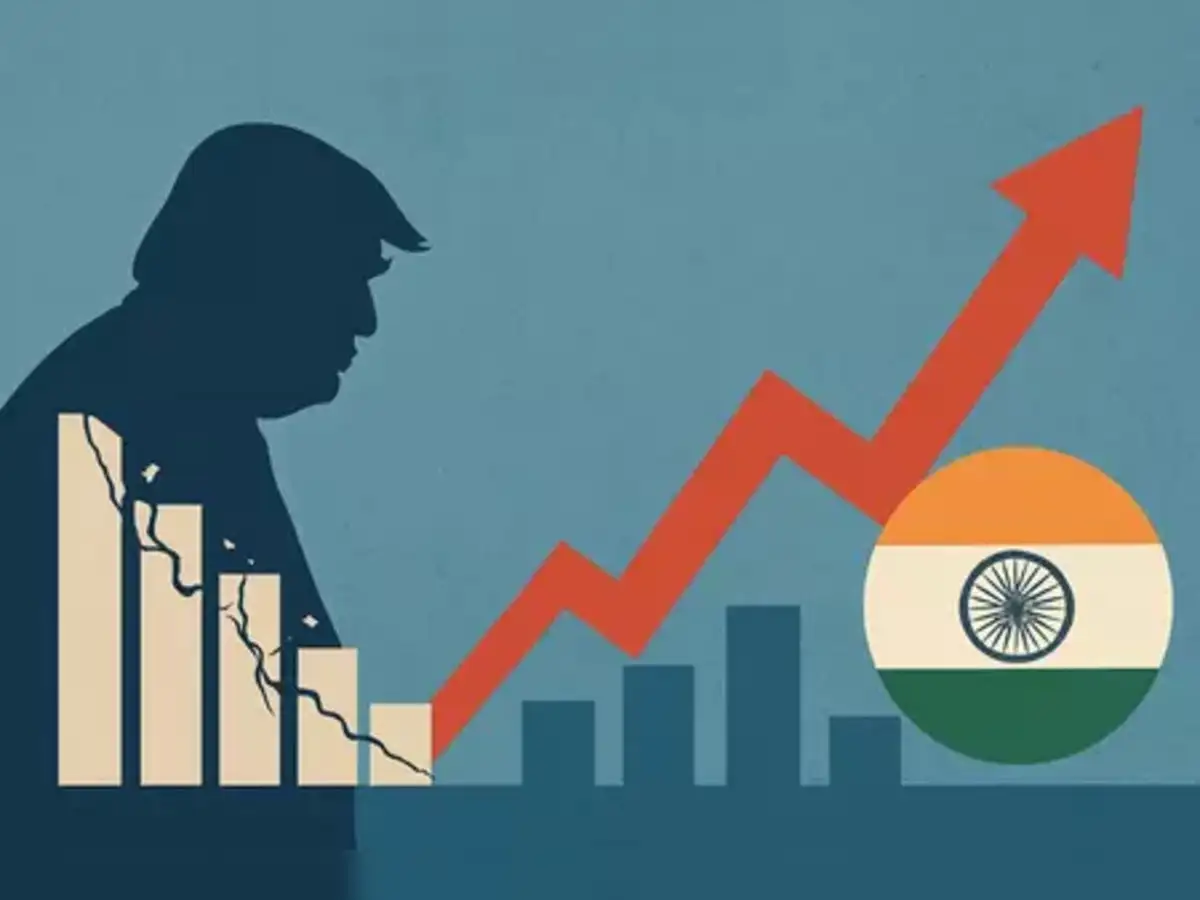
With India’s GDP expected to grow around 6.5–7.6 percent in FY26, mid-size cities stand to see a boost in job creation and consumer spending. This growth can drive expansion of services, manufacturing and local trade — offering new opportunities beyond metros — provided demand holds steady.
GDP growth — what’s expected and why it matters
The projected 6.5–7.6 percent GDP growth for FY26 reflects optimism about stronger domestic demand, tax reforms and easing interest rates that fuel consumption and investment. Growing GDP typically correlates with rising private consumption and increased business activity. For mid-size cities, this national growth trend can translate into real gains: more demand for goods and services, increased hiring, expansion of retail and local enterprises, and improved consumer sentiment.
How jobs could shift in smaller cities
As demand rises, sectors like manufacturing, retail, hospitality, transport and services — all of which are vital in mid-size cities — could see hiring spurts. Local factories may increase output; small- and medium-sized enterprises (SMEs), shops and regional supply chains may hire more staff to meet demand. The services sector (retail, logistics, hospitality) typically picks up first when consumption rises, generating part-time, contract, and full-time jobs. Even informal sectors could benefit as greater consumption fuels demand for labour, though quality and job security might vary.
Consumption boost: from necessities to discretionary spending
With economic expansion, purchasing power in mid-size cities may rise. Essentials like food and household items will likely see steady demand, but a more interesting shift could be in discretionary spending — electronics, appliances, lifestyle goods, entertainment, local travel, dining out. Growth in consumption can revive small-town retail, spur opening of new stores, restaurants, local malls, and services such as salons, e-commerce delivery, etc. This generates a virtuous cycle: improved income → higher spending → more jobs → more demand.
Wider impacts: local businesses, supply chains, and real estate
Local businesses in smaller cities may benefit from increased demand and improved cash flow. SMEs supplying goods or services, or dependent on raw materials and regional supply chains, may see orders rise. That can strengthen supplier networks and create indirect jobs. Real estate and housing — both residential and commercial — may see renewed interest if more people get salaried jobs or incomes rise. For example, demand for rental housing increases if people relocate for work; shops, warehousing, logistic hubs, or small offices can see demand rise.
Caveats: employment elasticity and uneven job quality
Historically in India, GDP growth has not always translated into proportionate employment growth. Structural analyses show that much of GDP growth results from productivity gains, not direct job creation. In many sectors — particularly services and high-productivity industries — output can rise without hiring many extra workers. Hence, mid-size cities might benefit unevenly: some sectors may absorb workers, while others may expand output with existing staff. Also, job quality may vary, with many roles remaining informal, part-time or contract-based rather than stable and well-paid.
Risks: Inflation, cost pressures and global headwinds
Growth-driven consumption can increase demand for goods and services, but if inflation spikes — especially in essentials — real income gains for many households may be limited. Mid-size cities often have more sensitive consumer bases: rapid price changes may erode spending power. Furthermore, global economic headwinds (like trade tensions, import-export volatility) can hit industries that supply overseas or depend on global demand — affecting job prospects in manufacturing or export-oriented firms.
What this means for mid-size cities — a snapshot
If GDP growth sustains: increased hiring in retail, services, manufacturing; rise in small business activity; growth in discretionary consumption; real estate demand; improved local supply-chain activity. On the other hand: employment growth may lag output growth; many jobs may remain informal; inflation or cost of living changes could dampen gains; uneven distribution of benefits across sectors.
Takeaways
• Mid-size cities in India are well positioned to benefit from 6.5–7.6 % GDP growth via job creation in retail, services, manufacturing and local enterprises.
• Rising consumer spending — both essential and discretionary — could revive local businesses, retail, lifestyle services and real estate demand.
• But structural limits exist: higher GDP does not guarantee proportionate employment growth; many jobs may remain informal or contract-based.
• Inflation, global economic risks and uneven sectoral growth could blunt the positive effects, especially for lower-income households.
FAQ
Q: Does higher GDP growth automatically mean more jobs for mid-size cities?
A: Not always. While GDP growth indicates more economic activity, employment generation depends on the sectors driving growth. Productivity gains and automation can raise output without hiring more people.
Q: Which sectors in mid-size cities are likely to hire more if consumption rises?
A: Retail, local manufacturing, warehouses and logistics, hospitality, small-scale services (shops, delivery, personal services), housing-related services are likely to see hiring.
Q: Will consumer spending increase evenly across all income levels?
A: Probably not. Middle-income and above households are more likely to increase discretionary spending. Lower-income households may see limited gains, especially if inflation on essentials rises.
Q: Could real estate markets in smaller cities see a boost due to national GDP growth?
A: Yes — increased income and employment may lead to higher demand for rental housing, local offices, smaller commercial spaces and retail outlets, especially as SMEs expand.












Leave a comment