

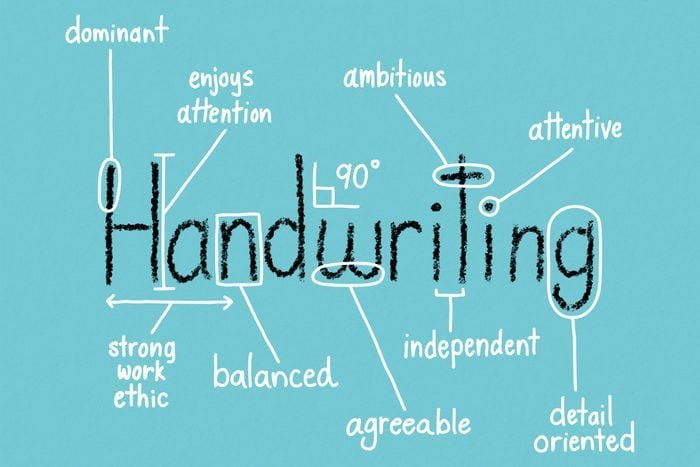
Handwriting is often seen as a simple tool for communication, but experts in graphology suggest it can reveal surprising insights about a person’s personality, emotional state, and even work habits. From the slant of letters to spacing and pressure, every stroke on the paper may carry meaning. For people in India’s Tier 1 and 2 cities, where high-paced lifestyles often lead to stress and multitasking, understanding handwriting can offer subtle clues about mental and emotional well-being.
Slant and Emotional Expression
The angle of your handwriting can indicate how you respond to emotions and social situations. Right-slanted handwriting often reflects openness, warmth, and a willingness to engage with others. Left-slanted writing may suggest introspection, caution, or a preference for solitude. Vertical handwriting usually points to balance and rational thinking. In fast-moving urban workplaces, these traits can influence how individuals interact with colleagues, handle pressure, and maintain work-life balance.
Size and Confidence
Letter size can reveal levels of confidence and self-perception. Large handwriting often reflects outgoing, expressive personalities, while small handwriting suggests focus, meticulousness, and attention to detail. For students, professionals, or entrepreneurs in India’s growing cities, these traits can affect performance, leadership potential, and the way one approaches goals and challenges. Understanding these patterns can help individuals recognize their natural strengths and limitations.
Spacing and Relationship Style
The space between words and letters can indicate social tendencies and comfort levels in personal relationships. Wide spacing may reflect independence and a need for personal space, whereas cramped writing could suggest a tendency toward social closeness or dependency. In urban Indian households and workplaces, these subtle cues can offer insight into how people manage interpersonal boundaries and teamwork.
Pressure and Energy Levels
The pressure applied while writing reveals energy levels and emotional intensity. Heavy pressure suggests determination, strong emotions, and resilience, while light pressure can indicate sensitivity, flexibility, and adaptability. Understanding these signs can help individuals manage stress better, particularly in Tier 1 and 2 cities where daily routines are often demanding and fast-paced.
Practical Takeaways
While handwriting analysis is not a substitute for professional psychological assessment, observing patterns in your writing can provide self-awareness and insight into personality traits. It can also serve as a tool for personal growth, improving communication, and understanding interactions with others. Paying attention to handwriting nuances may encourage mindfulness and reflection, contributing to overall emotional well-being.
Conclusion
Handwriting is more than just a method of recording thoughts—it can be a mirror of one’s mind and emotions. By understanding the subtle clues hidden in strokes, slants, and spacing, individuals in India’s urban environments can gain a deeper awareness of their personality, relationships, and habits. This small yet insightful practice offers a unique perspective on self-discovery and personal development.









Leave a comment