

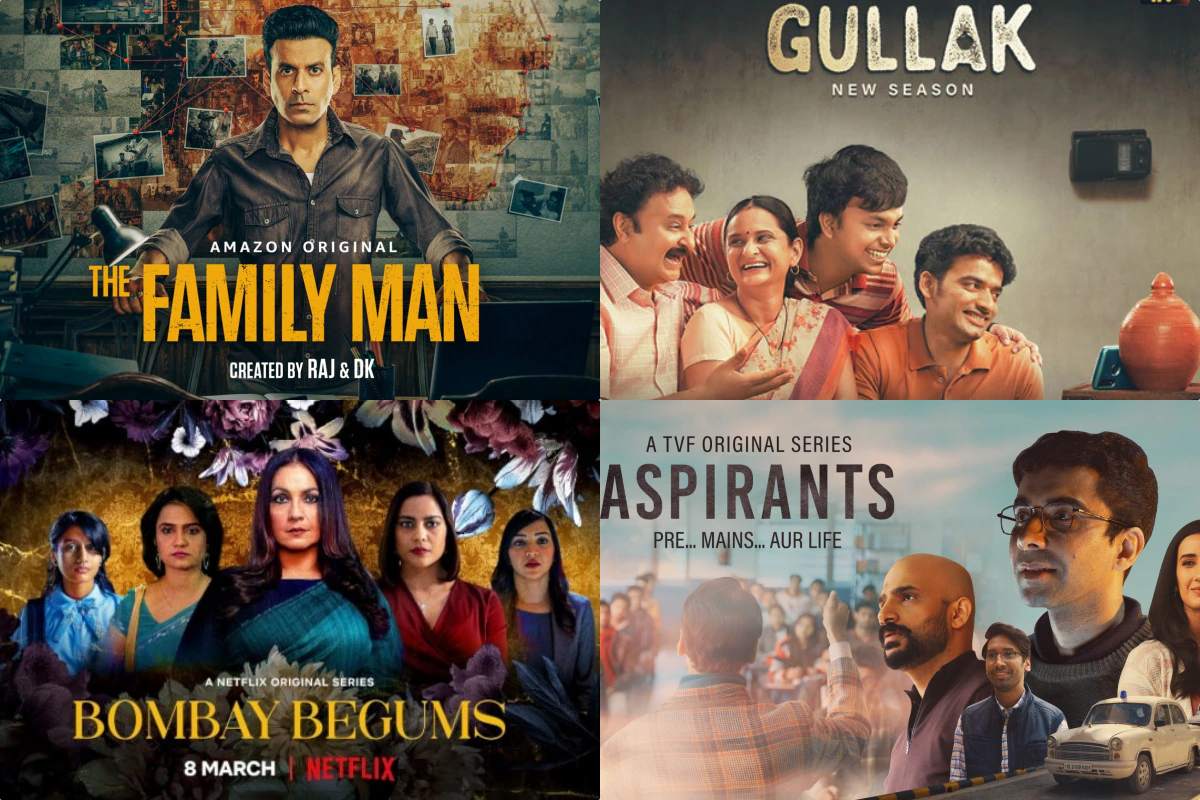
Summary: Indian entertainment is undergoing a format pivot. More filmmakers are turning films into multi season web series, while popular streaming shows are receiving theatrical releases. This shift is influenced by economics, audience behavior and strong demand from regional markets.
The format pivot in Indian entertainment reflects changing viewing habits and production economics. Indian films are increasingly being developed as web series to explore longer narratives, while successful streaming shows are being adapted for theatrical release when they develop strong fan followings. This movement bridges cinema and digital platforms and has significant implications for regional markets, talent pipelines and monetization strategies.
Subhead: Why Films Are Being Expanded Into Web Series
Filmmakers are exploring series formats for stories that need character depth and world building. The web series structure allows longer narrative arcs without the runtime constraints of cinema. Since streaming platforms offer multi episode formats, they attract creators who want to explore storylines that evolve across seasons. The economics also support this shift. A film relies heavily on opening weekend performance, while a web series can build momentum gradually through word of mouth and platform recommendations. For production houses, a successful series can generate multiple seasons, merchandising opportunities and cumulative viewer engagement. This model reduces dependence on box office volatility and creates long term library value.
Subhead: Why Web Shows Are Moving To Theatres
Some web shows develop strong viewer loyalty and recognizable characters over time. When audiences form emotional and cultural connections with characters, creators see potential for theatrical expansion. The theatrical format provides scale, spectacle and immersive viewing that smaller screens cannot always match. These releases often focus on event driven storytelling, intense drama or high budget action set pieces. Theatrical runs help producers reach audiences who prefer large screen experiences or who may not subscribe to streaming platforms. For platforms, theatre releases act as marketing channels that bring new viewers into their ecosystems.
Subhead: The Role Of Fandom And Social Buzz
Social media engagement is central to the format shift. Web series that generate discussion threads, meme formats and fan theories often build communities that are comparable to those around major film franchises. When such shows move to theatres, fans treat screenings as collective events. Similarly, films adapted into web series keep existing fan bases engaged across formats. Audience loyalty reduces acquisition costs for platforms and distributors because community engagement drives organic promotion. Streaming data also provides insight into what resonates, allowing creators to make informed decisions on pacing, theme and characterization before committing to theatrical versions.
Subhead: Economic Incentives Behind The Pivot
Production budgets for web series have increased significantly. Platforms invest in marquee actors, high quality production design and location shoots to differentiate their content. Once a series becomes popular, repurposing it into a theatrical format allows producers to monetize the same storyline across multiple channels. Conversely, films that underperform at the box office may find renewed life as extended web series where additional character and plot detail can be introduced. Studios are balancing investment risk by choosing formats based on the type of story and projected audience size. For creators, this flexibility means fewer constraints on narrative ambition.
Subhead: What This Means For Regional Markets
Regional markets are central to this shift. Tier 2 and Tier 3 cities have seen rising digital adoption, with audiences actively watching streaming content in local languages. When web series cross into theatres, they often release in regional dubbed versions or with region specific marketing campaigns. Similarly, when regional films are turned into web series, they expand the cultural relevance of local narratives. This dynamic strengthens regional storytelling ecosystems and increases job opportunities for writers, actors and technicians outside major film centers. Regional cultural nuances, humor and dialects can be developed more naturally in multi episode formats, which strengthens audience identification.
Subhead: Challenges With Format Conversions
Format conversions require careful narrative planning. A film stretched into a series without substance can feel slow or repetitive. A web series condensed into a theatrical film may lose nuance. Success depends on whether the story framework suits expansion or compression. Distribution coordination is also crucial. Theatrical releases need strong scheduling, marketing and screen availability, while streaming releases depend on platform algorithms and subscription models. Creative decisions must account for differences in audience attention patterns across formats.
Takeaways:
• Indian entertainment is moving between film and web formats based on narrative needs and audience engagement.
• Streaming platforms support character development and long term storytelling, while theatres offer scale and immersive viewing.
• Regional markets benefit from language adaptation, cultural storytelling and expanded production pipelines.
• Successful format pivots depend on narrative fit, audience demand and distribution planning.
FAQ:
Q1: Why are more films being turned into web series?
A1: Web series formats allow deeper character exploration and gradual audience building, reducing dependence on box office performance.
Q2: Why are some web shows now getting theatrical releases?
A2: Popular web shows with strong fan communities can attract theatre audiences seeking large screen experiences and shared viewing events.
Q3: How does this affect regional content?
A3: Regional markets benefit through language adaptation, higher local content demand and increased opportunities for regional talent.
Q4: Are all stories suitable for format shifting?
A4: No. The narrative structure must justify expansion or compression. Poorly planned conversions can weaken audience engagement.
(











Leave a comment