

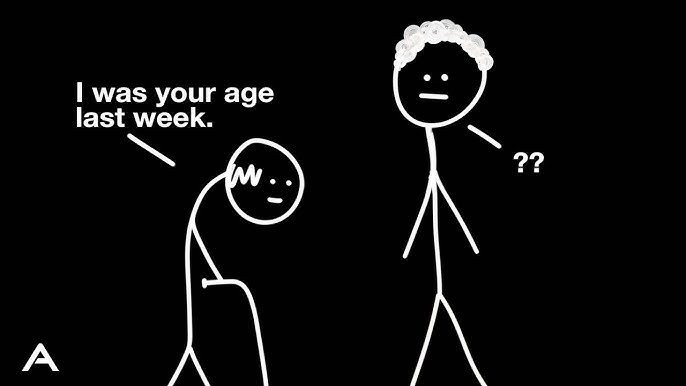
Many adults often remark that the years seem to fly by faster than they did in childhood. While a day may still be 24 hours long, our perception of time changes significantly as we grow older. For residents of India’s Tier 1 and Tier 2 cities, juggling work, family, and personal commitments can make life feel like it’s accelerating. But what explains this common experience, and why does time appear to speed up with age?
The Science of Perceived Time
Psychologists and neuroscientists suggest that the sense of time passing is closely linked to how our brains process new experiences. In childhood, nearly everything is new, and the brain pays close attention to details, forming numerous vivid memories. This heightened attention makes periods feel longer because the mind is actively recording and analyzing events.
As people age, routines and familiar experiences dominate daily life. When the brain encounters fewer novel events, it processes them more automatically, creating fewer distinct memories. This reduction in memorable markers makes stretches of time feel shorter in hindsight, giving the impression that time is speeding up.
The Role of Routine and Responsibilities
For adults in busy Indian cities, daily schedules often follow predictable patterns. Commuting, work meetings, and household chores form repetitive cycles. Unlike the first day of school or a childhood festival, routine activities don’t create the same mental “timestamps,” which can compress the perception of months and years.
Emotional and Psychological Factors
Stress and multitasking can also influence time perception. When people are focused on deadlines, bills, or other responsibilities, they often experience “time pressure,” where hours seem to pass unnoticed. On the other hand, engaging deeply in hobbies or new experiences can slow down perceived time, as the brain is more actively engaged.
Cultural Perspectives and Aging
In India, societal expectations can amplify this effect. Younger adults may focus heavily on career growth, education, or marriage, leaving less room for reflective experiences. Elderly individuals may notice the rapid passage of decades as they compare current life with childhood memories. This cultural layering adds context to the universal biological perception of time.
How to Make Time Feel Slower
Experts suggest that introducing novelty and mindfulness can help slow down perceived time. Traveling, learning new skills, or even taking regular breaks from routine activities engages the brain differently, making experiences more memorable. Practicing gratitude and being present in daily moments can also enhance awareness of time, helping it feel richer and fuller.
Conclusion
The sensation that time accelerates with age is a combination of neuroscience, lifestyle, and cultural factors. By understanding how our brain interprets time and making conscious efforts to engage in new and meaningful experiences, adults in India’s cities can better appreciate the present moment. Recognizing this can transform the perception of passing years, making life feel fuller rather than fleeting.











Leave a comment