

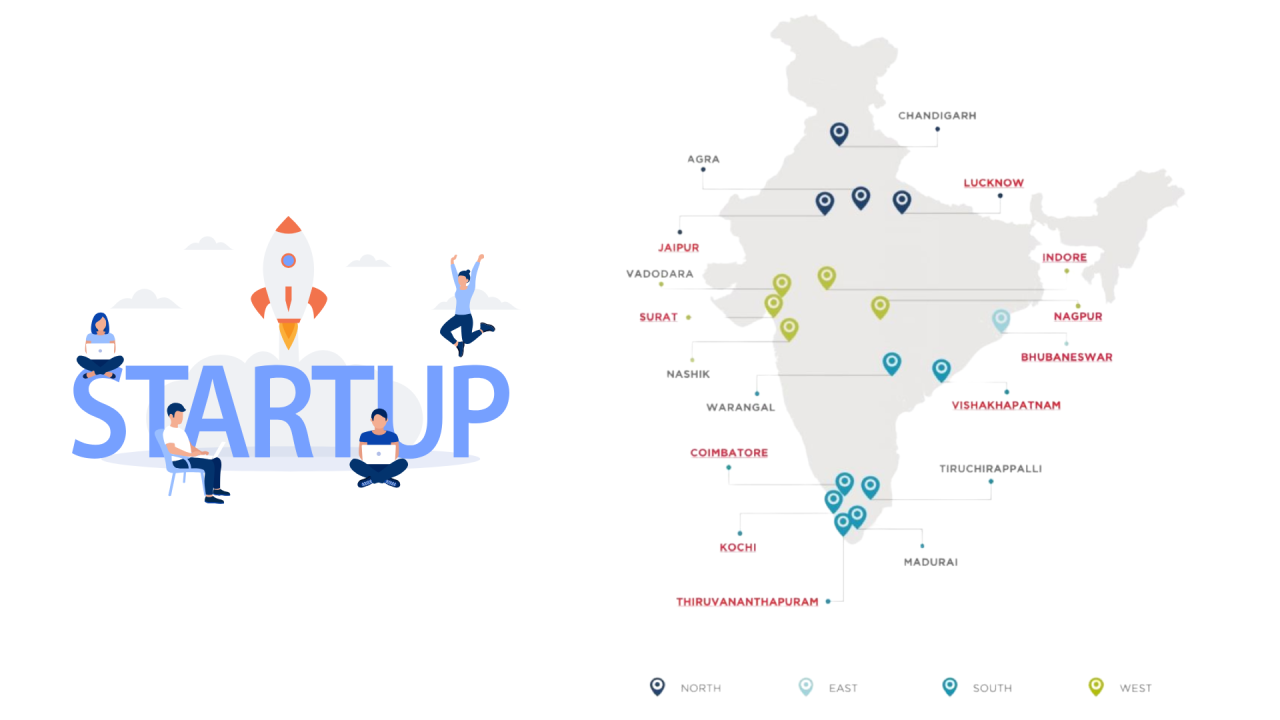
Young professionals from Tier 2 towns are increasingly returning from metros as startup activity accelerates across smaller cities. This shift reflects changing career priorities, rising regional opportunities and the growing appeal of building long term stability closer to home.
This topic is informational and current, so the tone follows an analytical style. For over a decade, Tier 2 talent moved to metros like Bengaluru, Pune, Mumbai and Delhi for better salaries, exposure and job security. In 2025 and 2026, however, multiple signals indicate a gradual reversal. Startup ecosystems in cities such as Indore, Coimbatore, Jaipur, Kochi, Nagpur and Surat are expanding, attracting young professionals who now see meaningful career paths without the high cost and lifestyle stress of metro living.
Why the talent drain narrative is shifting across regions
Tier 2 cities have seen significant infrastructure improvements in the past five years. Better connectivity, coworking hubs, startup incubators and local accelerators have emerged across these regions. As a result, early stage founders increasingly hire locally, creating a magnet for young professionals seeking growth without metro congestion. The rise of remote and hybrid work also reduces the need to remain physically in large cities. Many professionals now maintain metro clients while living in smaller towns. This creates a blended economic model that did not exist a few years ago.
Startup fever and entrepreneurial pull in smaller cities
Startup activity in Tier 2 towns is no longer isolated to micro sellers or online retailers. Categories such as logistics tech, food processing, pet care, creative agencies, D2C brands and healthcare services are expanding with strong consumer traction. These businesses prefer hiring talent that understands regional markets. For young returnees, this means managerial roles and strategic responsibilities earlier in their career compared to metros where competition is intense. Many professionals also return to co found ventures, often leveraging family networks, local knowledge and lower operational costs to build sustainable businesses.
High cost of metro living is fueling return decisions
Metros remain aspirational but expensive. Rent, travel, food delivery, co living spaces and lifestyle costs have risen sharply post pandemic. Salary growth, however, has not kept pace. Young professionals in metros frequently report lower real savings despite long working hours. In contrast, Tier 2 towns offer significantly lower living expenses, allowing higher savings and better quality of life. Professionals returning home often cite financial breathing room as a primary motivator. As startup roles in smaller cities offer competitive salaries relative to living costs, the opportunity becomes more attractive.
Work life priorities are evolving among young workers
Gen Z and young millennials increasingly prioritise mental health, work life balance and meaningful work environments. Metro jobs often come with long commutes, crowded living conditions and high stress. Tier 2 towns offer more space, familial support and slower paced environments without compromising digital connectivity. With wellness becoming a priority, returning home becomes a sensible lifestyle choice rather than a fallback option. Coworking spaces, cafes and creative pockets in smaller cities provide the urban feel without the intensity of big city life.
How companies and startups are reacting to the returnee wave
Businesses in Tier 2 markets recognise the value of professionals trained in metro ecosystems. They bring process discipline, exposure to scale and industry best practices. Startups actively recruit such returnees for roles in operations, marketing, data analysis and product management. Some companies also encourage flexible work setups, allowing employees to spend part of their working months in their hometowns. For founders, hiring local returnees reduces employee churn by offering personal stability and long term commitment, which is often harder to secure in metro based teams.
Can Tier 2 towns sustain this rise in returning talent
The ability of Tier 2 ecosystems to hold returning talent depends on steady job creation, capital access and infrastructure consistency. While many cities are rapidly advancing, challenges remain. Mid level leadership roles are limited, and certain industries like deep tech, fintech or advanced R&D are still metro dependent. However, for roles linked to operations, sales, creative work, digital services, logistics and consumer brands, Tier 2 cities offer long term viability. As more companies decentralise operations and build satellite teams, these cities will continue to strengthen their talent pools.
The long term implications for India’s workforce distribution
A gradual shift of skilled workers back to their hometowns can reduce metro congestion, diversify economic growth and strengthen regional innovation clusters. Local governments are increasingly investing in digital infrastructure, transport, industrial corridors and skill development centres to retain young professionals. If the trend sustains, India’s workforce distribution may become more balanced, with entrepreneurship emerging as a major driver of upward mobility in small cities.
Takeaways
Startup growth in Tier 2 towns is attracting young professionals back from metros.
Lower cost of living and lifestyle balance strongly influence return decisions.
Local startups value metro trained talent for early leadership roles.
Tier 2 ecosystems are maturing but require stronger support to sustain long term talent retention.
FAQs
Why are young professionals returning from metros to their hometowns
Because they find better financial stability, growing startup opportunities and an improved quality of life in Tier 2 cities.
Do Tier 2 cities offer competitive salaries compared to metros
Not always in absolute terms, but lower living costs mean professionals often save more and maintain better work life balance.
Are startups in small cities creating enough jobs
Yes, especially in sectors like D2C, logistics, creative services, healthcare and technology enabled businesses.
Will this reverse migration continue beyond 2026
If regional ecosystems strengthen and remote work remains viable, the return trend is likely to grow further.











Leave a comment