

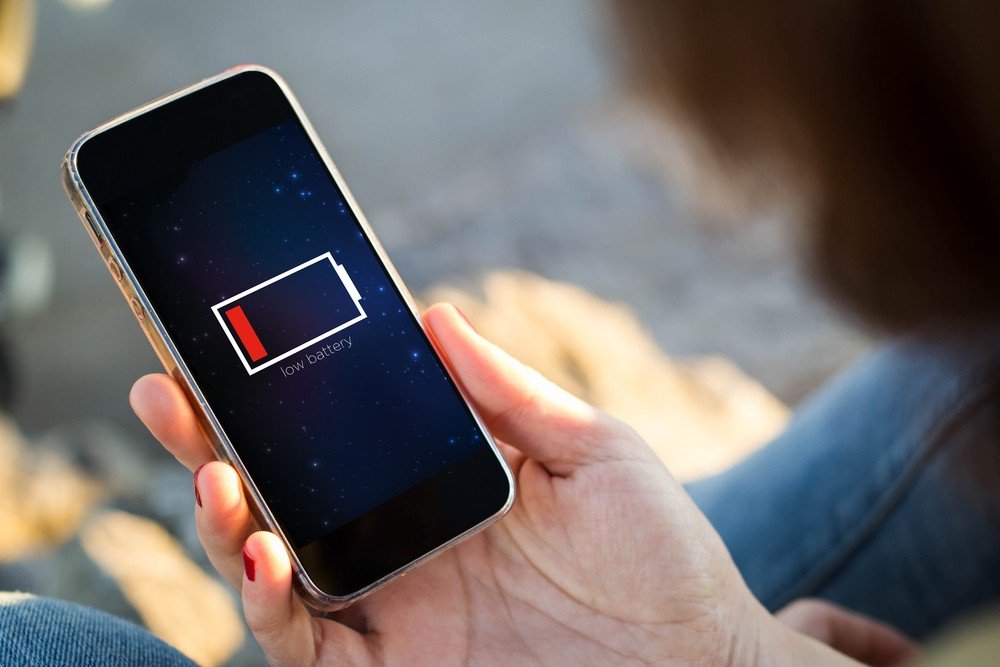
In today’s digital age, smartphones have become essential for work, communication, and entertainment. Yet, for many users in Tier-1 and Tier-2 cities across India, one persistent frustration remains: fast-draining batteries. Understanding why phone batteries lose charge quickly is not just a matter of convenience—it affects productivity and daily life. The science behind battery consumption involves hardware, software, and user behavior, each playing a crucial role.
1. The Role of Hardware
Smartphone batteries rely on lithium-ion technology, which is efficient but sensitive. Factors such as screen size, display type, processor speed, and background sensors significantly influence energy consumption. High-resolution displays and powerful processors offer better performance but also demand more energy, often causing rapid battery drain during intensive tasks like gaming or video streaming.
2. Software and Background Activity
Modern smartphones run multiple apps simultaneously, many of which operate in the background. Social media apps, navigation tools, and messaging platforms continuously update data, sync notifications, and track location. This background activity can quietly consume a significant portion of the battery, even when the phone appears idle.
3. Connectivity Demands
Wi-Fi, mobile data, Bluetooth, and GPS contribute heavily to battery consumption. Weak signals or constant switching between networks force the phone to work harder to maintain connectivity, accelerating battery drain. In cities with fluctuating network coverage, this effect is particularly noticeable.
4. Operating System and App Efficiency
Updates to operating systems and apps often improve features but can inadvertently increase power consumption. Apps not optimized for efficiency may run unnecessary background processes or use excessive resources, further impacting battery life. Regularly checking for updates and optimizing app settings can help mitigate this effect.
5. Environmental and Usage Factors
Extreme temperatures affect lithium-ion batteries, with high heat or cold reducing efficiency and longevity. Similarly, habits like frequent charging, overcharging, or using the phone while charging can degrade battery health over time. For users in urban India, heavy daytime usage combined with high ambient temperatures can contribute to faster depletion.
6. Tips to Extend Battery Life
Managing battery usage involves both hardware and software strategies. Reducing screen brightness, limiting background app refresh, using battery saver modes, and minimizing GPS and connectivity usage can make a noticeable difference. Additionally, investing in phones with larger battery capacities or using optimized charging routines can help maintain longer battery life.
Conclusion
Fast battery drain is a combination of technology, environment, and user habits. Awareness of these factors allows smartphone users to make informed choices about device usage, app management, and charging practices. For Indian consumers in Tier-1 and Tier-2 cities, understanding the science behind battery consumption is key to staying connected without the frustration of sudden power loss.












Leave a comment