

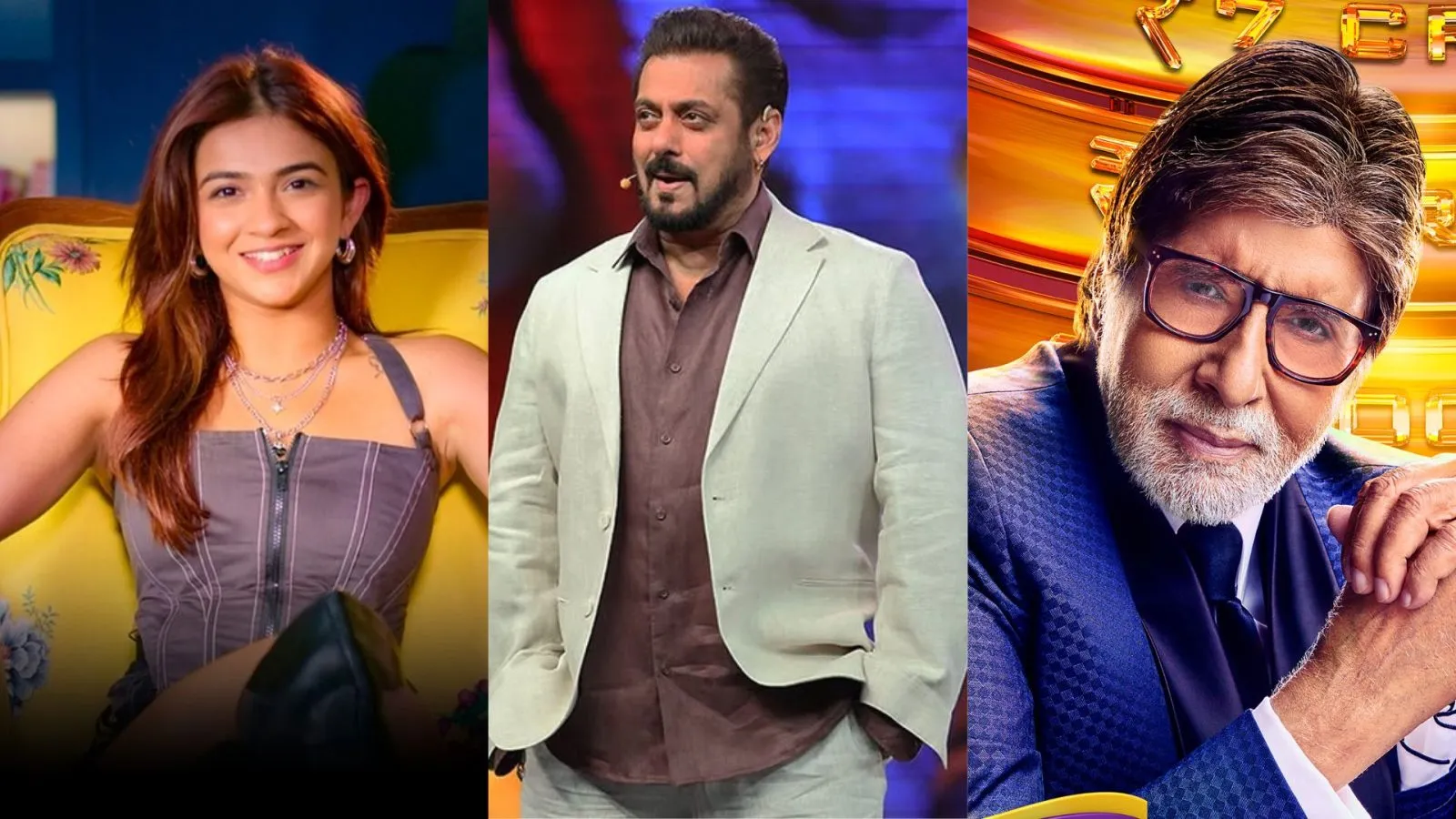
The crossover between reality TV and influencers is reshaping digital entertainment, with platforms increasingly using creators in new formats that appeal strongly to Tier 2 audiences. This shift is redefining how shows are conceptualised, cast and marketed, creating unprecedented opportunities for emerging creators outside metros.
The rapid rise of creator led reality shows is driven by changing viewer behaviour, platform experimentation and the growing influence of social media personalities from smaller cities. These new formats blend spontaneity, authenticity and audience engagement in a way traditional TV never could.
Why Platforms Are Turning To Influencers For Reality Content
The reality TV and influencer crossover is happening because platforms want audience attention that feels organic. Influencers bring built in communities, strong engagement and on screen comfort that reduces production risk. For platforms, this is faster and cheaper than building new talent from scratch.
Influencers also understand digital language and audience psychology. They know how to create drama, humour and relatability without relying on scripted behaviour. Their ability to self direct content, interact with audiences and sustain conversations makes them ideal for unscripted formats.
Tier 2 influencers are playing a growing role here. They represent the culture, humour and lived experiences of non metro India, giving platforms access to new markets that traditional TV has struggled to understand. Their presence brings authenticity that metro based influencers sometimes lack.
New Formats Emerging From The Reality TV Creator Crossover
Platforms are experimenting aggressively with new formats that merge reality TV structure with influencer content style. These experiments include short form challenges, creator bootcamps, social relationship shows, local talent hunts and hybrid vlog reality episodes. Unlike traditional shows, these formats are designed for mobile consumption, fast pacing and constant viewer interaction.
One fast growing format is the creator house concept, where multiple influencers from different cities live together and participate in tasks. These houses generate a continuous stream of content, allowing platforms to capture engagement across episodes, reels and livestreams.
Another format gaining traction is regional reality competitions featuring Tier 2 creators. Platforms are hosting language specific or region specific shows where creators compete in comedy, lifestyle, fashion or local storytelling. This has opened the door for creators from Indore, Jaipur, Coimbatore, Guwahati and Nagpur to find national visibility.
There is also a rise in scripted reality hybrids. These shows maintain unscripted interactions but follow thematic arcs, making the content both bingeable and relatable. This hybrid approach helps platforms maintain narrative consistency while preserving influencer style authenticity.
Why Tier 2 Creators Are Becoming Key To These Formats
Tier 2 creators bring something increasingly rare in metro saturated entertainment: cultural specificity and grounded behaviour. Their content often reflects real life situations and humour patterns that resonate with millions of viewers outside metros. Their relatability is a major asset in reality TV formats.
They also have strong regional fanbases. Unlike metro influencers who rely on national trends, Tier 2 creators have deep local engagement. This gives platforms access to audiences that often remain underserved by mainstream shows.
In reality formats, Tier 2 creators excel because they are used to producing content with minimal resources, handling their own scripting, editing and direction. This makes them more adaptable on dynamic sets where spontaneity is valued over polish.
Their participation also shifts storytelling toward everyday Indian realities instead of aspirational metro lifestyles. For streaming platforms looking to scale outside major cities, this authenticity is commercially crucial.
How Platforms Market Reality Shows With Influencer Integration
Marketing strategies for these crossover shows are drastically different from traditional reality TV promotions. Platforms rely heavily on influencer networks, leveraging creator profiles, collaborative reels, behind the scenes content and regional hashtags to drive engagement.
Influencers cast in the show serve as the primary marketing engine, promoting episodes through personal stories, interactive Q&As and challenge based content. This decentralised marketing approach ensures that Tier 2 audiences receive communication in formats and dialects they already consume daily.
Regional digital campaigns are also becoming central. Platforms are pushing promotional content based on linguistic clusters, allowing smaller city audiences to feel personally included in the show’s ecosystem. This strategy boosts loyalty and repeat viewership.
What This Trend Means For The Future Of Indian Entertainment
The reality TV and influencer crossover is not a temporary experiment. It signals a permanent shift toward decentralised entertainment where Tier 2 and Tier 3 creators play a central role. With rising smartphone penetration, low data costs and increased regional content demand, platforms will continue investing in influencer driven formats.
The future will see more regional creator collaborations, city specific reality formats, micro genre competitions and hybrid shows that combine storytelling with interactivity. As audiences gravitate toward relatable entertainment, creators from smaller cities will become essential to shaping India’s next wave of reality content.
Takeaways
- Influencers are reshaping reality TV formats with authenticity and built in audience engagement.
- Tier 2 creators are becoming central to new show concepts due to cultural relatability and strong local fanbases.
- Platforms are experimenting with creator houses, regional competitions and hybrid reality formats designed for mobile audiences.
- Decentralised marketing driven by influencer networks is replacing traditional promotional strategies.
FAQs
Q1. Why are platforms merging influencers with reality TV formats?
Because influencers bring ready made audiences, natural on screen presence and relatable storytelling styles that improve engagement.
Q2. What makes Tier 2 creators important in these crossover shows?
Their regional authenticity, strong local following and culturally grounded content resonate with non metro viewers, making them ideal for broader audience reach.
Q3. What types of new formats are emerging from this trend?
Creator houses, regional competitions, hybrid scripted reality shows and short format challenge based series are gaining traction across platforms.
Q4. Will influencer driven reality formats continue to grow?
Yes, as audiences demand relatable, fast paced digital entertainment, these formats will expand further, especially in Tier 2 and Tier 3 markets.







Leave a comment