

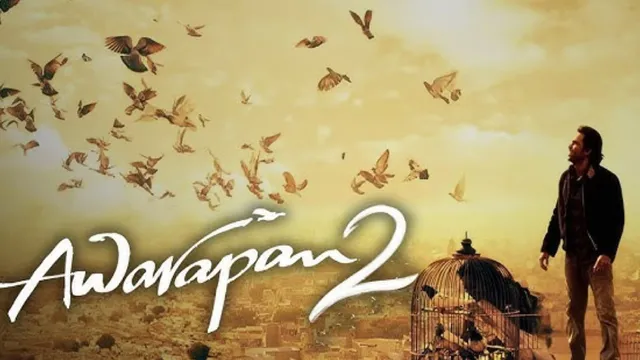
The announcement of Awarapan 2 has sparked conversations around Bollywood’s growing reliance on nostalgia-driven storytelling. As studios revisit past hits, the trend reflects changing audience behavior, safer investments, and the evolving economics of Indian cinema in 2026.
Awarapan 2 Announcement and the Return of Nostalgia
The Awarapan 2 announcement has quickly become a talking point in Bollywood, highlighting how nostalgia is shaping film decisions in 2026. Originally released in 2007, Awarapan gained a cult following over time despite a modest box office run. Its sequel signals how filmmakers are now tapping into emotional recall to attract audiences.
This is not an isolated move. In recent years, Bollywood has increasingly leaned on sequels, remakes, and franchise extensions. The logic is straightforward. Familiar titles come with built-in audience recognition, reducing the risk associated with launching entirely new concepts. With theatrical performance becoming less predictable, nostalgia offers a sense of stability.
Why Nostalgia Works in Today’s Film Market
Nostalgia works because it connects with audiences on a personal level. Films like Awarapan are remembered not just for their story but for their music, mood, and emotional resonance. Revisiting such titles allows filmmakers to tap into memories that already exist in the audience’s mind.
Another factor is the changing consumption pattern. Viewers who watched the original film as teenagers are now working professionals with spending power. They are more likely to revisit stories they once connected with. This creates a ready-made market segment.
Streaming platforms have also played a role. Older films are constantly rediscovered through OTT, keeping them relevant even years later. This digital recall strengthens the case for sequels like Awarapan 2.
Bollywood’s Shift Toward Safer Investments
The Awarapan 2 announcement also reflects a broader industry shift toward safer financial decisions. Big-budget failures in recent years have made producers cautious. Investing in a known brand reduces uncertainty compared to launching a completely new story.
Franchises and sequels often come with pre-established marketing hooks. The audience already knows the characters, tone, and genre. This reduces promotional costs and increases initial traction.
At the same time, the theatrical market is facing competition from OTT platforms. To pull audiences into cinemas, filmmakers are relying on familiarity and emotional connection. Nostalgia becomes a strategic tool rather than just a creative choice.
Are Fresh Stories Being Sidelined
While nostalgia-driven films offer financial security, they also raise concerns about creative stagnation. Critics argue that over-reliance on sequels may limit originality in storytelling.
However, the reality is more nuanced. Nostalgia projects often coexist with experimental cinema. The revenue generated from safer films can support riskier ventures. In that sense, films like Awarapan 2 may indirectly enable innovation elsewhere.
The key challenge for filmmakers is balance. Simply reviving an old title is not enough. Audiences today expect updated storytelling, stronger narratives, and contemporary relevance. A sequel must justify its existence beyond nostalgia.
What Awarapan 2 Needs to Succeed
For Awarapan 2 to work, it must go beyond emotional recall. The original film was appreciated for its intense storytelling and music. The sequel will need to retain that essence while adapting to modern sensibilities.
Casting, music, and screenplay will play a crucial role. The audience expects continuity but also evolution. If the film relies only on past success without offering something new, it risks falling flat.
The success of nostalgia films in 2026 depends on execution. Well-made sequels can revive franchises, while poorly executed ones can damage their legacy.
The Bigger Picture for Bollywood in 2026
The Awarapan 2 announcement is part of a larger trend where Bollywood is recalibrating its approach. With rising production costs and changing audience habits, studios are prioritizing calculated risks.
Nostalgia is not just about looking back. It is about using familiarity to navigate an uncertain market. At the same time, the industry is experimenting with content formats, release strategies, and storytelling styles.
This dual approach may define Bollywood’s future. Films rooted in nostalgia will coexist with new-age narratives, creating a diverse cinematic landscape.
Takeaways
• Awarapan 2 highlights Bollywood’s growing focus on nostalgia-driven content
• Familiar titles reduce financial risk and attract built-in audiences
• OTT platforms are helping older films stay relevant, boosting sequel potential
• Success depends on balancing nostalgia with fresh storytelling
FAQs
Q1: Why is Bollywood focusing on nostalgic sequels in 2026
Bollywood is prioritizing safer investments. Nostalgic sequels come with existing audience recall, reducing financial risk and improving market predictability.
Q2: Was Awarapan a successful film originally
Awarapan did not perform strongly at the box office but gained a cult following over time due to its music and emotional storytelling.
Q3: Do nostalgia films guarantee success
No. While nostalgia attracts attention, the film still needs strong storytelling, direction, and execution to succeed.
Q4: Is this trend affecting original storytelling in Bollywood
There is concern about reduced originality, but nostalgia projects often coexist with experimental films, helping balance the industry.











Leave a comment