

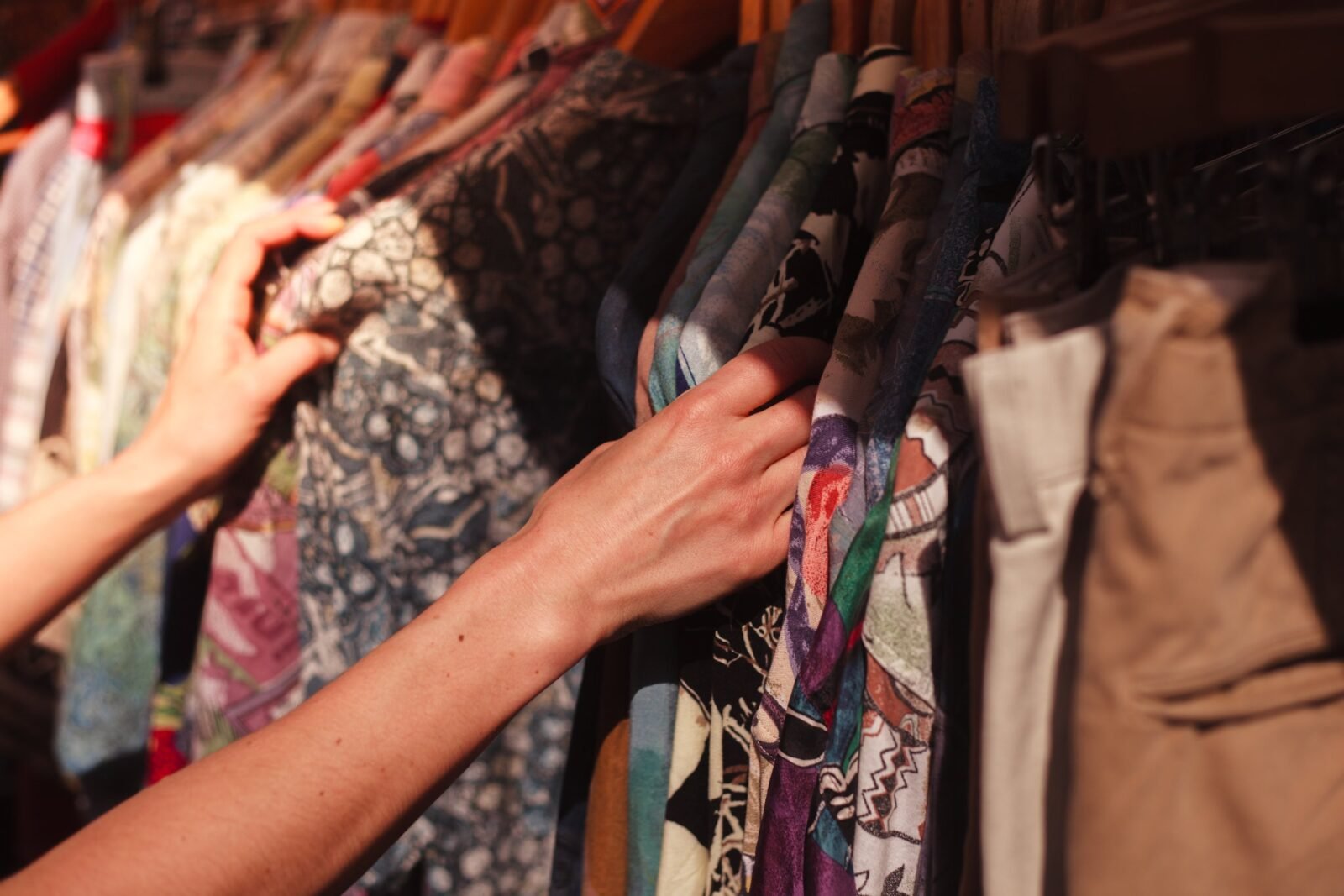
Second-hand fashion and thrift shopping are becoming increasingly popular among college students in India as rising living costs, social media trends, and sustainability awareness reshape how young consumers approach fashion. What was once considered a budget-only option is now turning into a mainstream lifestyle and style choice.
Second-hand fashion among college students is no longer viewed as a temporary money-saving habit. Across Indian campuses, students are actively buying thrifted clothing, vintage fashion, and pre-owned accessories through Instagram stores, flea markets, online resale apps, and local thrift communities.
The trend reflects a larger shift in youth culture where affordability, individuality, and sustainability are becoming more important than fast-fashion consumption. Students today are looking for clothing that feels unique, fits their budgets, and aligns with growing conversations around waste and overconsumption in the fashion industry.
As digital platforms continue expanding resale culture, thrift shopping is slowly moving from niche communities into mainstream student fashion across both metro and smaller cities.
Rising Living Costs Are Influencing Student Fashion Choices
One of the biggest reasons behind the popularity of thrift shopping is affordability. College students often manage limited budgets while still wanting to maintain a strong fashion presence both offline and on social media.
Branded clothing, especially international fast-fashion labels, has become expensive for many students. Thrift stores and resale platforms offer access to trendy outfits at significantly lower prices.
For students living away from home in cities with high rental and education costs, second-hand shopping helps reduce unnecessary spending without sacrificing personal style.
Many students also prefer buying multiple thrifted pieces instead of spending the same amount on one new branded item. This allows them to experiment with different looks and fashion trends more freely.
The economic advantage becomes even more important during college festivals, internships, travel plans, and social events where students often feel pressure to regularly update their wardrobes.
Social Media Has Made Thrift Fashion Trendy
Instagram and Pinterest have played a major role in changing public perception around second-hand fashion. Thrift shopping is now closely linked with vintage aesthetics, streetwear culture, Y2K fashion, oversized clothing trends, and sustainable living content.
Many thrift stores in India operate entirely through Instagram pages where products are displayed through styled photoshoots, reels, and live sales. Students regularly discover thrift pages through influencer collaborations and fashion creators.
Social media has also helped remove the stigma that once existed around wearing pre-owned clothing. Instead of being seen as outdated or financially restrictive, thrift fashion is now often associated with creativity and individuality.
College students are especially attracted to one-of-a-kind fashion pieces that are difficult to find in regular retail stores. Vintage jackets, oversized shirts, denim wear, and retro accessories have become particularly popular among Gen Z consumers.
This digital visibility has transformed thrift shopping into both a fashion statement and an online trend.
Sustainability Awareness Is Changing Consumer Habits
The rise of sustainable fashion awareness has further boosted interest in second-hand clothing. Young consumers today are more exposed to discussions around textile waste, overproduction, and environmental damage caused by fast-fashion industries.
Fashion industry reports have repeatedly highlighted how excessive clothing production contributes to water consumption, landfill waste, and pollution. As a result, many students now view thrift shopping as an environmentally responsible choice.
Buying pre-owned clothing extends the life cycle of garments and reduces demand for new production. While affordability remains the primary reason for many students, sustainability has become an added motivation.
College campuses are also seeing more clothing exchange events, thrift exhibitions, and sustainability clubs promoting conscious consumer habits.
Even fashion influencers are increasingly encouraging followers to repeat outfits, buy vintage pieces, and reduce impulse shopping habits.
This shift shows that fashion choices among younger consumers are becoming more value-driven than before.
Thrift Shopping Is Expanding Beyond Metro Cities
Earlier, thrift culture in India was mostly concentrated in major metro cities like Delhi, Mumbai, and Bengaluru. However, digital resale platforms and social media have now expanded the trend into Tier-2 cities as well.
Students in cities like Nagpur, Pune, Jaipur, Indore, and Chandigarh are increasingly participating in online thrift communities. Delivery services and digital payment systems have made it easier for small thrift businesses to reach customers nationwide.
Local flea markets and pop-up thrift events are also becoming more visible in college-focused areas. Some students have even started their own resale businesses by curating thrift collections online.
The low investment required for Instagram-based thrift stores has encouraged many young entrepreneurs to enter the market.
This growing ecosystem is creating new small-scale business opportunities while simultaneously influencing youth shopping habits across India.
Challenges Still Exist in India’s Thrift Fashion Market
Despite its rapid growth, thrift shopping still faces certain limitations. Quality inconsistency remains one of the biggest concerns for buyers. Since products are pre-owned, customers cannot always predict fabric condition, fitting, or durability.
Hygiene concerns also continue to affect some consumers, especially first-time buyers unfamiliar with resale fashion culture.
Another challenge is the lack of standard pricing. Some curated thrift stores charge premium prices for vintage or imported items, making them less affordable than expected.
There are also concerns about sellers misrepresenting product quality through edited social media photos.
Still, the market continues growing because students increasingly value affordability, uniqueness, and sustainability over brand-new ownership.
What this really means is that thrift shopping in India is evolving from a temporary fashion trend into a broader cultural and economic shift among younger consumers.
Key Takeaways
- College students are choosing thrift shopping because of affordability and fashion variety.
- Social media platforms have made second-hand fashion more mainstream and trend-driven.
- Sustainability awareness is encouraging young consumers to reduce fast-fashion purchases.
- Thrift shopping culture is expanding beyond metro cities into Tier-2 student markets.
FAQ
Why are college students buying second-hand clothes?
Affordable pricing, unique fashion choices, and sustainability awareness are the main reasons behind the growing popularity of thrift shopping.
Is thrift shopping popular only in metro cities?
No. The trend is now expanding rapidly in Tier-2 cities through Instagram stores, resale apps, and local thrift communities.
How does thrift shopping support sustainability?
Buying second-hand clothes extends garment usage and reduces demand for new clothing production, which helps reduce fashion waste.
What are the biggest challenges in thrift shopping?
Quality inconsistency, sizing issues, hygiene concerns, and misleading product photos are some common challenges faced by buyers.











Leave a comment