

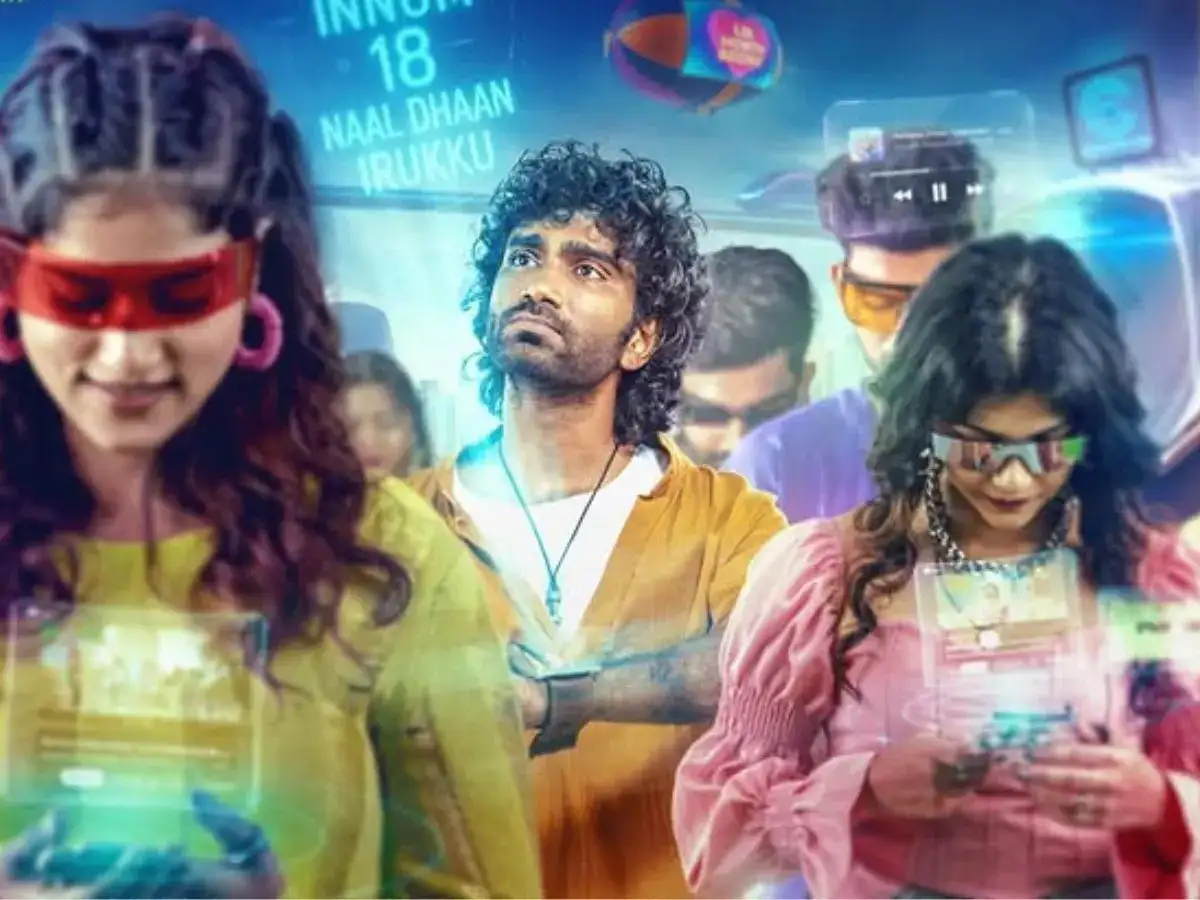
The OTT deal for Love Insurance Kompany highlights a growing shift in regional cinema economics. Digital rights are becoming a major revenue driver, changing how films are financed, marketed, and consumed across India, especially beyond metro audiences.
Love Insurance Kompany OTT Deal and Regional Cinema Shift
The Love Insurance Kompany OTT deal underlines how digital rights are reshaping regional cinema in India. The film, associated with Tamil cinema, has reportedly secured a streaming platform partnership ahead of or alongside its theatrical release. This reflects a larger industry trend where OTT platforms are no longer secondary buyers but central players in film economics.
Regional films, which once depended heavily on box office collections within specific states, are now gaining nationwide and even global exposure through streaming services. This shift has changed how producers plan budgets, recover costs, and approach distribution. The Love Insurance Kompany OTT deal is a clear example of this transition.
Why OTT Rights Are Crucial for Regional Films
OTT rights have become a significant revenue stream, often covering a large portion of a film’s production cost even before release. For mid-budget regional films, this reduces financial pressure and allows creators to take calculated risks.
In the case of films like Love Insurance Kompany, digital platforms offer access to audiences beyond traditional language barriers. Subtitles and dubbing have expanded reach, making Tamil, Telugu, and Malayalam films accessible to viewers across India.
This shift is particularly important for Tier 2 and Tier 3 audiences. With increasing smartphone penetration and affordable data, viewers in smaller cities are consuming regional and cross-regional content more than ever. OTT platforms have effectively democratized content access.
The Business Model Behind Digital Rights Deals
The Love Insurance Kompany OTT deal reflects how film financing models are evolving. Earlier, theatrical collections determined a film’s success. Now, revenue comes from multiple streams including digital rights, satellite rights, and music rights.
OTT platforms compete to acquire exclusive streaming rights, especially for films with strong casting or promising storytelling. This competition drives up the value of digital deals, benefiting producers.
For regional cinema, this model provides stability. Even if theatrical performance is moderate, OTT deals can ensure overall profitability. This has encouraged more producers to invest in regional storytelling without relying solely on box office uncertainty.
Impact on Content and Storytelling Choices
The rise of OTT platforms is also influencing the kind of stories being told. Films are now being designed with both theatrical and digital audiences in mind. This has led to more experimental narratives, diverse genres, and stronger character-driven scripts.
For a film like Love Insurance Kompany, the OTT association increases expectations around content quality. Streaming audiences tend to be more diverse and critical, pushing filmmakers to focus on storytelling depth rather than just commercial elements.
At the same time, the pressure to appeal to a wider audience can shape creative decisions. Filmmakers must balance local cultural authenticity with broader relatability.
Regional Cinema Going National Through OTT
One of the most significant outcomes of deals like Love Insurance Kompany is the national visibility of regional films. Titles that once had limited theatrical reach are now trending across India on streaming platforms.
This has also changed audience behavior. Viewers are more open to watching content in different languages, reducing the dominance of Hindi cinema in certain segments.
For smaller cities, this means greater exposure to diverse storytelling. Regional cinema is no longer confined to regional audiences. It is becoming a key part of India’s overall entertainment landscape.
Challenges and Future Outlook for OTT Deals
Despite the growth, the OTT-driven model comes with challenges. Platforms are becoming more selective, focusing on content that guarantees engagement. Not every film secures high-value deals.
There is also increasing competition among filmmakers to attract OTT buyers. This raises the bar for quality and innovation.
Looking ahead, digital rights will continue to play a central role in regional cinema. The success of deals like Love Insurance Kompany indicates that streaming platforms will remain key partners in film production and distribution.
The industry is moving toward a hybrid model where theatrical and digital releases complement each other. This approach offers flexibility and reduces risk, especially for regional filmmakers.
Takeaways
• Love Insurance Kompany OTT deal highlights the growing importance of digital rights in regional cinema
• OTT platforms provide financial stability and wider audience reach for filmmakers
• Regional films are gaining national visibility through streaming services
• The future of cinema in India will likely follow a hybrid theatrical and OTT model
FAQs
Q1: What is the significance of the Love Insurance Kompany OTT deal
It shows how digital platforms are becoming primary revenue sources for regional films, reducing reliance on box office performance.
Q2: Why are OTT rights important for regional cinema
They help recover production costs, expand audience reach, and ensure financial stability for filmmakers.
Q3: Are OTT platforms replacing theatres in India
No. The industry is moving toward a hybrid model where both theatrical releases and OTT platforms coexist.
Q4: How does OTT impact storytelling in regional films
It encourages more diverse and experimental content while pushing filmmakers to maintain higher quality standards.









Leave a comment