

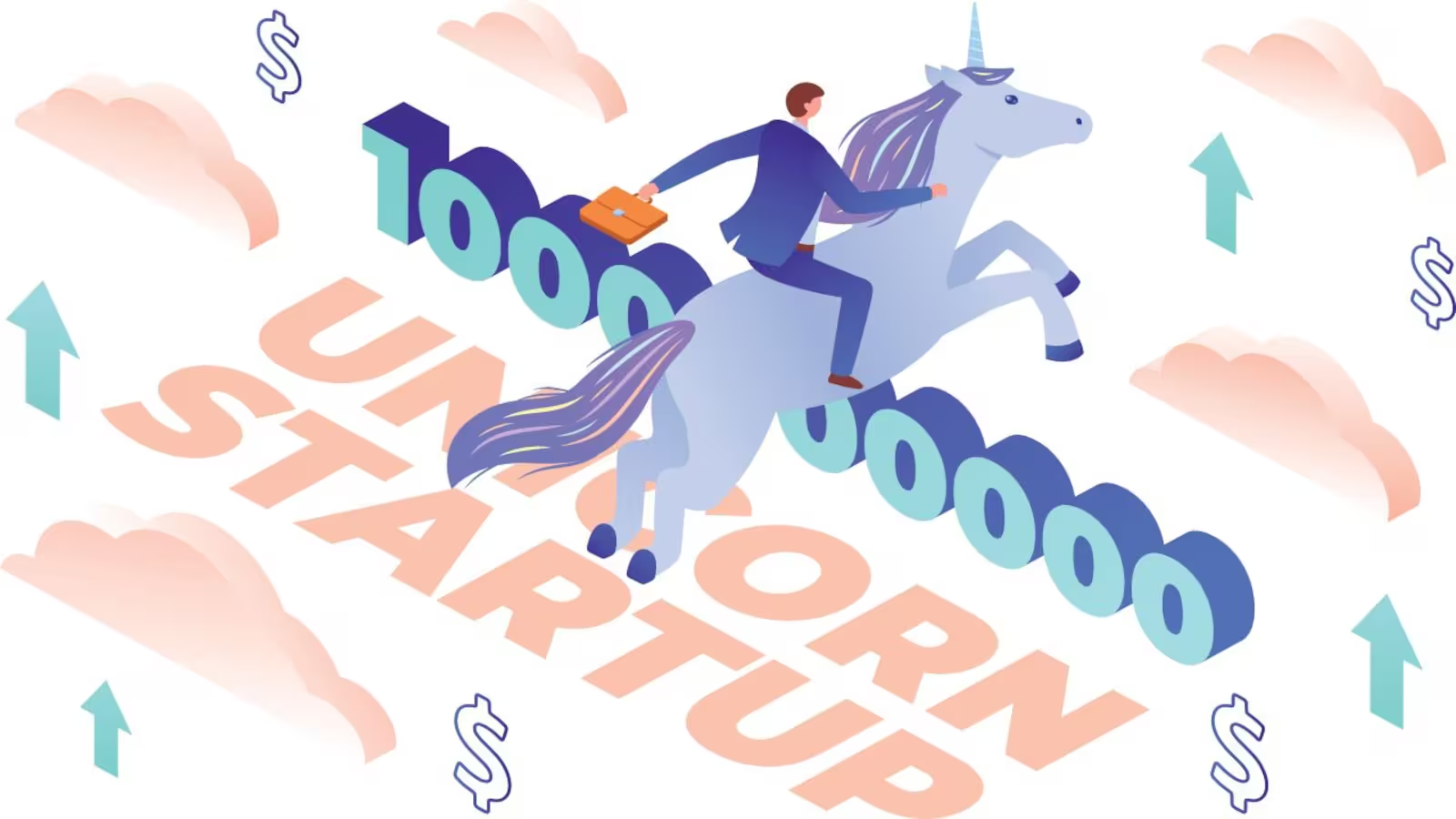
As India’s startup ecosystem continues to evolve, the emergence of unicorns in 2025 highlights a significant shift in the geographic distribution of innovation. While the traditional startup hubs like Bengaluru, Delhi, and Mumbai continue to thrive, an increasing number of unicorns are being born in Tier-2 cities. This shift is reshaping the narrative around startup democratisation and challenging the notion that the country’s tech ecosystem is confined to just a few metropolitan areas.
The Rise of Unicorns Beyond Tier-1 Cities
Historically, India’s unicorns have been concentrated in Tier-1 cities, particularly in Bengaluru, which has earned the title of the country’s tech capital. However, as of 2025, Tier-2 cities such as Jaipur, Indore, and Coimbatore are gaining significant traction in the startup world. These cities are seeing an influx of venture capital, a growing pool of talent, and an emerging entrepreneurial culture that was previously dominated by metros.
This geographic diversification is a direct result of multiple factors, including government initiatives, infrastructure improvements, and an increasing number of tech talent migrating to smaller cities. As these cities become more connected, both digitally and physically, they are providing fertile ground for startups to grow and scale, challenging the dominance of Tier-1 cities.
The Role of Infrastructure in Startup Growth
One of the key drivers of startup democratisation in Tier-2 cities is the improvement in infrastructure. Over the past few years, India’s smaller cities have seen significant investments in digital and physical infrastructure, making it easier for entrepreneurs to start and scale their businesses. With enhanced connectivity, better roads, and access to reliable internet, these cities are becoming more appealing for startups.
Additionally, the rise of co-working spaces, incubators, and accelerators in these cities is making it easier for entrepreneurs to get their businesses off the ground. The availability of resources such as affordable office spaces, mentorship programs, and funding has encouraged more entrepreneurs in Tier-2 cities to venture into the startup ecosystem, contributing to the rise of unicorns outside the traditional metro areas.
Talent Migration: The Shift from Metros to Smaller Cities
Another crucial factor in the growth of unicorns in Tier-2 cities is the migration of tech talent from major metros to smaller towns. While metros have historically been the primary destinations for skilled workers in fields like AI, software development, and fintech, smaller cities are now seeing an influx of highly skilled professionals who are looking for work-life balance, lower living costs, and new opportunities.
In 2025, many unicorns are being built by founders who are either native to these Tier-2 cities or who have relocated from larger cities to tap into the burgeoning startup ecosystem. This talent migration is not only filling the gap in the workforce but is also fostering a culture of innovation in regions that were previously overlooked.
Government Initiatives Fueling Startup Growth in Tier-2 Cities
Government policies and initiatives play a vital role in driving the democratisation of startups in India. Various programs such as the Startup India initiative, Atal Innovation Mission (AIM), and state-level schemes are making it easier for entrepreneurs in Tier-2 cities to access capital, mentorship, and support.
For instance, the Indian government has introduced schemes that offer tax benefits, funding support, and regulatory ease to startups in non-metro regions. This has encouraged local governments in Tier-2 cities to foster entrepreneurship, creating a favorable environment for startups to thrive. These initiatives are crucial in bridging the gap between Tier-1 and Tier-2 cities, allowing smaller cities to catch up with the metros in terms of innovation and business growth.
Impact of Regional Markets on Startup Growth
The emergence of unicorns in Tier-2 cities also reflects a broader shift towards regional markets. Startups originating in these cities often cater to local or regional needs, offering products and services that are tailored to smaller, more specific demographics. For instance, agritech startups in cities like Indore are leveraging local knowledge to solve problems in the agricultural sector, while e-commerce startups in cities like Jaipur are focusing on regional consumer behavior.
This focus on regional markets is helping startups scale rapidly, as they tap into markets that are often underserved by national players. The ability to cater to specific consumer needs and regional preferences gives startups a competitive edge, enabling them to grow faster and potentially reach unicorn status sooner.
The Future of Unicorns in India: Tier-1 vs Tier-2
As India moves into 2025, the trend of unicorns emerging from Tier-2 cities is expected to accelerate. While Bengaluru, Mumbai, and Delhi will continue to be dominant players in the startup ecosystem, Tier-2 cities will play an increasingly important role in India’s economic transformation. With the democratization of startup culture, smaller cities are poised to contribute significantly to the country’s GDP and job creation.
For entrepreneurs and investors alike, this presents an exciting opportunity to explore markets that were previously under the radar. The rise of unicorns from smaller cities signifies the broadening of India’s startup ecosystem, allowing entrepreneurs from diverse backgrounds to make their mark on the global stage.
Takeaways
- Tier-2 cities are emerging as key players in India’s startup ecosystem, challenging the dominance of metro cities.
- Improved infrastructure, government support, and talent migration are driving startup growth in smaller cities.
- Startups in Tier-2 cities are focusing on regional markets, catering to specific consumer needs.
- The rise of unicorns from smaller cities signifies the democratisation of India’s startup ecosystem, broadening opportunities for entrepreneurs across the country.
FAQs
Q1: Why are unicorns emerging in Tier-2 cities in India?
Unicorns are emerging in Tier-2 cities due to improved infrastructure, government initiatives, better access to talent, and a growing entrepreneurial culture in these regions.
Q2: How does the government support startups in smaller cities?
The government offers tax incentives, funding support, and regulatory ease to startups in Tier-2 cities through programs like Startup India and Atal Innovation Mission.
Q3: What industries are driving the growth of unicorns in Tier-2 cities?
Industries such as agritech, e-commerce, fintech, and software development are driving the growth of unicorns in Tier-2 cities, with a focus on regional market needs.
Q4: How are Tier-2 cities contributing to India’s economic growth?
By fostering innovation and entrepreneurship, Tier-2 cities are contributing to job creation, regional development, and the overall economic growth of India.











Leave a comment