

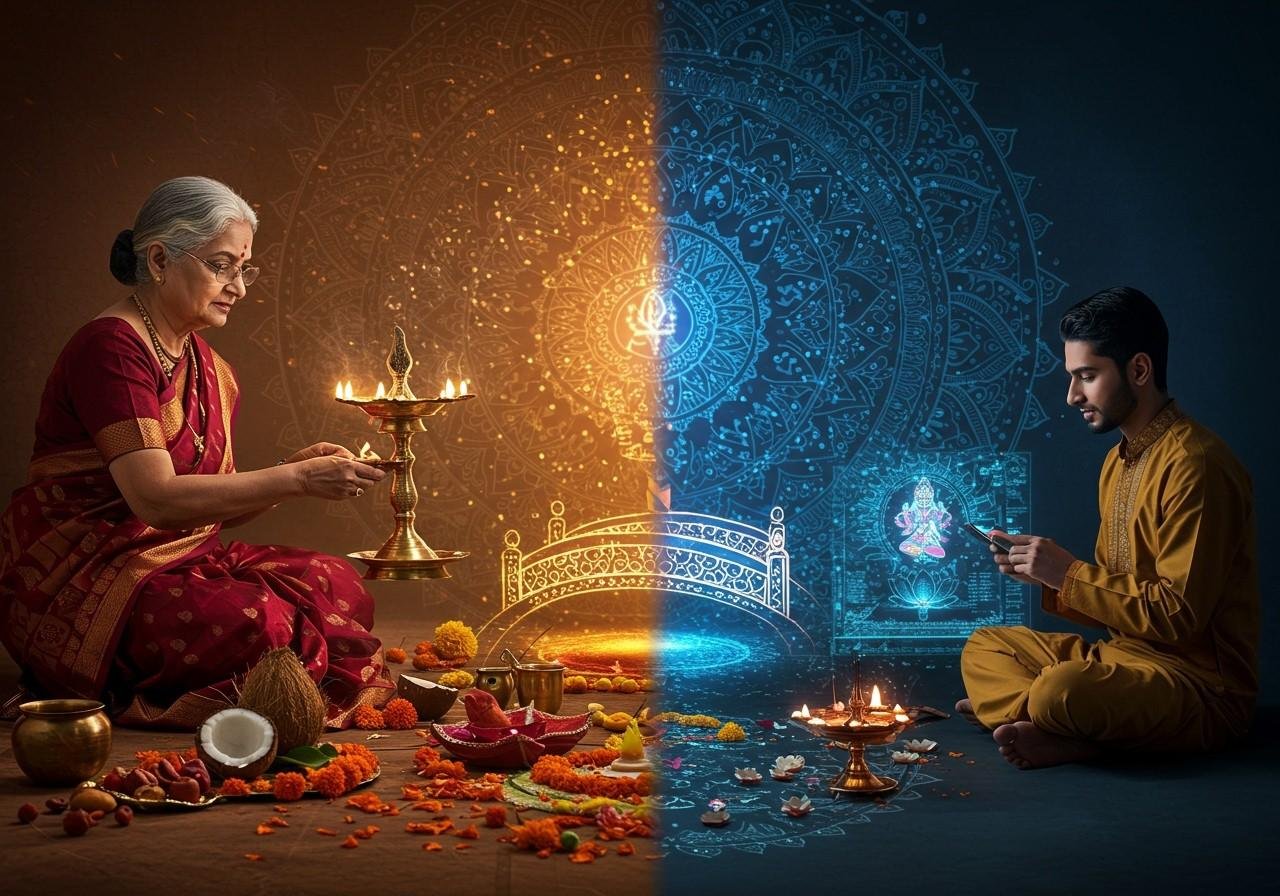
Growing interest in spiritual and wellness apps is reshaping how youth from smaller towns approach tradition, mindfulness and daily rituals. Instead of choosing between digital tools and cultural practices, young users are merging both, creating a hybrid lifestyle rooted in convenience and familiarity.
Short summary paragraph
Youth in Tier 2 and Tier 3 towns are increasingly using spiritual and wellness apps while continuing their offline rituals. This blend of tradition and technology reflects rising digital comfort, personal wellbeing needs and a desire to modernise cultural practices without losing identity.
Why wellness and spiritual apps are gaining traction in smaller towns
The rise of digital payments, affordable smartphones and relatable app interfaces has brought meditation, devotional content and health tracking tools to smaller towns. Young people who were once exposed only to local temples, community gatherings or home rituals now have access to guided meditations, daily affirmations, astrology forecasts and virtual aartis through their mobile screens.
This adoption is not driven by trend alone. Many youth use these apps to manage stress from studies, work and family responsibilities. Competitive exams, career pressure and digital overload push them toward simple tools that offer focus, calm or emotional grounding. They see spiritual apps as extensions of familiar rituals rather than replacements.
Another reason for rising adoption is privacy. Some young users prefer exploring spiritual practices quietly on their phones rather than participating in crowded or traditional settings where they feel judged or inexperienced. Digital platforms give them the freedom to learn at their own pace.
Traditional rituals still play a central role in daily life
Despite the digital shift, offline rituals remain deeply rooted in small town culture. Youth continue to participate in morning prayers, temple visits, festival observances and family specific customs. Even those who use wellness apps daily still rely on local priests, community elders and cultural norms to guide major life decisions such as festivals, pujas or family ceremonies.
Instead of giving up offline rituals, youth are personalising them. For example, someone may listen to a guided chanting session online and then perform a short prayer at home. Another may track lunar dates through an app and plan family rituals accordingly. This hybrid approach allows them to blend convenience with cultural continuity.
Offline rituals also offer social bonding. Small town youth often participate in group aartis, kirtan nights, temple events or morning walks, which apps cannot replace. These collective activities help build belonging and provide emotional stability.
How technology is modernising spiritual and wellness habits
Apps today offer a wide range of categories, including meditation, sleep music, chanting tools, virtual temples, astrology dashboards, mental wellness trackers and yoga tutorials. Youth find these features practical because they can integrate them into busy daily routines.
Push notifications remind users of specific chanting times, breathing exercises or hydration breaks. Voice guided meditations help beginners practice without prior knowledge. Live spiritual discourses streamed from temples across India bring cultural experiences that small town youth once could not access easily.
Many apps also offer regional language options, making them accessible to users more comfortable in Hindi, Marathi, Tamil, Telugu, Bengali or Kannada. This localisation strengthens adoption in smaller towns where language familiarity builds trust.
YouTube and short video platforms further amplify digital wellness trends. Youth follow spiritual teachers, yoga instructors, astrologers and mindfulness coaches who simplify concepts into short, actionable steps.
Why small town youth prefer a blended approach
The blended approach comes from a desire to remain culturally connected while embracing modern convenience. Small town families often expect youth to participate in rituals, but young people also want methods that fit into their fast paced lives. Apps help them stay consistent without needing physical access to temples or community groups.
Youth also seek personalisation. Digital tools let them choose music, timers, texts or chants that match their preferences. Traditional rituals rarely offer this level of customisation. By balancing both, they feel closer to their culture yet empowered with autonomy.
Another driver is mental wellbeing. Young users increasingly recognise the value of mindfulness and meditation for managing stress. Apps help them develop daily habits that complement offline practices focused on gratitude, discipline or family bonding.
Impact on local culture and community dynamics
The hybrid approach is influencing cultural dynamics in smaller towns. Local priests and wellness experts are beginning to use social media or WhatsApp groups to guide youth and share daily rituals. Community events are integrating digital promotion, live streams and virtual participation for those who cannot attend physically.
Small stores selling spiritual goods report that young customers often ask for items they discover online, such as incense blends, copper bottles, yoga mats or mala beads. Digital content shapes demand and revives interest in traditional products.
This trend also encourages small scale instructors, yoga teachers and astrologers in smaller towns to digitise their services. Many now offer online sessions, personalised readings and virtual classes targeted specifically at young audiences.
How this trend may evolve in the coming years
As digital comfort increases, wellness apps will likely incorporate AI driven personal guidance, voice based recommendations and regional community groups where youth can share progress. Offline rituals will continue to anchor cultural identity, but digital platforms will help simplify, modernise and personalise them.
This blended model may also influence future products, such as hybrid event formats, local wellness retreats or town level digital meditation communities. Small town youth will drive this evolution as both consumers and creators of mindful digital culture.
Takeaways
Youth in smaller towns blend spiritual apps with offline rituals rather than replacing them.
Mobile first adoption fuels interest in meditation, chanting, yoga and astrology tools.
Digital platforms modernise cultural habits while maintaining traditional identity.
Local culture evolves as community practices and digital wellness coexist.
FAQs
Why are wellness and spiritual apps popular in smaller towns
Because they offer convenience, privacy, regional language access and stress management tools that fit into daily routines.
Do youth still follow traditional rituals despite using apps
Yes. Most continue offline rituals and use apps to complement or personalise their practices.
Are local communities adopting digital tools too
Increasingly yes. Priests, teachers and wellness practitioners use social platforms to guide and engage youth.
Will digital wellness replace offline rituals
Unlikely. Youth value tradition and community bonding, so both digital and offline practices will coexist.











Leave a comment