

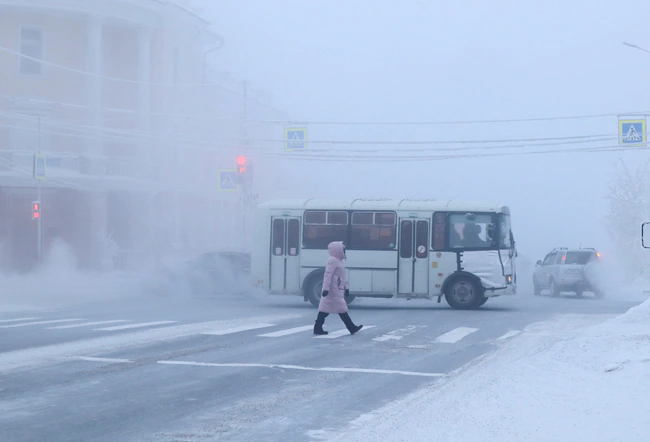
The cold wave and local winter dips are shaping how Gen Z in smaller cities adjusts fashion, daily routines and lifestyle choices. The cold wave effect is more visible this year as temperatures fall earlier, prompting young people to rethink comfort, style and mobility during colder months.
This topic is time sensitive because it connects current winter conditions with emerging youth behaviour trends.
Why smaller city winters are influencing new fashion choices
Gen Z in Tier 2 and Tier 3 cities is responding quickly to colder temperatures by adopting layered clothing that balances warmth with style. Instead of bulky winter wear, many prefer lightweight padded jackets, oversized hoodies, knitted pullovers and thermal inners that allow flexible mixing and matching.
Local markets are seeing rising demand for pastel and neutral toned winter apparel, driven by online inspiration and social media influence. Young shoppers want pieces that photograph well, are comfortable for long wear and work for college, casual outings and part time jobs.
Quality over quantity is becoming a trend. With unpredictable winter dips, Gen Z prefers versatile pieces they can rewear across multiple settings rather than buying heavy seasonal items that remain unused after winter ends.
How lifestyle routines are shifting with colder temperatures
Winter dips affect daily schedules in smaller cities where outdoor activity usually starts early. Gen Z is adjusting by delaying morning routines, choosing indoor study sessions and using cafés or libraries with reliable heating.
Exercise habits are changing too. Many prefer evening walks, indoor workouts or short morning sessions to avoid early chill. Cold weather accessories like gloves, neck warmers and beanies are becoming more common among young riders and cyclists who commute regularly.
Sleep cycles are also shifting. Cooler nights encourage longer sleep durations, and students are reorganising study hours to align with warmer afternoon windows. Hot beverages, warm snacks and seasonal foods are gaining popularity, influencing both home routines and local street food patterns.
The role of social media in winter style evolution
Social media platforms shape how quickly fashion trends reach smaller towns. Gen Z actively follows influencers, campus creators and regional fashion pages for winter outfit ideas that are affordable and easy to assemble.
Reels showcasing street style, thrifted jackets, layering hacks and winter friendly makeup routines are widely shared among peer groups. This digital exchange accelerates adoption, making winter fashion a community driven experience rather than a metro centric trend.
Local creators are also gaining space. Many college students post winter looks reflecting their city’s culture and climate, helping shape a distinct aesthetic that blends practicality with personality.
Why smaller cities are seeing higher demand for winter accessories and self care products
Accessories like scarves, mittens, caps and wool socks are witnessing a noticeable rise in sales. These items offer warmth without altering entire wardrobes, making them budget friendly solutions for weather dips.
Self care routines are changing too. Gen Z is relying more on moisturisers, lip balms, hydrating serums and hair oils to counter dryness caused by colder air. Winter specific skincare content is trending among young users who want to maintain appearance while managing climate effects.
Local stores and online platforms are both benefiting from this surge. Affordable winter collections, combo offers and influencer discounts make it easier for young shoppers to experiment with new styles without heavy spending.
How these adaptations signal broader cultural and economic changes
The way Gen Z responds to winter dips reflects their ability to blend global trends with local practicality. Smaller cities no longer lag behind metros in adopting seasonal styles or lifestyle shifts.
Rising disposable incomes among young adults, improved access to e commerce and stronger exposure to fashion media contribute to faster trend adoption. Winter becomes not just a climate condition but a chance for self expression, content creation and social engagement.
These adaptations also signal a maturing youth market. Brands increasingly view smaller cities as trend capable markets rather than passive consumers. The demand patterns this winter will influence product launches, pricing strategies and marketing campaigns in the next season.
Takeaways
Gen Z in smaller cities is adopting layered, versatile fashion to manage colder winters
Daily routines are shifting as young people adjust study, commute and fitness habits
Social media accelerates winter trend adoption and drives community style choices
Winter accessories and self care products are seeing stronger demand among youth
FAQs
Why is Gen Z in smaller cities adopting new winter styles
Colder temperatures, social media influence and improved access to affordable fashion are driving faster adaptation to winter trends.
How are lifestyle routines changing during the cold wave
Young people are adjusting study hours, commute timings, workout routines and choosing warmer indoor spaces for daily activities.
Are winter accessories becoming more popular among youth
Yes. Accessories offer affordable warmth and allow creative styling without large wardrobe changes.
What does this trend mean for future fashion seasons
Brands will increasingly design winter collections targeting smaller cities as youth led demand becomes more visible and predictable.












Leave a comment