

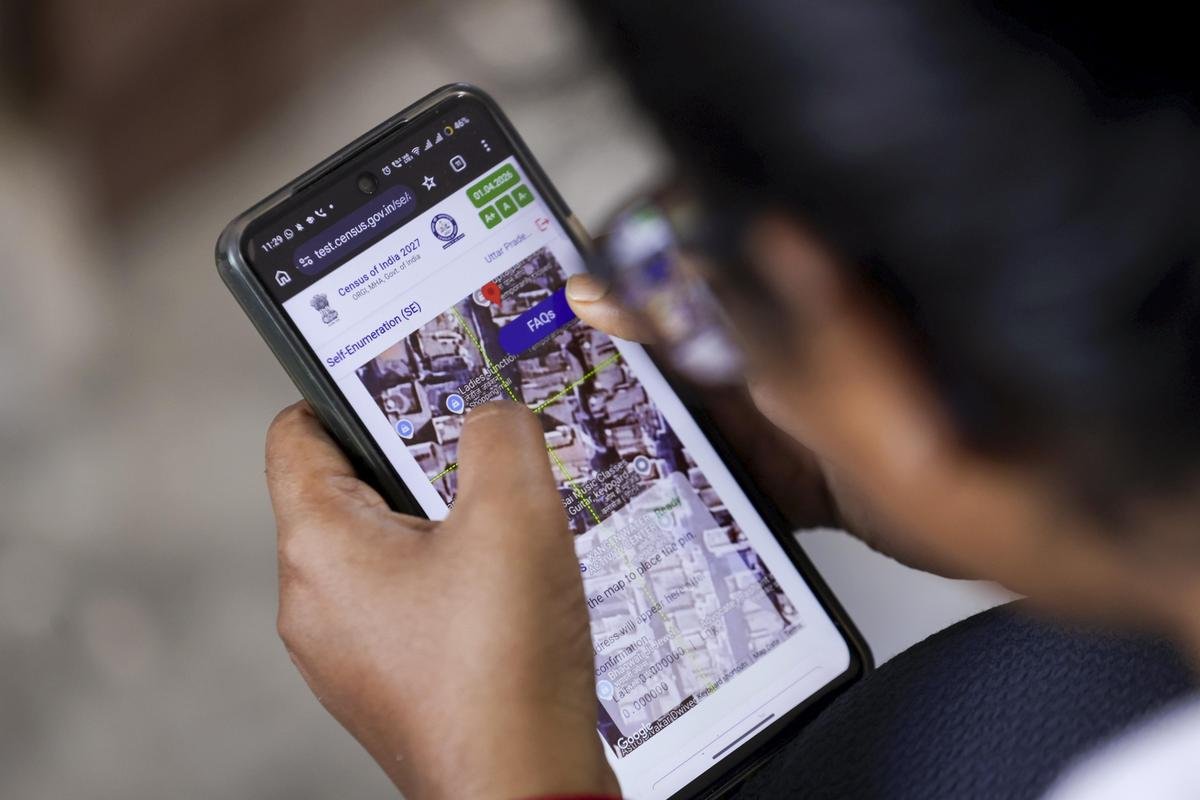
India’s upcoming Census 2027 is expected to mark a major shift in how population data is collected, with the government planning to introduce a digital self-enumeration system alongside traditional survey methods. The move could make the census process faster, more accurate, and more accessible, particularly for citizens in growing small towns and semi-urban regions.
Census 2027 to Introduce a Digital Approach
The Census has traditionally relied on enumerators visiting households and collecting information through paper-based surveys. For Census 2027, authorities have announced plans to adopt digital data collection methods, including a self-enumeration facility that would allow residents to submit their details online before an official visit.
The initiative is part of India’s broader push toward digital governance and public service modernization. Officials believe that combining digital submissions with field verification can reduce errors, speed up data processing, and improve the overall quality of demographic information.
For a country with more than 1.4 billion people, the ability to collect and process population data efficiently is becoming increasingly important for planning infrastructure, welfare schemes, healthcare, education, and urban development.
How the Self-Enumeration System Will Work
Under the proposed self-enumeration system, households will be able to log into an official government portal or designated platform and fill in census-related information themselves. This may include details such as family composition, age, education levels, occupation, housing conditions, and other demographic data.
After the information is submitted, census officials are expected to verify the details through designated processes. The digital model aims to reduce duplication, minimize manual data entry errors, and shorten the time required to compile national statistics.
The use of digital tools also means data can be processed in near real time compared to previous census exercises, where final reports often took years to be fully compiled and released.
Why Small-Town India Could Benefit the Most
One of the most significant impacts of digital census collection could be felt in India’s Tier-2 and Tier-3 cities. Over the past decade, many smaller urban centers have witnessed rapid population growth due to migration, industrial expansion, and improving infrastructure.
Accurate population data helps governments understand where schools, hospitals, roads, public transport systems, and housing projects are needed most. In many smaller towns, population growth has outpaced planning efforts, creating pressure on civic services.
A more efficient census process can provide policymakers with updated information about changing demographics, employment patterns, migration trends, and urban expansion. This can help local administrations make better decisions regarding resource allocation and development priorities.
For towns transitioning into major economic hubs, reliable census data may also attract investment and support future infrastructure projects.
Digital Inclusion Remains a Key Challenge
While the self-enumeration system offers several advantages, digital accessibility remains a concern. Not all households have reliable internet access, digital literacy, or familiarity with online government services.
Small-town India has made significant progress in smartphone adoption and internet connectivity, but gaps still exist, particularly among elderly citizens and economically disadvantaged communities.
To address these concerns, authorities are expected to continue using traditional enumeration methods alongside digital options. Enumerators will remain an important part of the process, ensuring that people who cannot access online platforms are not left out.
The hybrid model seeks to balance innovation with inclusivity, allowing citizens to choose the method most suitable for them.
Better Data Could Improve Public Policy
The importance of census data extends far beyond population counting. Government programs related to healthcare, education, housing, transportation, employment, and social welfare rely heavily on accurate demographic information.
As India experiences rapid urbanization, understanding population shifts becomes critical for future planning. Many small cities are evolving into major economic centers, creating new demands for infrastructure and public services.
A digitally enabled census could provide policymakers with a clearer picture of these changes. Faster access to data may also help governments respond more effectively to emerging challenges and allocate resources where they are needed most.
Experts believe that improved data collection can contribute to evidence-based policymaking and better governance at both state and local levels.
Looking Ahead to Census 2027
The planned digital transformation of Census 2027 reflects India’s broader commitment to technology-driven governance. While implementation challenges remain, particularly around digital access and data accuracy, the introduction of self-enumeration represents a significant step forward.
For residents of small-town India, the initiative could lead to better representation in official records and more informed development planning. As the country prepares for one of its largest administrative exercises, the success of the digital census may influence how future public data collection efforts are conducted.
Key Takeaways
- Census 2027 is expected to include a digital self-enumeration facility for households.
- The system aims to improve accuracy, reduce processing time, and modernize data collection.
- Tier-2 and Tier-3 cities could benefit from better population data for infrastructure and development planning.
- Traditional enumeration methods will likely continue to ensure inclusivity and wider participation.
FAQ
What is self-enumeration in Census 2027?
Self-enumeration allows households to enter their census information online instead of relying solely on in-person data collection.
Will census officials still visit homes?
Yes. The digital model is expected to work alongside traditional verification and enumeration processes.
Why is Census 2027 important for small towns?
Accurate population data helps governments plan schools, hospitals, roads, public services, and development projects more effectively.
Can people without internet access participate?
Yes. Traditional census enumeration methods are expected to remain available for households that cannot use digital platforms.
(Primary Keywords: Census 2027, Digital Census India, Self-Enumeration System, India Census Online
Secondary Keywords: Tier-2 Cities India, Tier-3 Cities Development, Digital Governance India, Population Data India, Census Benefits for Small Towns, Urban Growth India)









Leave a comment