

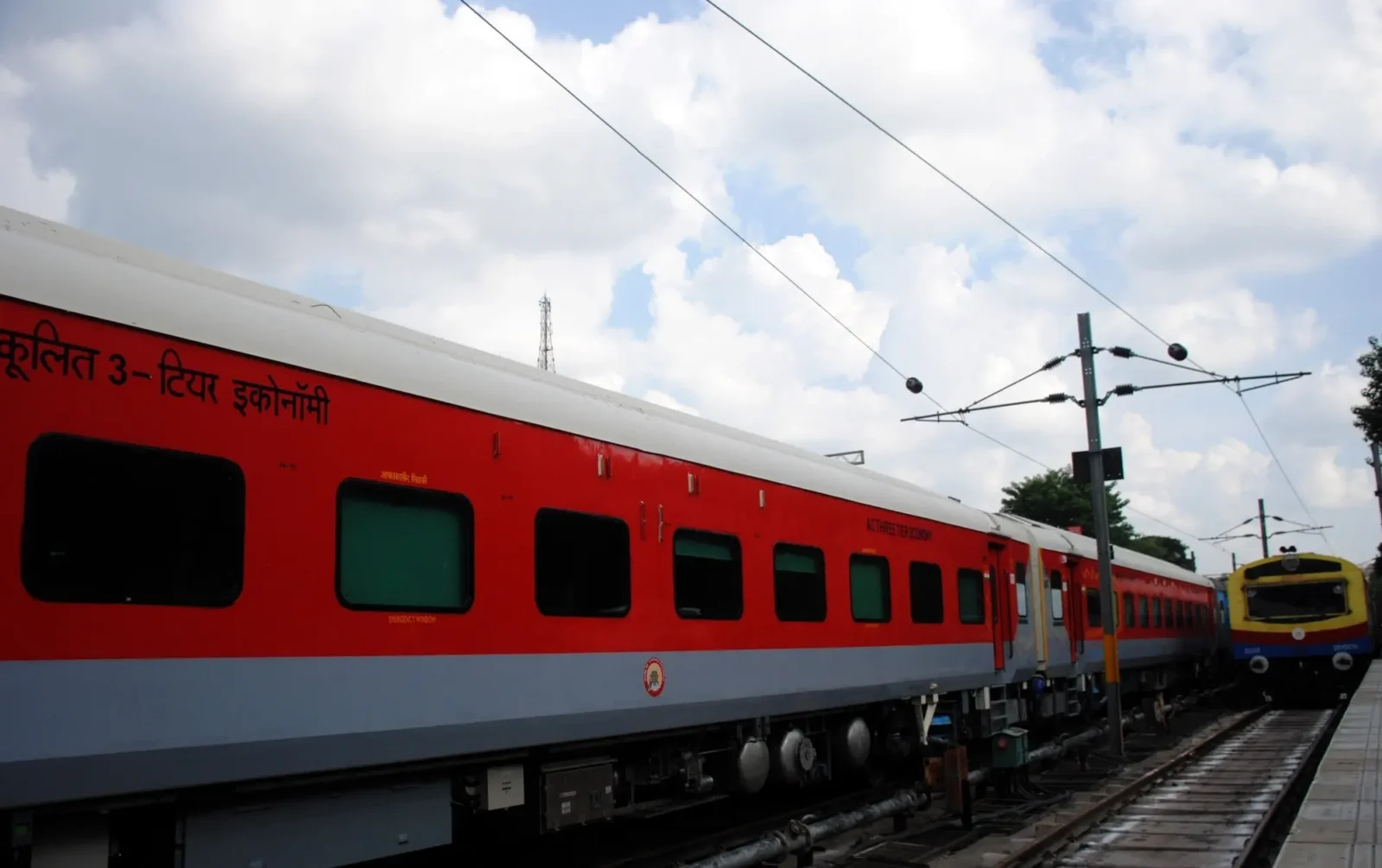
The Railway Safety initiative involving the deactivation of three crore user IDs has triggered widespread discussion about passenger services, digital access, and fraud prevention. Indian Railways has positioned this move as a corrective step to improve system integrity and protect genuine passengers.
The Railway Safety exercise that led to the deactivation of three crore user IDs is a time sensitive development, and the tone here reflects ongoing policy implementation and its immediate effects. Indian Railways, through its online ticketing and service platforms, identified a large number of inactive, duplicate, and suspicious accounts. The decision to deactivate them aims to curb misuse, strengthen cybersecurity, and ensure fair access to passenger services, especially during peak travel seasons.
Why Indian Railways Deactivated Three Crore User IDs
The primary reason behind the deactivation drive was the rising misuse of railway digital platforms. Over the years, the number of registered user IDs grew rapidly, but a significant portion remained inactive or showed abnormal activity patterns. Some accounts were linked to automated booking attempts, bulk ticket hoarding, or repeated cancellations that disrupted availability for genuine passengers.
Railway authorities flagged these issues as a safety and fairness concern. Automated and suspicious accounts often strain backend systems and create artificial scarcity. By removing such IDs, Indian Railways aims to restore balance in ticket booking and reduce technical load on its digital infrastructure.
How the Deactivation Process Was Carried Out
The deactivation of three crore user IDs was not random. Railway systems reportedly analyzed usage patterns, login frequency, verification status, and compliance with platform rules. Accounts that remained inactive for extended periods or failed verification requirements were shortlisted.
In addition, user IDs linked to multiple suspicious activities were flagged for removal. The process was automated but supervised to minimize disruption to legitimate users. Passengers with active and verified accounts were not affected, reinforcing that the move targeted system misuse rather than regular travelers.
Impact on Passenger Booking and Services
In the immediate aftermath, some passengers expressed concern about access to online booking services. However, railway officials clarified that genuine users could continue booking without interruption. In fact, early indicators suggest improved ticket availability, especially during high demand windows such as festivals and holidays.
For passengers in Tier two and Tier three towns, where online booking is a primary access point, the Railway Safety move is expected to reduce last minute booking failures. With fewer automated logins clogging the system, website and app performance is likely to stabilize, improving user experience.
Addressing Concerns of Genuine Users
One concern raised was whether occasional users might lose access. Indian Railways addressed this by stating that users can re register if their account was inactive and later deactivated. The emphasis is on maintaining an active, verified user base rather than restricting access.
Passenger service centers and helplines have been instructed to assist users facing account related issues. This ensures that the safety driven cleanup does not turn into an accessibility barrier, particularly for elderly passengers or those with limited digital familiarity.
Railway Safety and Cybersecurity Link
The deactivation drive is part of a broader Railway Safety and cybersecurity framework. With increasing dependence on digital platforms for ticketing, refunds, and passenger information, protecting systems from misuse has become essential.
Cybersecurity experts point out that dormant and duplicate accounts increase vulnerability to hacking and data breaches. By pruning such accounts, Indian Railways reduces attack surfaces and strengthens data protection. This also aligns with national digital governance goals focused on secure public service platforms.
Long Term Benefits for the Railway Ecosystem
Over the long term, the removal of three crore user IDs is expected to bring structural benefits. A cleaner database allows better demand forecasting, more accurate passenger analytics, and improved service planning. These insights help railways optimize train schedules, coach allocation, and infrastructure investment.
For passengers, this translates into more predictable booking outcomes and reduced frustration. For the administration, it supports policy decisions grounded in reliable data rather than inflated user numbers that distort planning.
Implications for Ticketing Agents and Middlemen
Another indirect impact of the Railway Safety drive is on unauthorized agents and middlemen. Such operators often rely on multiple accounts to corner tickets and resell them at a premium. Deactivating bulk and suspicious IDs disrupts this practice.
Railway authorities have reiterated that legitimate authorized agents are unaffected as long as they comply with regulations. The focus remains on eliminating unfair practices that undermine trust in the public transport system.
What Passengers Should Do Now
Passengers are advised to ensure their railway user accounts are active, verified, and compliant with platform guidelines. Keeping contact details updated and logging in periodically can help avoid deactivation.
Those who find their accounts deactivated can re register through official platforms without penalty. Indian Railways has emphasized that the goal is not exclusion, but safety, fairness, and service reliability.
Broader Message Behind the Safety Drive
The deactivation of three crore user IDs sends a clear message that Indian Railways is serious about modernizing passenger services. As digital systems become central to operations, maintaining their integrity is as important as physical safety measures on tracks and trains.
This Railway Safety initiative reflects a shift toward proactive governance, where data hygiene and cybersecurity are treated as core elements of passenger safety and service quality.
Takeaways
- Indian Railways deactivated three crore user IDs to curb misuse and strengthen safety.
- The move targets inactive and suspicious accounts, not genuine passengers.
- Ticket availability and digital performance are expected to improve.
- Passengers can re register if their accounts were deactivated due to inactivity.
FAQs
Why were three crore railway user IDs deactivated?
To remove inactive, duplicate, and suspicious accounts that were misusing booking systems.
Will genuine passengers face booking problems?
No, verified and active users are unaffected, and system performance may improve.
Can a deactivated user create a new account?
Yes, users can re register through official railway platforms if needed.
Does this affect offline ticket booking?
No, offline booking counters and authorized agents continue to operate as usual.











Leave a comment