

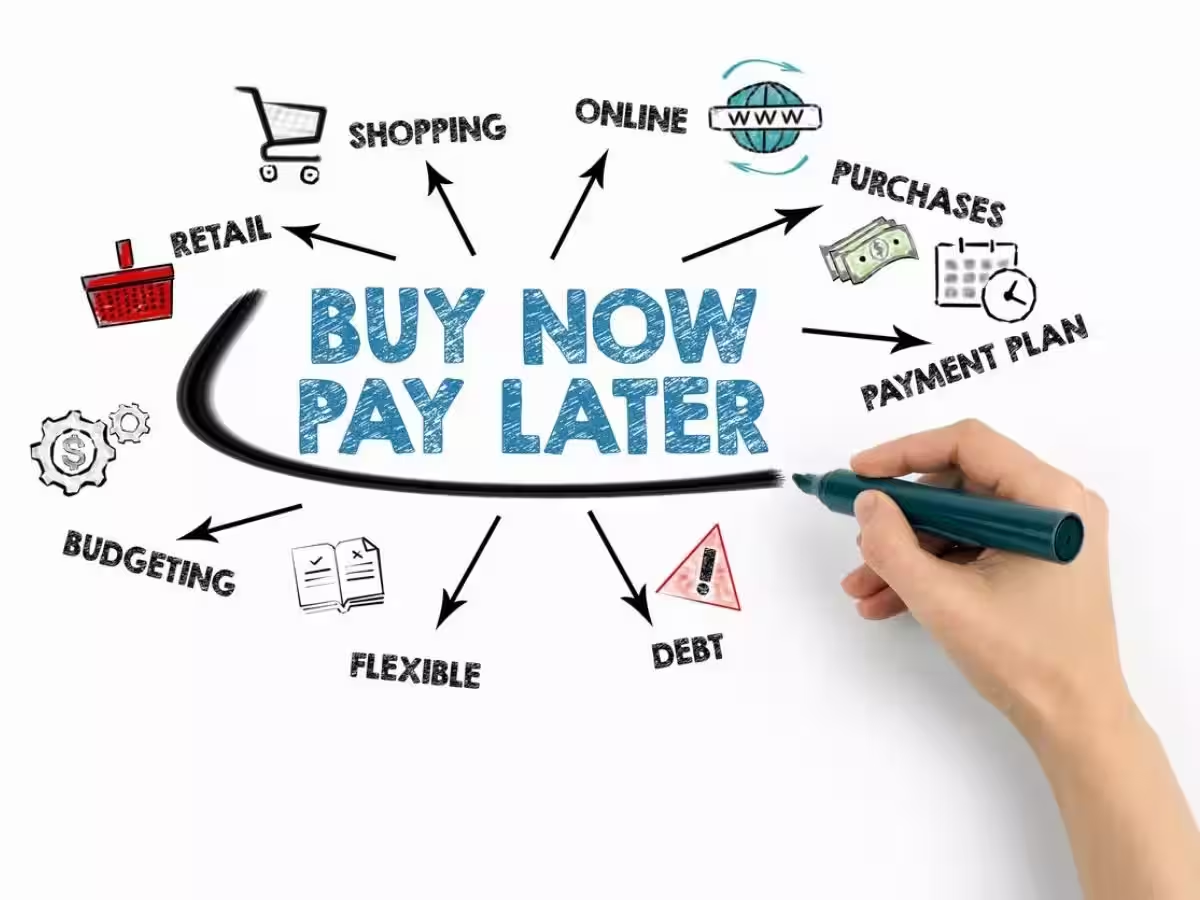
Buy Now, Pay Later (BNPL) services and Unified Payments Interface (UPI) have changed how young Indians pay for everyday purchases. While digital payments offer convenience, easy access to short-term credit can also encourage overspending. Understanding the difference between spending money and borrowing it is essential for building healthy financial habits.
How UPI and Buy Now, Pay Later Are Changing Spending Habits
Digital payments have become a routine part of everyday life in India. From paying for tea and groceries to booking movie tickets, ordering food and shopping online, UPI allows users to transfer money directly between bank accounts using a mobile application.
The scale of adoption is significant. According to the National Payments Corporation of India (NPCI), UPI processed approximately 24,162 crore transactions during the 2025-26 financial year, demonstrating how deeply digital payments have entered the Indian economy.
Buy Now, Pay Later services operate differently. Instead of paying the entire purchase amount immediately, eligible customers can receive short-term credit and repay it later, either in one payment or through instalments, depending on the provider’s terms.
For students, young professionals and first-time earners, both systems can make transactions easier. However, convenience does not automatically lead to better financial decisions. When payments become quick and borrowing requires only a few steps, consumers may find it harder to recognise how much they are actually spending.
UPI Payments Versus BNPL Credit: Understanding the Difference
Although UPI and BNPL are often discussed together, they serve different financial purposes.
A standard UPI transaction transfers money from a linked bank account to another account or merchant. Unless the transaction uses a credit-linked facility, the payment is made using available funds rather than borrowed money.
BNPL, by contrast, involves borrowing. A provider or regulated lending institution pays the merchant or extends credit for an eligible purchase, and the customer becomes responsible for repayment according to the agreed schedule.
Credit-linked UPI facilities also exist. For example, eligible customers may be able to make payments using a pre-approved credit line linked to UPI, subject to the lender’s terms. Such transactions should not be confused with ordinary payments from a bank account.
This distinction matters because the financial consequences are different. A regular UPI purchase reduces the balance available in the bank account. A BNPL purchase creates a repayment obligation that may include interest, fees or penalties, depending on the agreement.
Understanding which payment method is being used is the first step towards responsible digital spending.
Why Young Indians May Overspend Through Digital Payments
Digital payment systems remove several steps that once made spending more noticeable. Instead of counting cash or checking the amount left in a wallet, users can complete purchases with a phone and a PIN.
This convenience is useful, but it can also make small purchases feel less significant. A coffee, a food delivery order, a cab ride and an online subscription may each seem affordable on their own. When combined over a month, however, these expenses can take up a substantial portion of a young person’s income.
BNPL can introduce another layer of risk. When a customer sees an option to pay later, the immediate cost of a purchase may appear smaller than its actual financial commitment.
Consider a young professional earning ₹25,000 per month. The person might spend ₹3,000 on food delivery, ₹2,000 on shopping, ₹1,500 on entertainment and another ₹2,500 on travel and miscellaneous purchases. These expenses total ₹9,000 before rent, household contributions, savings or other essential costs are considered.
If the person also has several BNPL instalments due during the same month, managing cash flow can become difficult.
This example is illustrative, not a claim about average spending among young Indians. Actual spending patterns differ according to income, location, family responsibilities and lifestyle.
The Hidden Costs of Buy Now, Pay Later Services
BNPL services may advertise interest-free repayment periods, but consumers should not assume every transaction is free of charges. The actual cost depends on the lender, product and repayment agreement.
Some services may charge interest on particular plans, late payment fees or other applicable charges. Missing a due date can make a purchase more expensive than originally expected.
Consumers should also check whether the credit arrangement is reported to a credit information company. Depending on the lender and product, repayment behaviour may affect a borrower’s credit history. Missed payments can create problems when applying for future credit, while responsible repayment can support a positive credit record.
Another risk is taking on multiple credit obligations. A consumer may use one service for clothing, another for electronics and a third for online shopping. Each provider may display a manageable repayment amount, but the combined monthly liability can become difficult to track.
Before accepting a BNPL offer, users should read the repayment schedule, applicable charges, late-payment conditions and cancellation or refund rules.
A purchase is not genuinely affordable simply because the first payment is small. It is affordable when the customer can meet the complete repayment obligation without compromising essential expenses or financial goals.
How Digital Debt Can Affect Financial Stability
Debt becomes a concern when repayments begin interfering with everyday needs. Young adults who are starting their careers may already be managing rent, commuting costs, education expenses, family contributions and savings goals.
Adding repeated short-term borrowing can leave less money available for emergencies. If an unexpected medical bill, job interruption or household expense arises, a person with several outstanding instalments may have limited flexibility.
Some consumers may also borrow again to repay earlier obligations. This can create a cycle in which new credit is used to manage existing debt instead of meeting fresh needs. Repeated borrowing does not necessarily indicate financial distress, but relying on it to cover routine expenses is a warning sign.
Credit history is another consideration. Where the lender reports repayment information to a credit bureau, missed payments may affect future loan or credit applications. The specific impact depends on the product, lender and reporting arrangements.
Financial stability is not about avoiding every form of credit. Loans can serve legitimate purposes when used carefully. The objective is to understand the cost of borrowing, maintain a manageable repayment burden and avoid treating future income as money that is already available to spend.
RBI Rules and Consumer Protection in Digital Lending
India’s digital lending market operates within a regulatory framework established by the Reserve Bank of India (RBI). The RBI’s Digital Lending Directions, 2025, set requirements for regulated lenders and their lending service providers, including provisions relating to disclosures, borrower protection, data practices and recovery procedures.
These rules are important because consumers may interact with a lending application without clearly understanding which bank or non-banking financial company is providing the credit.
Before borrowing, customers should verify the identity of the actual lender and check whether the lending application is associated with a regulated entity. The RBI maintains a directory of digital lending applications to help consumers verify such associations.
Borrowers should also review the total cost of credit, including the annual percentage rate where applicable, repayment terms and any fees. Personal information should be shared only after reviewing the application’s privacy policy and understanding the permissions being requested.
If a lending application makes misleading claims, demands unauthorised access to personal data or uses threatening recovery practices, consumers should preserve relevant records and use the lender’s formal grievance mechanism. Complaints involving regulated entities may also be escalated through the RBI’s applicable complaint channels.
Regulation can improve transparency and accountability, but it does not remove the need for consumers to assess whether a loan is suitable for their circumstances.
Practical Ways Young Indians Can Manage UPI and BNPL Spending
Managing digital spending does not require giving up UPI or avoiding all credit products. It requires creating a system that makes expenses visible and repayment obligations predictable.
Start by reviewing bank statements and payment histories regularly. Categorise spending into essentials, discretionary purchases, subscriptions and debt repayments. This can reveal patterns that are difficult to notice when transactions are made throughout the day.
Set a monthly limit for non-essential purchases. The limit should be based on income after essential expenses and planned savings, rather than the amount a credit provider is willing to lend.
For BNPL, maintain a record of every outstanding purchase, its due date and the total amount payable. Avoid accepting a new credit plan until existing obligations have been reviewed.
It is also useful to build an emergency fund gradually. Even a modest reserve can reduce dependence on borrowing when an unexpected expense occurs.
Finally, pause before making an impulse purchase. Ask whether the item is necessary, whether it can be purchased without borrowing and whether the repayment will still be manageable after other bills are paid.
These habits help young consumers retain the convenience of digital payments without losing control of their finances.
Key Takeaways
- UPI generally transfers money from a linked bank account, while BNPL involves credit that must be repaid according to the agreed terms.
- Small digital purchases can accumulate, making it important to review monthly spending rather than judging expenses individually.
- BNPL plans may involve interest, fees or credit-reporting consequences, depending on the product and lender.
- Tracking instalments, setting spending limits and building emergency savings can help young Indians avoid unnecessary debt.
Frequently Asked Questions
1. Is UPI the same as Buy Now, Pay Later?
No. Standard UPI payments generally use money available in a linked bank account. BNPL provides credit that must be repaid later. Some UPI transactions can use eligible credit-linked facilities, so users should check the payment source.
2. Can Buy Now, Pay Later affect a credit score in India?
It can, depending on the credit product, lender and reporting arrangements. If repayment information is reported to a credit bureau, missed payments may affect the borrower’s credit history. Consumers should check the agreement before borrowing.
3. Is BNPL safe for college students and young professionals?
It depends on affordability, repayment terms and the lender’s practices. Users should understand all applicable charges, verify the lender and borrow only when they can meet the repayment schedule without compromising essential expenses.
4. How can young Indians avoid overspending through UPI?
Review transaction histories regularly, establish a monthly discretionary spending limit, track recurring payments and pause before making impulse purchases. Keeping savings separate from everyday spending money can also help maintain financial discipline.









Leave a comment