

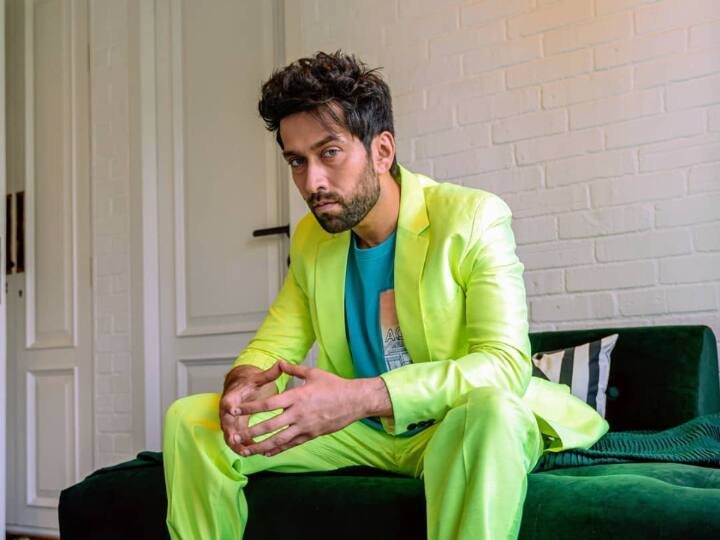
Nakuul Mehta’s viral OOTD moment highlights how celebrity branding in India has moved beyond acting credits into personal style, digital presence and audience relatability. The episode reflects a larger shift in how television actors build influence, relevance and commercial value in the social media era.
The moment did not come from a film release, trailer drop or PR driven interview. It came from a simple outfit post that triggered organic engagement, fan commentary and reposts across platforms. That alone explains why this is not just a fashion story but a branding case study.
Understanding the Viral OOTD Moment
The Nakuul Mehta viral OOTD gained traction because it felt unscripted and confident rather than styled for endorsement. The look aligned with his public persona built over years on television and digital platforms. Audiences did not see an actor trying to sell an image. They saw consistency.
This matters because Indian audiences, especially Gen Z and young millennials, are highly sensitive to forced branding. When a celebrity’s visual language matches their tone, interviews and social interactions, engagement rises naturally. The virality was not driven by shock value or luxury flexing but by approachability.
Importantly, the post did not rely on brand tagging or promotional cues. That absence reinforced authenticity. Fans responded by focusing on confidence, fit and individuality rather than price points, which amplified reach without triggering skepticism.
Celebrity Branding Beyond Acting Roles
Celebrity branding today is no longer dependent on screen time alone. For television actors like Nakuul Mehta, digital identity fills the gap between shows, seasons and platform transitions. OOTD content functions as a soft touchpoint that keeps audiences emotionally invested.
This strategy builds recall without fatigue. Instead of repeating character traits from past roles, personal style communicates growth, taste and independence. It also allows actors to step out of fictional identities while retaining audience trust.
For brands, this form of visibility is more valuable than scripted endorsements. A celebrity who can generate organic fashion conversation has higher influence equity. The Nakuul Mehta OOTD episode shows how personal branding can quietly outperform traditional promotional cycles.
Social Media Strategy and Audience Psychology
The success of the viral OOTD is closely tied to platform behavior. Short form visuals with minimal captions perform better when the subject already has audience familiarity. Nakuul Mehta’s long standing TV presence meant the content did not need context.
Audience psychology also plays a role. Fans enjoy discovering style inspiration without being told it is inspiration. The absence of instructional tone made the post feel observational rather than aspirational. That distinction increases shareability.
Timing mattered as well. The post landed during a period when lifestyle content dominates feeds between entertainment news cycles. It filled a low noise window, allowing organic discovery rather than algorithmic push.
Fashion as a Soft Power Tool for Celebrities
Fashion content works as soft power because it communicates without statements. In the Indian celebrity ecosystem, where overexposure is common, subtlety stands out. A single outfit can signal confidence, maturity and relevance without inviting controversy.
For male television actors, fashion has historically been underutilized. This is changing as audiences respond positively to personal expression over stereotypical masculinity. Nakuul Mehta’s OOTD tapped into this shift, positioning him as contemporary rather than legacy TV.
This also opens doors to lifestyle collaborations that are not limited to clothing brands. Grooming, wellness, travel and even tech brands increasingly look for personalities who project balanced modernity rather than loud glamour.
Impact on Brand Endorsements and Market Value
From a commercial perspective, viral moments like this recalibrate an actor’s market positioning. Brands assess not just follower count but engagement quality and sentiment. Positive organic reactions signal brand safety and adaptability.
An OOTD that trends without controversy increases negotiation leverage. It shows that the celebrity can move culture without paid amplification. For advertisers targeting urban and Tier 2 audiences, this combination is especially valuable.
It also allows celebrities to be selective. Instead of chasing endorsements, they can align with brands that match their personal narrative. That alignment improves campaign performance and reduces audience fatigue.
What This Means for Indian Television Celebrities
The Nakuul Mehta viral OOTD is not an isolated incident. It reflects a broader pattern where television actors are reclaiming relevance through digital self branding. Acting remains the foundation, but identity is now shaped daily through content choices.
For upcoming actors, the lesson is clear. Build consistency before chasing virality. Style works only when it reflects personality. Forced trends fail fast in the Indian social media ecosystem.
For established actors, this is a reminder that relevance is maintained, not announced. Small moments, when authentic, can have outsized impact.
Takeaways
- Celebrity branding now extends beyond screen roles into daily digital identity
- Authentic fashion content outperforms scripted promotions
- Audience trust drives organic virality more than follower count
- Personal style has become a commercial asset for TV actors
FAQs
Why did Nakuul Mehta’s OOTD go viral?
It felt authentic, unforced and consistent with his public persona, which encouraged organic sharing and positive engagement.
Is fashion content important for Indian TV actors?
Yes. Fashion allows actors to stay relevant between projects and build a personal brand beyond fictional characters.
Do viral OOTD moments translate into brand deals?
Often yes. Brands value organic engagement and positive sentiment as indicators of influence quality.
Can emerging actors replicate this strategy?
Only if it aligns with their personality. Consistency and authenticity matter more than trend chasing.









Leave a comment