

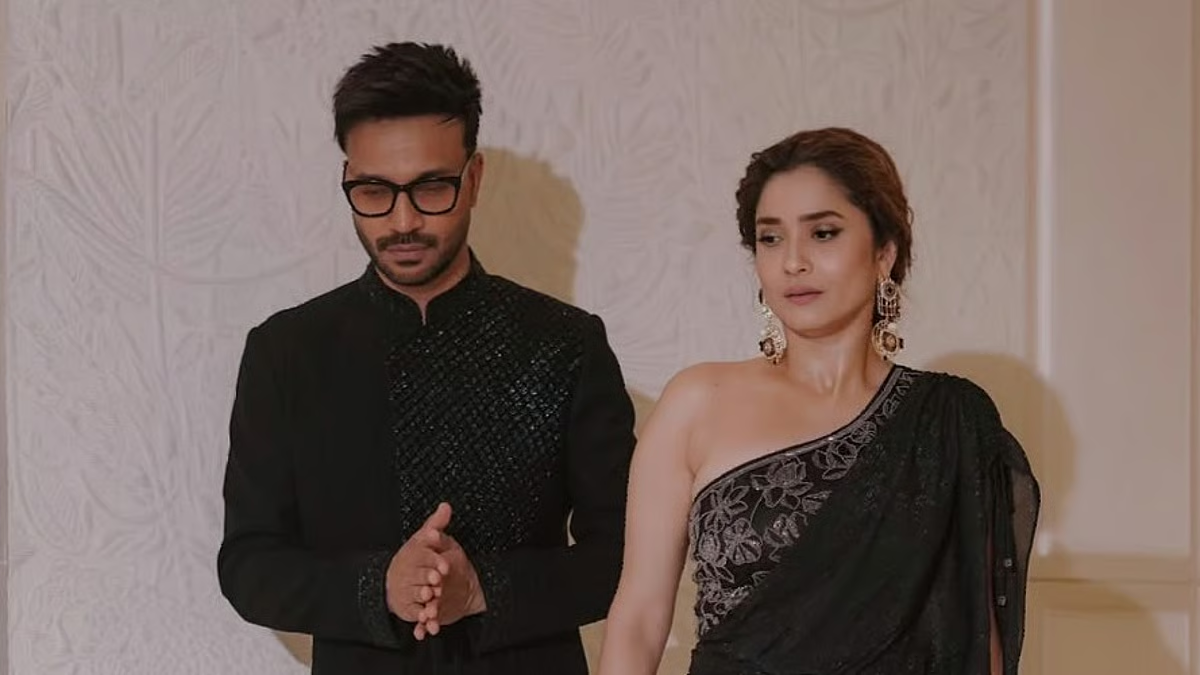
Ankita Lokhande and Vicky Jain’s social feed moments show how relatability has become a deliberate TV stardom strategy rather than a byproduct of fame. Their digital presence reflects a calculated shift where everyday content builds relevance, trust and long term audience loyalty.
This is not accidental virality. It is a pattern that aligns with how Indian television celebrities are adapting to changing audience behavior, especially among mobile first viewers in Tier 2 and Tier 3 cities.
Relatability As A Core Celebrity Branding Tool
Relatability has replaced distance as the dominant currency of modern TV stardom. Ankita Lokhande and Vicky Jain consistently project a life that feels accessible without appearing staged. Their posts focus on routines, candid conversations, family time and shared humor rather than aspirational excess.
This approach works because Indian television audiences value emotional familiarity. Viewers who followed Ankita’s long running TV journey already associate her with personal struggles and growth. The social feed reinforces that narrative instead of rewriting it.
By avoiding over curated visuals, the couple signals honesty. That honesty strengthens parasocial bonds, where audiences feel emotionally invested without direct interaction. This bond is what sustains relevance even when screen appearances are limited.
Social Feed Moments That Drive Engagement
The Ankita Lokhande Vicky Jain social media strategy prioritizes moments over milestones. Instead of only posting during premieres or public appearances, they maintain a steady rhythm of everyday content.
Small interactions like teasing banter, casual celebrations or behind the scenes glimpses generate higher comment quality. Fans respond with personal stories rather than generic praise. That depth of engagement matters more than raw like counts.
Consistency also plays a role. The tone remains stable across platforms, reducing audience confusion. There is no sudden persona shift for brand collaborations or media attention. This continuity builds trust, which algorithms and audiences both reward.
Television Stardom In The Digital Age
TV stardom in India has changed structurally. Actors are no longer insulated by weekly episodes or prime time slots. Visibility now depends on daily relevance. Ankita Lokhande’s digital presence ensures she remains part of public conversation regardless of current projects.
For Vicky Jain, whose recognition expanded through reality television exposure, social media serves as identity consolidation. The feed positions him not as a background personality but as an equal narrative participant.
Together, they present a shared identity that feels balanced. There is no dominance play or performative perfection. This appeals strongly to couples and family audiences who form a large segment of Indian TV viewership.
Audience Psychology Behind Relatable Celebrity Content
Audiences engage more with content that mirrors their own lives. Ankita Lokhande and Vicky Jain reflect common experiences like work stress, family bonds and relationship dynamics without dramatization.
This taps into validation psychology. Viewers feel seen rather than impressed. In Tier 2 markets, where celebrity worship is evolving into peer admiration, this approach performs especially well.
Importantly, relatability lowers skepticism. Followers are less likely to perceive posts as manipulative or commercial. Even branded content blends more naturally when the baseline tone is personal.
Brand Value And Commercial Implications
From a commercial perspective, relatability increases brand safety and conversion potential. Brands prefer personalities who can integrate products into daily life narratives rather than standalone endorsements.
Ankita Lokhande’s established trust makes her suitable for wellness, home, lifestyle and family oriented brands. Vicky Jain’s presence adds credibility in business and finance adjacent campaigns.
Their combined appeal expands demographic reach. Younger viewers connect through digital tone, while older audiences recognize television legacy. This dual relevance enhances campaign performance across regions.
Why This Strategy Works Better Than Glamour Driven Fame
Glamour driven fame is fragile. It peaks quickly and fades when attention shifts. Relatability driven stardom compounds over time.
By focusing on consistency rather than spectacle, Ankita Lokhande and Vicky Jain avoid burnout. There is no pressure to constantly outperform previous posts. This sustainability is crucial in an algorithm driven environment where overexposure leads to fatigue.
Their strategy also protects reputation. Controversy driven visibility may spike numbers but damages long term trust. Relatable content minimizes backlash risk while maintaining steady growth.
What Emerging TV Celebrities Can Learn
The key takeaway for upcoming TV personalities is clarity of identity. Relatability cannot be fabricated overnight. It emerges from alignment between real life behavior and public communication.
Posting frequency matters less than tone stability. A few honest moments outperform daily artificial updates. Audience intelligence should never be underestimated.
Most importantly, digital presence should complement, not replace, professional credibility. Ankita Lokhande’s acting legacy anchors her online persona, making the relatability believable rather than performative.
Takeaways
- Relatability has become a deliberate and effective TV stardom strategy
- Consistent everyday content builds deeper audience trust than glamour posts
- Couple driven narratives expand demographic and regional appeal
- Sustainable digital presence protects long term brand value
FAQs
Why are Ankita Lokhande and Vicky Jain’s social posts so engaging?
Because they focus on real moments, consistent tone and emotional familiarity rather than curated perfection.
Does relatability reduce a celebrity’s aspirational value?
No. It increases trust, which often leads to stronger influence and commercial appeal.
Is this strategy effective for Tier 2 and Tier 3 audiences?
Yes. These audiences value authenticity and personal connection over luxury driven content.
Can new TV actors adopt this approach successfully?
Only if it aligns with their real personality. Forced relatability is easily detected and rejected.











Leave a comment