

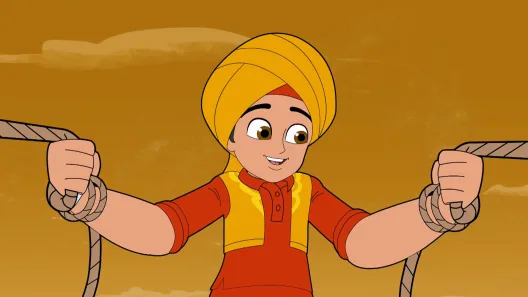
Chote Tara ka Bada Gadar marks a notable moment in Indian kids content as the animated title lands on ZEE5, reflecting the growing momentum of homegrown animation. The release highlights how Indian platforms are increasingly investing in locally rooted stories for young audiences.
The animated wave in India has been building steadily over the past few years, driven by changing viewing habits, affordable smart devices, and a demand for culturally familiar narratives. This latest release adds to that momentum at a time when kids viewing peaks during school holidays.
What Chote Tara Ka Bada Gadar Brings to the Table
Chote Tara ka Bada Gadar is positioned as a light hearted animated story aimed at younger viewers, combining humour, adventure, and moral lessons. The characters and settings are designed to feel familiar to Indian households, making the content accessible across regions.
Unlike imported animation that relies heavily on global tropes, this title leans into local sensibilities, language cues, and everyday situations. This approach increases relatability for children and comfort for parents who prefer culturally aligned content.
Platforms have observed that Indian animated titles tend to enjoy longer shelf life, with repeat viewing becoming a strong performance driver.
Why Indian Kids Content Is Gaining Attention
Indian kids content is seeing renewed focus due to a clear shift in consumption patterns. Children are now primary users of OTT platforms within households, especially in Tier 2 and Tier 3 cities where television and mobile screens often coexist.
Parents increasingly seek content that balances entertainment with values, language familiarity, and age appropriate storytelling. Indian animation meets this need more effectively than many global imports.
Additionally, regulatory awareness around children’s content has made platforms cautious about relying solely on foreign shows, encouraging greater investment in domestic productions.
Role of OTT Platforms in the Animation Boom
OTT platforms have become key enablers of India’s animation growth. Unlike traditional television, streaming services are not constrained by fixed time slots or rigid programming blocks.
This flexibility allows platforms to experiment with shorter formats, seasonal releases, and on demand availability. Animated content benefits from this model, as children often watch the same episodes repeatedly at different times of the day.
ZEE5 and other platforms are using animation to strengthen family viewing segments, which play a crucial role in subscriber retention.
Why Animation Works Well for Indian Audiences
Animation offers creative freedom that live action kids content often lacks. It allows creators to explore imaginative worlds without heavy production costs associated with sets, child actors, and location shoots.
For Indian audiences, animation also overcomes language and regional barriers more easily. Dubbing animated content is simpler and more effective, enabling a single title to reach multiple linguistic markets.
This scalability makes animation a cost efficient and high impact format, especially for platforms targeting nationwide reach.
Tier Two and Tier Three Cities Driving Growth
Much of the growth in Indian kids animation is coming from Tier 2 and Tier 3 cities. These markets show high engagement with family friendly content, particularly during weekends and holidays.
Limited access to theatres and live entertainment in smaller cities increases reliance on home based viewing. Animated shows become a default choice for parents seeking safe and engaging options for children.
Data trends indicate that kids content often records longer daily watch time in these regions compared to metros, reinforcing the commercial viability of animation investments.
Industry Perspective on the Animation Surge
Industry observers note that Indian animation is moving beyond mythological retellings and slapstick comedy. Newer titles focus on contemporary settings, everyday challenges, and relatable characters.
Studios are also improving technical quality, narrowing the gap with international productions. While budgets remain lower than global counterparts, storytelling and character design are becoming more refined.
Chote Tara ka Bada Gadar fits into this broader transition, offering content that is simple yet aligned with modern viewing expectations.
What This Means for the Future of Kids Content
The release of Chote Tara ka Bada Gadar signals confidence in Indian animation as a sustainable category rather than a niche experiment. Platforms are likely to expand animated libraries with sequels, spin offs, and franchise driven content.
Merchandising, educational extensions, and interactive formats may follow as platforms look to build long term value from animated properties.
As competition intensifies, original Indian animation could become a key differentiator for OTT platforms seeking to build loyal family audiences.
Why This Moment Matters Now
The timing of this release is significant. With global animation dominating children’s screens for years, Indian creators are reclaiming space through local storytelling and platform support.
This shift is not just about content volume but about narrative ownership. Indian animation is increasingly reflecting how children live, speak, and relate to the world around them.
Chote Tara ka Bada Gadar may be one title, but it represents a larger movement shaping the future of kids entertainment in India.
Takeaways
- Chote Tara ka Bada Gadar strengthens the presence of Indian animated kids content
- OTT platforms are driving growth through flexible and scalable distribution
- Tier 2 and Tier 3 cities play a major role in kids content consumption
- Indian animation is evolving beyond traditional formats
FAQs
Who is the target audience for Chote Tara ka Bada Gadar?
The animated title is primarily aimed at young children and family viewers.
Why is Indian animation gaining popularity now?
Affordable devices, parental preference for local content, and OTT expansion are key factors.
How do OTT platforms benefit from kids animation?
Kids content drives repeat viewing and strengthens family subscription retention.
Is Indian animation competing with global content?
Yes, Indian animation is increasingly competing by offering culturally relevant stories.










Leave a comment