

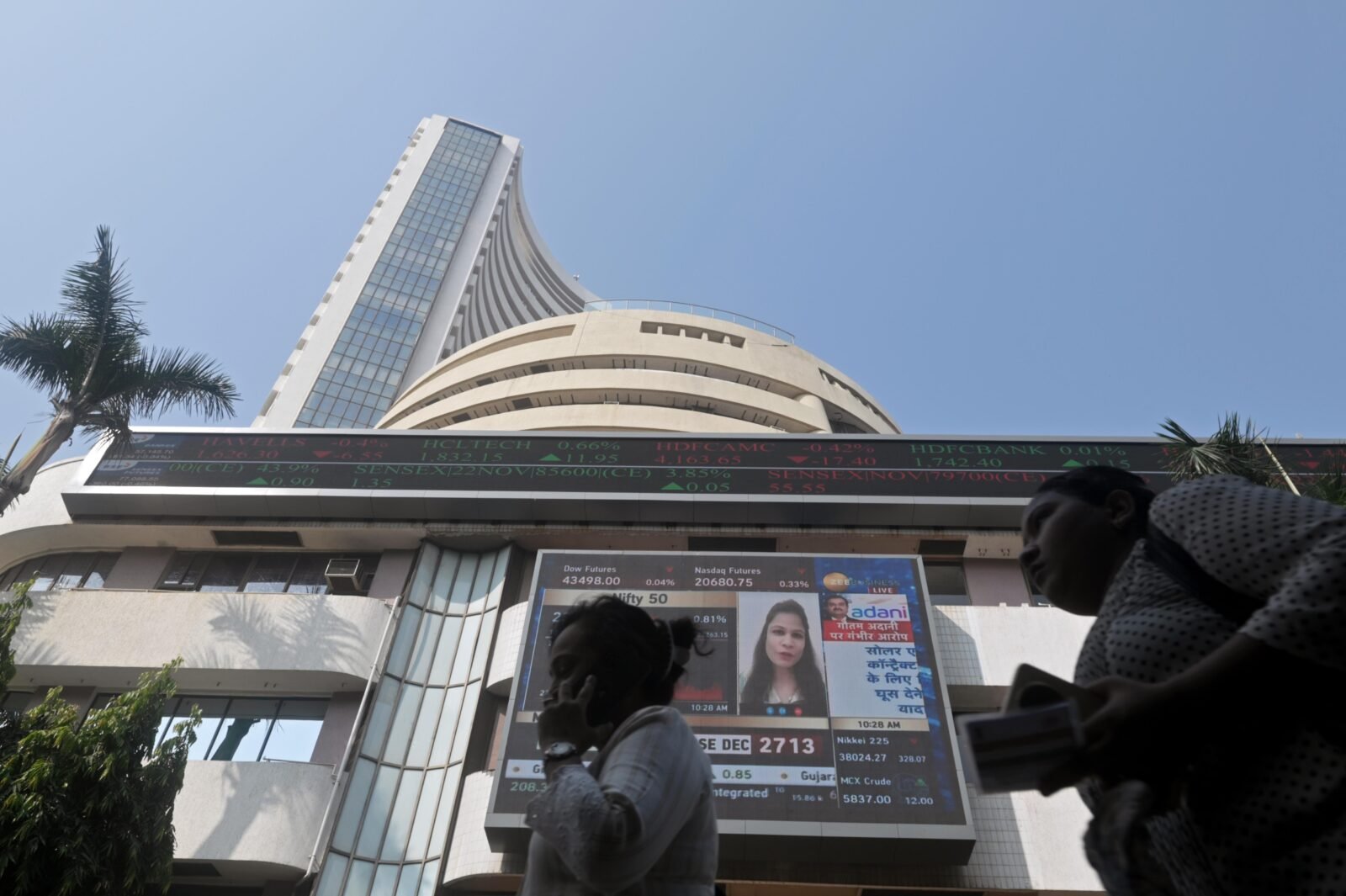
The Indian markets close 2025 with gains as steel tariffs and sector specific tailwinds powered a late year rally, particularly across small and mid cap stocks. The market finish reflected policy support, sector rotation, and renewed domestic investor confidence rather than broad based global cues.
This topic is time sensitive and linked to year end market closure and recent policy developments. The tone remains news focused with analytical depth.
Indian equity benchmarks ended the year on a positive note after weeks of consolidation, with metal stocks playing a decisive role in lifting sentiment during the final stretch of 2025.
How Steel Tariffs Shaped the Year End Market Move
Steel tariffs emerged as a key trigger behind the year end momentum. Restrictions on low priced imports and supportive trade measures improved pricing power for domestic steel producers, strengthening earnings visibility.
Investors responded quickly to the clarity. Steel and allied sectors saw renewed buying as margin expectations improved. This confidence spilled over into capital goods, infrastructure, and engineering stocks that are closely linked to metal pricing cycles.
The tariff impact was not limited to large players. Mid sized steel companies and downstream manufacturers benefited from improved order flows and better cost predictability, which fed into broader market optimism.
Small and Mid Cap Stocks Outperform Benchmarks
One of the defining features as Indian markets close 2025 with gains was the strong performance of small and mid cap stocks. After a volatile mid year phase marked by valuation concerns, these segments rebounded sharply in the final quarter.
Domestic institutional investors and retail participants increased allocations to fundamentally strong mid caps, especially in manufacturing, metals, logistics, and industrial services. Many of these companies are direct beneficiaries of infrastructure spending and import substitution policies.
The rally was selective rather than speculative. Stocks with weak balance sheets or stretched valuations continued to face selling pressure, indicating a more disciplined phase of participation compared to earlier cycles.
Sector Rotation Played a Crucial Role
Sector rotation was central to the year end rally. As IT and FMCG stocks remained range bound due to global uncertainty and margin pressure, capital intensive sectors gained prominence.
Steel, cement, power, and construction related stocks attracted inflows as investors positioned for continued domestic demand. Banking and financials provided stability, but the upside came largely from cyclicals.
This rotation reflects a broader theme. Investors favored sectors aligned with government policy visibility and domestic consumption rather than export led narratives vulnerable to global slowdown risks.
Domestic Investors Drove Market Stability
Another important factor behind the positive close was the consistent role of domestic investors. Systematic investment plan inflows remained steady through the year, providing a strong base during periods of foreign selling.
As Indian markets close 2025 with gains, it is evident that domestic participation reduced volatility. Retail investors showed greater maturity, avoiding panic selling during corrections and focusing on long term themes.
This shift has structural implications. Markets are becoming less dependent on foreign flows for short term direction, improving resilience during global uncertainty.
What the Rally Signals About Market Confidence
The late year rally signals confidence in India’s medium term growth outlook rather than short term speculation. Steel tariffs acted as a catalyst, but the underlying support came from strong domestic demand indicators and policy continuity.
Corporate earnings in cyclical sectors showed early signs of recovery. Order books in infrastructure and manufacturing remained healthy, reinforcing expectations of stable revenue growth into 2026.
At the same time, valuations remain a point of attention. While small and mid caps performed well, investors appear cautious about overextending positions without earnings support.
Risks That Investors Are Still Watching
Despite the positive close, risks remain on the radar. Global commodity price volatility, geopolitical uncertainty, and interest rate expectations could influence market direction in early 2026.
Steel tariffs may face review depending on global trade dynamics, which could affect margins. Additionally, any slowdown in infrastructure spending would impact cyclical stocks that led the rally.
Markets ended the year optimistic but not complacent. The tone remains constructive with an emphasis on selective stock picking rather than broad based euphoria.
What Lies Ahead for 2026
As Indian markets close 2025 with gains, the focus shifts to earnings delivery. Investors will watch whether policy driven optimism translates into sustained profit growth.
Small and mid cap stocks are expected to remain in focus, but volatility may increase as valuations normalize. Sector leadership could rotate again depending on global and domestic cues.
Overall, the year end close reflects confidence in India’s structural story, supported by domestic capital and targeted policy measures rather than short term liquidity spikes.
Takeaways
- Steel tariffs acted as a catalyst for year end market gains
- Small and mid cap stocks outperformed through selective buying
- Domestic investors played a stabilizing role throughout 2025
- Market optimism is grounded in policy clarity and demand visibility
FAQs
Why did Indian markets rise at the end of 2025?
Supportive steel tariffs, sector rotation, and strong domestic investor participation drove the late year rally.
Which stocks benefited the most from the rally?
Small and mid cap stocks in steel, infrastructure, and manufacturing segments saw the strongest gains.
Did foreign investors drive this move?
Domestic investors were the primary support, while foreign flows remained selective.
Is the rally sustainable in 2026?
Sustainability will depend on earnings growth, policy continuity, and global economic conditions.











Leave a comment