

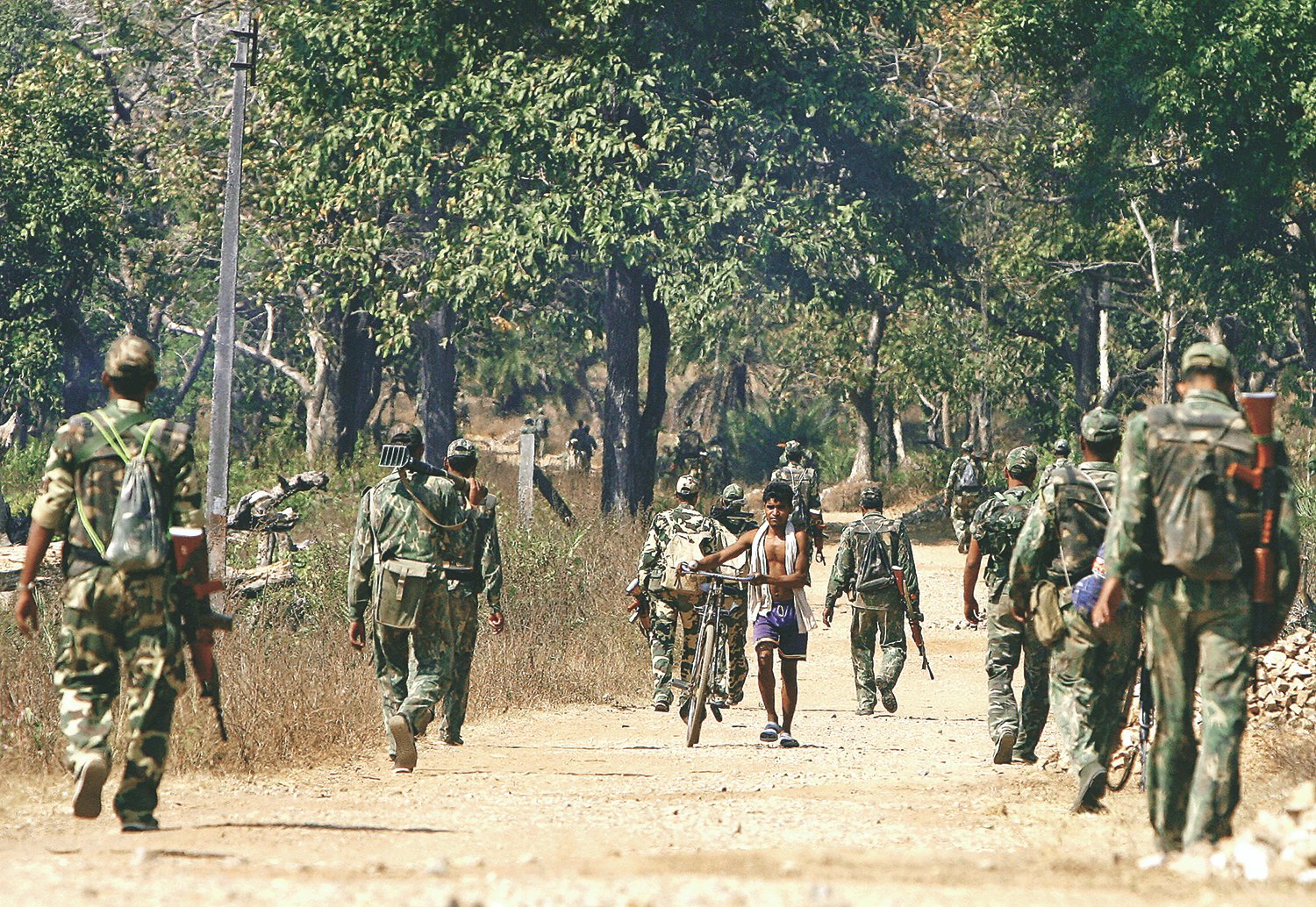
Sukma encounter aftermath has brought renewed focus on the security situation and tribal area responses in southern Chhattisgarh. The incident is time sensitive and reflects ongoing challenges in balancing counterinsurgency operations with civilian safety and development priorities in conflict affected regions.
Short summary paragraph
The aftermath of the Sukma encounter has led to heightened security deployment and mixed reactions from tribal communities. While forces remain on alert to prevent further violence, the episode has reopened debates on trust, development gaps, and long term stability in Maoist affected areas.
What happened and why Sukma remains sensitive
The Sukma encounter aftermath must be understood in the context of the district’s long history of insurgency. Sukma lies in a forested belt where security forces and Maoist groups have clashed repeatedly over the years. The latest encounter occurred during an operation aimed at tracking armed cadres active in the region.
Such encounters are rarely isolated events. They often trigger follow up operations, intelligence reassessment, and movement restrictions across nearby villages. Security agencies treat the immediate aftermath as a high risk window, anticipating retaliation or attempts to regroup by armed groups.
For local residents, these periods bring uncertainty. Movement restrictions, intensified patrolling, and temporary camp expansions directly affect daily routines in tribal hamlets.
Security situation after the encounter
Following the Sukma encounter, security forces increased area domination exercises across forest routes and village peripheries. Checkpoints were reinforced, and joint patrols were intensified to prevent further incidents. Intelligence units focused on tracking communication and movement patterns linked to armed groups.
The immediate security priority is to avoid escalation. Forces aim to deter retaliatory attacks while ensuring supply lines and road connectivity remain open. Road opening patrols play a critical role in maintaining access for civilians and administrative services.
However, heightened security presence can also create friction with local communities. Frequent searches and restricted movement, even when precautionary, contribute to stress among residents who already live under fragile conditions.
Tribal area responses and community sentiment
Tribal area responses to the Sukma encounter aftermath have been cautious and complex. Many villagers express concern about safety rather than political alignment. For them, stability means uninterrupted access to forests, markets, and basic services.
In some villages, elders and local representatives have urged both sides to avoid bringing conflict closer to civilian settlements. Fear of being caught between armed groups and security forces remains a dominant sentiment.
At the same time, distrust toward external authority persists due to years of conflict. Any security action is closely watched, and perceived excesses can quickly erode fragile trust built through welfare outreach and development programs.
Impact on daily life and local economy
The security situation after the Sukma encounter has disrupted routine economic activity. Weekly markets, forest produce collection, and small scale trading slow down when movement becomes uncertain. For tribal households dependent on daily forest access, even short disruptions affect income.
Transport services often operate irregularly during such periods. Goods movement becomes cautious, leading to temporary shortages or price fluctuations in remote areas. Schools and health outreach programs may also adjust schedules due to security advisories.
These disruptions highlight the interconnected nature of security and livelihoods. Even when operations target armed groups, the ripple effects reach ordinary citizens who have limited buffers against income loss.
Administrative response and development balance
The Sukma encounter aftermath places pressure on district administration to balance security with governance. Officials typically increase coordination with security forces to ensure essential services continue. Health camps, ration distribution, and welfare delivery become critical signals of state presence beyond policing.
Development programs in conflict areas often slow during heightened security phases. Contractors hesitate to operate, and monitoring visits are reduced. This creates a cycle where lack of development feeds discontent, and discontent fuels instability.
Breaking this cycle requires sustained administrative engagement even during tense periods. Visible governance helps counter narratives that conflict zones receive attention only during violence.
Long term security strategy in tribal regions
The Sukma encounter aftermath feeds into broader debates on counterinsurgency strategy. Security experts argue that operations must combine intelligence driven action with community engagement. Purely force based approaches risk alienating populations whose cooperation is essential for lasting peace.
Tribal regions require tailored strategies that respect local culture, land rights, and livelihoods. Programs that strengthen local governance, education, and healthcare reduce the space for armed influence over time.
Security forces increasingly emphasise civic action initiatives to build trust. However, consistency matters more than symbolism. One encounter can undo months of outreach if not followed by transparent communication and restraint.
Political and social undercurrents
Encounters in districts like Sukma often trigger political reactions at the state level. Demands for accountability, compensation, or policy review emerge depending on the circumstances. Civil society groups monitor developments closely, especially regarding civilian impact.
For tribal communities, political debates often feel distant. Their immediate concern remains safety and continuity of life. Any long term solution must bridge this gap between high level discourse and ground realities.
The Sukma encounter aftermath underscores how security incidents resonate beyond tactical outcomes. They shape perceptions, trust, and the trajectory of governance in sensitive regions.
What lies ahead for Sukma
In the coming days, security operations are likely to continue in a calibrated manner. Authorities will assess whether the encounter has disrupted insurgent networks or triggered further risk.
For residents, the hope is a quick return to normalcy. Sustained peace depends on whether security measures are followed by administrative outreach and economic stability.
The situation in Sukma remains a reminder that conflict management in tribal areas requires patience, coordination, and empathy alongside enforcement.
Takeaways
- The Sukma encounter has led to heightened security and restricted movement.
- Tribal communities remain focused on safety and livelihood continuity.
- Economic and service disruptions follow even short security escalations.
- Long term stability depends on balancing security with development and trust.
FAQs
Why is Sukma frequently affected by encounters?
Its forested terrain and historical insurgent presence make it a sensitive security zone.
How does an encounter affect local villagers?
Movement restrictions and fear disrupt daily work, markets, and access to services.
Are development activities halted after such incidents?
They often slow temporarily due to security concerns but usually resume gradually.
What helps improve security in tribal areas long term?
A combination of intelligence led operations, consistent governance, and community engagement.









Leave a comment