

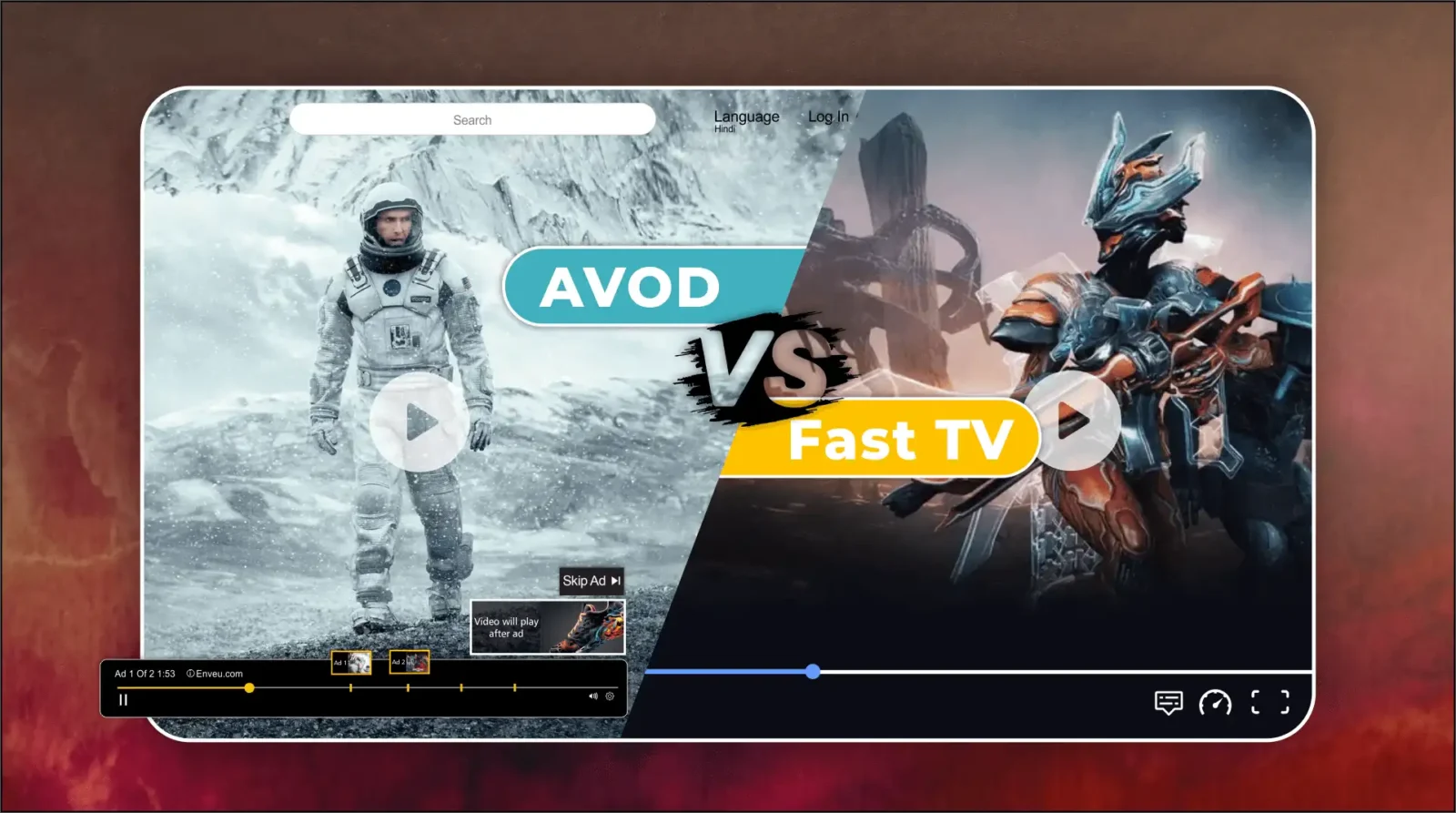
Free streaming models are reshaping video consumption in Tier-2 India. AVOD platforms are gaining ground over SVOD as viewers prioritise affordability, local content, and low-commitment access. This shift reflects deeper changes in spending behaviour, language preferences, and digital maturity outside metros.
Understanding the intent and category
This topic is evergreen with a strong current relevance. The core intent is informational and explanatory, supported by ongoing consumption trends rather than a single breaking event. The tone below focuses on clarity, context, and practical insight rather than short-term news reporting.
What AVOD and SVOD mean in the Indian context
AVOD stands for Advertising Video on Demand. Users watch content for free while platforms earn through ads. SVOD refers to Subscription Video on Demand, where viewers pay monthly or yearly fees for ad-free access. In metro India, SVOD built early momentum through premium originals and bundled pricing. In Tier-2 India, the economics work differently.
In smaller cities, households often share one or two screens, data budgets are closely monitored, and discretionary spending on entertainment competes with essentials. AVOD fits this environment better. It removes the payment barrier while still delivering movies, shows, and live content. Viewers tolerate ads if the content feels relevant and accessible.
Affordability drives AVOD adoption in Tier-2 markets
Affordability is the single biggest reason AVOD is winning in Tier-2 India. Even low-cost subscriptions add up when users juggle multiple apps. Free platforms eliminate friction. There is no card requirement, no renewal anxiety, and no perceived risk.
For first-time OTT users, especially older family members, AVOD feels familiar. It mirrors traditional television where ads were accepted as part of viewing. This psychological comfort matters. In many Tier-2 homes, AVOD becomes the default choice on smart TVs and shared mobile devices.
Data costs are no longer the main barrier, but spending discipline remains strong. Users are selective about what they pay for. They are more likely to subscribe temporarily for a specific show and then return to free platforms for everyday viewing.
Regional content and language depth favour AVOD platforms
Regional content availability is another decisive factor. Tier-2 audiences prefer Hindi, Tamil, Telugu, Marathi, Bengali, and other regional languages over English-heavy catalogs. Many AVOD platforms invest aggressively in dubbed films, regional TV libraries, and local news clips.
SVOD platforms do offer regional originals, but much of their premium content strategy still targets urban sensibilities. AVOD platforms focus on volume and familiarity. Daily soaps, comedy clips, devotional content, and older hit movies perform consistently well.
This content mix aligns with shared family viewing. AVOD platforms optimise for broad appeal rather than niche binge audiences. In Tier-2 India, that strategy scales faster.
Device usage and viewing habits support free models
Viewing behaviour in Tier-2 India is fragmented. Short sessions dominate. Users dip in and out between work, travel, and household routines. AVOD supports this pattern better than SVOD, which is designed for longer, immersive viewing.
Smart TVs are growing in Tier-2 homes, but mobile remains primary. Free apps are often pre-installed or aggressively promoted through device partnerships. This distribution advantage helps AVOD platforms reach users before subscription apps are even considered.
Another factor is account sharing fatigue. SVOD platforms restrict simultaneous logins or raise prices. AVOD avoids these issues entirely. Anyone can watch, anytime.
Advertisers follow attention into Tier-2 India
From a business perspective, AVOD growth is reinforced by advertiser demand. Brands want reach in Tier-2 and Tier-3 markets where consumption is rising fastest. AVOD offers measurable impressions, regional targeting, and lower entry costs for advertisers.
As ad tech improves, platforms can serve fewer but more relevant ads. This improves user tolerance and increases ad effectiveness. Over time, better targeting reduces the annoyance factor that once made ads a deal-breaker.
SVOD platforms rely heavily on subscription growth. In price-sensitive markets, this caps expansion. AVOD scales with users, not wallets.
Will SVOD disappear from Tier-2 India
SVOD will not disappear, but its role will be more selective. Users will subscribe for marquee shows, sports, or limited periods. AVOD will dominate everyday viewing.
The future likely belongs to hybrid models that combine free tiers with optional upgrades. Tier-2 India is teaching streaming platforms an important lesson. Access matters more than exclusivity.
Takeaways
AVOD wins in Tier-2 India due to affordability and zero payment friction
Regional language depth gives free platforms a content advantage
Short, shared viewing habits align better with ad-supported models
SVOD will survive as a selective, event-driven choice rather than a default
FAQs
What is AVOD and why is it popular in Tier-2 India?
AVOD offers free streaming supported by ads. It is popular because it removes subscription costs and fits price-sensitive viewing habits.
Is SVOD failing in smaller Indian cities?
SVOD is not failing, but growth is slower. Users subscribe selectively rather than maintaining multiple long-term plans.
Do viewers in Tier-2 India mind ads?
Most viewers accept ads if content is relevant and free. Familiarity with TV advertising reduces resistance.
Will hybrid OTT models dominate the future?
Yes. Platforms combining free access with optional paid upgrades are best positioned for Tier-2 and Tier-3 growth.











Leave a comment