

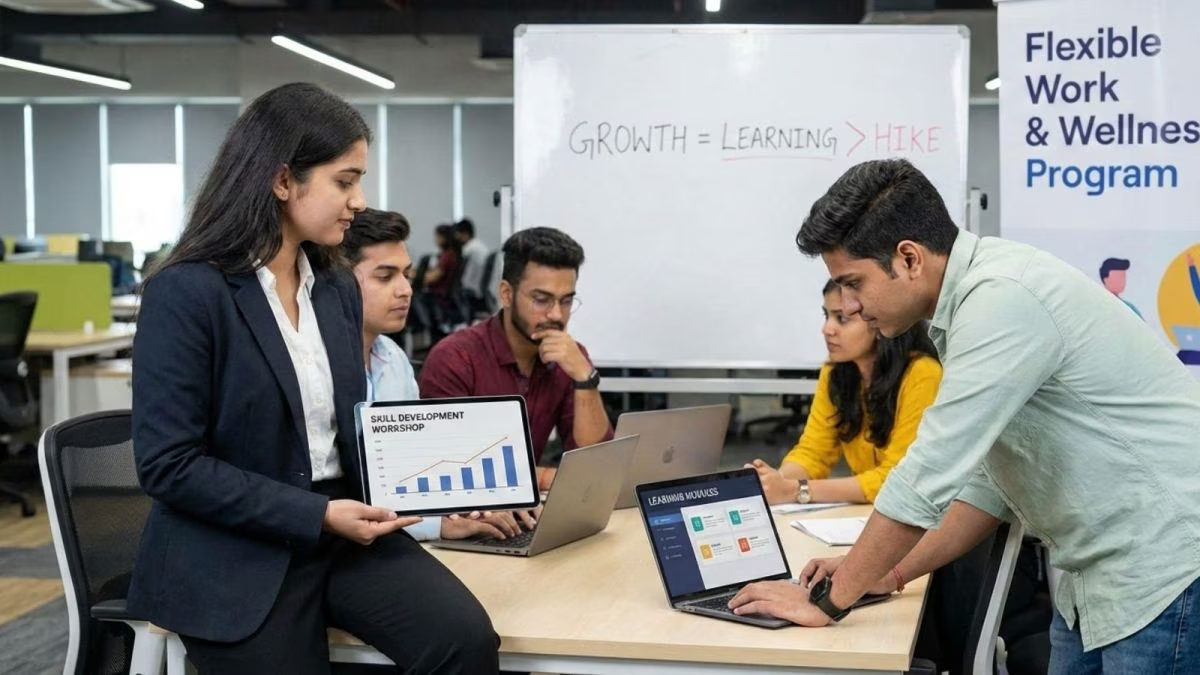
Best career paths in India’s evolving tech landscape are changing rapidly, especially for Gen Z from Tier two towns. Access to digital education, remote work, and startup hiring has reduced metro dependence, but choosing the right path now depends on skills, adaptability, and understanding where demand is actually growing.
This topic is evergreen and educational. The focus is on long term career viability rather than short term hiring cycles.
How India’s tech landscape is shifting beyond metros
India’s tech ecosystem is no longer concentrated only in Bengaluru, Hyderabad, or Gurugram. Tier two towns are now active contributors to software services, IT operations, and digital product development.
Factors driving this shift include affordable internet, cloud based work tools, and companies embracing distributed teams. Startups and mid sized tech firms increasingly hire from Tier two locations to manage costs and retain talent.
For Gen Z, this means career access without forced migration. However, the landscape rewards role specific skills rather than generic tech degrees. Understanding where demand is moving is critical before choosing a path.
Software development roles with sustained demand
Software development remains a core career path, but the nature of roles has evolved. Full stack development, backend engineering, and mobile app development continue to offer strong entry points.
Employers now value practical coding ability over formal credentials. Gen Z candidates from Tier two towns who build real projects, contribute to open source, or complete internships often compete effectively with metro peers.
Languages and frameworks matter less than problem solving skills and system understanding. Companies also expect developers to work with APIs, cloud platforms, and basic DevOps workflows.
Remote friendly software roles are likely to remain stable over the next decade.
Data, analytics, and AI support careers
Not all tech careers require building AI models. Data analytics, data engineering support, and AI operations roles are growing steadily.
These roles focus on data cleaning, dashboard creation, model monitoring, and system maintenance. They are well suited for Tier two talent because they rely more on applied skills than advanced research.
Industries like ecommerce, logistics, fintech, and healthcare increasingly depend on data driven decisions. This creates consistent demand for analysts who understand business context along with tools.
Gen Z candidates who learn SQL, data visualization, and basic machine learning concepts gain access to stable and scalable career paths.
Cybersecurity and IT infrastructure roles
As digital adoption grows, cybersecurity and infrastructure management have become critical. These roles often go unnoticed but offer long term security and growth.
Careers in network administration, cloud security, and compliance monitoring are expanding due to regulatory requirements and rising cyber threats.
Tier two towns are seeing increased demand from regional banks, government projects, and mid sized enterprises that need secure systems.
These roles reward discipline, certifications, and continuous learning rather than flashy portfolios. For Gen Z looking for steady progression, cybersecurity offers strong prospects.
Product, QA, and tech operations careers
Not every tech career involves heavy coding. Product operations, quality assurance, and tech support roles form the backbone of tech companies.
QA engineers ensure software reliability, while product operations roles bridge business and technical teams. These positions require analytical thinking, communication, and attention to detail.
For Gen Z from Tier two towns, these roles provide entry into tech without long ramp up periods. Many professionals transition from QA or operations into product management or engineering later.
Companies value candidates who understand users and workflows, not just code.
Digital roles linked to tech ecosystems
India’s tech growth has also created hybrid roles combining technology with marketing, design, and operations.
Careers in UI UX design, growth analytics, performance marketing technology, and CRM management are expanding rapidly.
These roles suit Gen Z candidates who are comfortable with tools, experimentation, and user behavior analysis. They are particularly relevant for startups and ecommerce firms hiring remotely.
Tier two talent with strong digital literacy and portfolio based proof often progresses quickly in these roles.
Skills that matter more than degrees
Across all tech career paths, skills now outweigh college brand names. Employers look for problem solving ability, learning speed, and execution mindset.
Self learning through online platforms, internships, freelancing, and project work plays a decisive role. English communication, documentation ability, and collaboration skills also influence career growth.
Gen Z candidates who build public portfolios, participate in hackathons, or contribute to communities gain visibility beyond geography.
The ability to adapt matters more than choosing a perfect first role.
Challenges Gen Z from Tier two towns must manage
While opportunities have expanded, challenges remain. Limited local mentorship, fewer offline networks, and exposure gaps can slow early growth.
Another risk is chasing trending skills without understanding fundamentals. Short term hype driven choices often lead to saturation.
Gen Z professionals must balance ambition with patience. Sustainable careers are built through depth, not constant switching.
Access to peer communities and online mentorship can help bridge gaps.
Long term outlook for tech careers in Tier two India
The long term outlook remains positive. As companies decentralize operations, Tier two towns will play a larger role in India’s digital economy.
Government digitization, startup expansion, and global remote work trends support this shift. However, competition will increase as access widens.
Gen Z professionals who focus on skill quality, adaptability, and ethical work practices will stay relevant.
Tech careers are no longer location bound, but performance bound.
Takeaways
Tier two towns now offer real access to India’s growing tech ecosystem
Software, data, cybersecurity, and operations roles show sustained demand
Skills, projects, and adaptability matter more than degrees or location
Long term success depends on depth and continuous learning
FAQs
Can Gen Z from Tier two towns compete with metro candidates?
Yes. Skill based hiring and remote work models have reduced location disadvantages significantly.
Which tech career is safest long term?
Roles linked to core systems such as software engineering, data operations, and cybersecurity offer long term stability.
Do these careers require expensive education?
No. Most roles can be accessed through affordable online learning, projects, and certifications.
Is relocation to metros still necessary?
Not always. Many roles now allow remote or hybrid work, especially in startups and global teams.









Leave a comment