


The arrival of a new municipal administration is more than a political transition. For the business community, it represents a rare and critical opportunity to align city governance with industrial ambition. While large-scale initiatives like AURIC have placed Chhatrapati Sambhajinagar on the global investment map, the true strength of our economy lies within the city itself, in its MSMEs, traders, workshop owners, and first-generation entrepreneurs.
If we genuinely want to accelerate Udyog (industry) in Chhatrapati Sambhajinagar, the Municipal Corporation must move beyond routine administration and evolve into an active partner in economic development. Below is a clear, execution-focused roadmap for how the new administration can unlock industry-led growth.
1. A Business-First Digital Window
For any entrepreneur, the biggest barrier is not ambition, it is bureaucracy. The city needs a dedicated digital industrial portal that simplifies and accelerates approvals.
- Automated licensing: Trade licenses, fire NOCs, and building permissions must move to a time-bound, fully online system.
- End-to-end transparency: Every application should be trackable. Removing physical touchpoints reduces delays and corruption, restoring confidence among small businesses to invest and expand.
2. Strengthening the ‘Buy Local’ Ecosystem
A local-first economy needs institutional backing. The Municipal Corporation itself is a major buyer of goods and services.
- Vendor preference: Local MSMEs should receive structured preference in municipal procurement, provided quality and compliance norms are met.
- Local networking hubs: Quarterly Udyog Melas hosted by the CSMC can connect city-based manufacturers with larger industries in Waluj, Shendra, and Chikalthana, turning proximity into opportunity.
3. Infrastructure That Powers Production
Industry cannot grow on broken roads or uncertain utilities. Infrastructure must be treated as a growth enabler, not just a civic obligation.
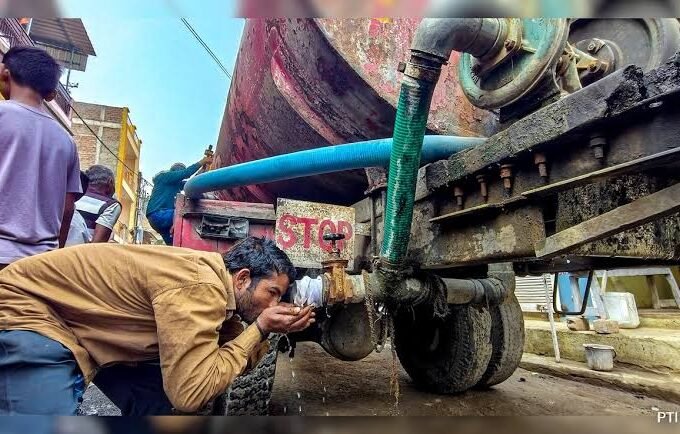
- Industrial feeders: Dedicated, uninterrupted water and power supply to small industrial clusters within city limits is essential.
- The 60-metre vision: Priority development of arterial roads, especially corridors linking Paithan Road and Harsul – will ease logistics. Traffic delays are a hidden tax on every entrepreneur.
4. Creating Micro-Industrial Zones
Not every business fits into a large MIDC plot. There is strong demand for flatted factory complexes within the city for service industries, IT startups, and light manufacturing.
By using municipal land to create plug-and-play workspaces, the administration can significantly lower entry barriers for young entrepreneurs who cannot afford high real estate costs.
5. Tourism as a Serious Industry
Tourism must be viewed as a service industry, not just sightseeing. Cleaner streets, safer public spaces, and digital signage directly support entrepreneurs in hospitality, transport, retail, and handicrafts, creating jobs across the value chain.
A city that supports its shopkeepers, workshop owners, and innovators is a city that never stays poor.
Conclusion
The role of a Municipal Corporation has changed. It is no longer limited to maintaining infrastructure, it must actively create conditions where wealth is generated. My message to the new leadership is simple: empower entrepreneurs, and they will build the city’s future.
I look forward to working closely with the administration to help Chhatrapati Sambhajinagar emerge as the most business-friendly city in Maharashtra.
Milind Pote
Entrepreneur & Visionary for Local Growth







Leave a comment