


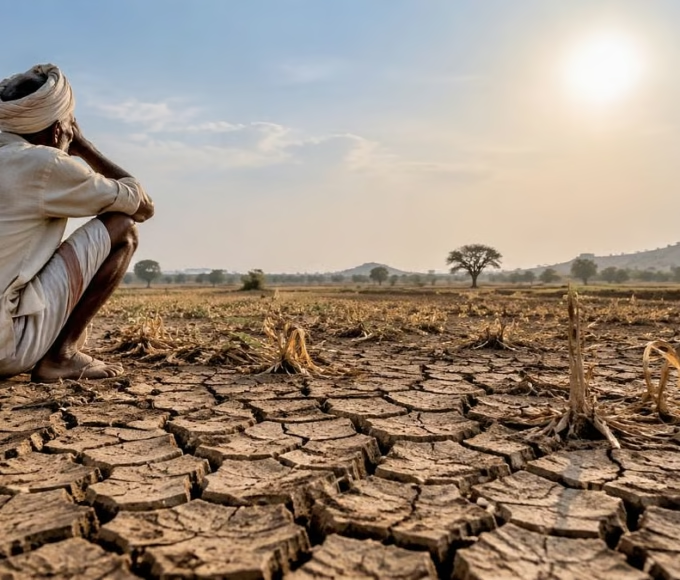
A hotter, drier February threatens winter crops across Punjab, Haryana and MP farming belts, raising immediate risks for yields, quality and farm incomes. Unseasonal warmth during the grain-filling stage compresses growth cycles, while moisture stress limits recovery options in irrigated and rain-dependent fields.
Why February Weather Matters for Rabi Crops
The main keyword hotter, drier February is central to rabi crop performance because February typically supports slow, steady grain development. Wheat, mustard and gram rely on cool nights and moderate daytime temperatures to fill grains properly. When temperatures rise early, crops mature faster, shortening the grain-filling window. This reduces kernel weight and overall yield.
Lower humidity compounds the problem. Evapotranspiration increases, pulling moisture from soil faster than usual. In canal-irrigated tracts of Punjab and Haryana, farmers can partly offset losses with additional watering. In MP’s mixed irrigation zones, especially soybean-wheat rotations in Malwa and Bundelkhand, moisture stress is harder to manage. The result is uneven crop growth and higher vulnerability to pests that thrive in warmer conditions.
Punjab and Haryana Wheat Belts Under Pressure
Punjab and Haryana winter crop stress is most visible in wheat, the dominant rabi crop. Daytime temperatures above seasonal norms push wheat into early maturity. This reduces test weight, a key quality parameter for procurement. Farmers report more frequent irrigation cycles to cool fields, which increases power and diesel costs.
Mustard in northern Haryana faces similar risks. Warmer days reduce oil content if flowering overlaps with heat spikes. Farmers who delayed sowing to manage residue or water availability are hit harder, as late-sown crops are less resilient to sudden warmth. The cumulative effect is lower market realizations even if total acreage remains stable.
Madhya Pradesh Faces Uneven Impact Across Regions
MP farming belts show varied exposure. Malwa’s irrigated wheat zones can manage short heat spells, but prolonged dryness strains groundwater-dependent farms. In Bundelkhand and Vindhya regions, gram and lentils face flower drop when temperatures rise during pod formation. This directly cuts yields.
Mustard belts in Morena and adjoining districts also face moisture stress. Light soils lose water quickly, forcing farmers to choose between extra irrigation and cost containment. Where irrigation is skipped, crop size and oil recovery fall. These micro-level losses add up at the state level, affecting overall rabi output.
Moisture Stress, Pests and Disease Dynamics
Hotter, drier February conditions alter pest pressure. Aphids and mites multiply faster in warm, dry weather, especially in mustard and wheat. Farmers respond with additional sprays, raising input costs and residue concerns. Meanwhile, some fungal diseases reduce due to low humidity, creating a false sense of security while pest risks rise.
Soil health also plays a role. Fields with higher organic matter retain moisture longer, buffering heat stress. Overworked soils common in intensive wheat belts dry out faster. This highlights why soil management has become a climate resilience issue, not just a productivity concern.
Economic and Policy Implications for Farmers
Winter crop losses in Punjab, Haryana and MP have broader implications. Lower wheat yields affect procurement volumes and quality grades, influencing public stocks and open-market prices. For farmers, reduced output combined with higher irrigation and pest control costs compress margins.
Short-term advisory responses focus on timely irrigation, anti-transpirant sprays and avoiding excess nitrogen during heat spells. Longer-term, the pattern reinforces the need for heat-tolerant varieties, adjusted sowing windows and diversified crop rotations. Policymakers are watching February trends closely because repeated warm winters could force structural changes in rabi planning.
What This Means for the Rest of the Season
If warmer conditions persist into early March, late-sown crops face the highest downside risk. Early-sown fields may escape with moderate losses, but quality penalties could still apply. Rainfall events could provide temporary relief, yet isolated showers rarely offset sustained heat.
The 2026 rabi season thus enters a critical phase. Weather in the next few weeks will decide whether yield losses remain localized or spread across major grain-producing belts.
Takeaways
- Hotter, drier February shortens grain-filling stages, reducing wheat and mustard yields
- Punjab and Haryana face quality risks despite irrigation access
- MP’s mixed irrigation zones show uneven but significant crop stress
- Rising input costs add to income pressure for rabi farmers
FAQs
Why does early heat affect wheat more than other crops?
Wheat is highly sensitive during grain filling. Early heat accelerates maturity, cutting grain weight and quality.
Can extra irrigation fully offset heat stress?
Irrigation helps but cannot fully reverse damage caused by high temperatures during critical growth stages.
Which crops are most vulnerable in MP right now?
Late-sown wheat, gram and mustard in moisture-stressed districts face the highest risk.
Is this pattern becoming more frequent?
Yes, warmer winters and erratic February weather have occurred more often, increasing climate-related risks for rabi farming.











Leave a comment