

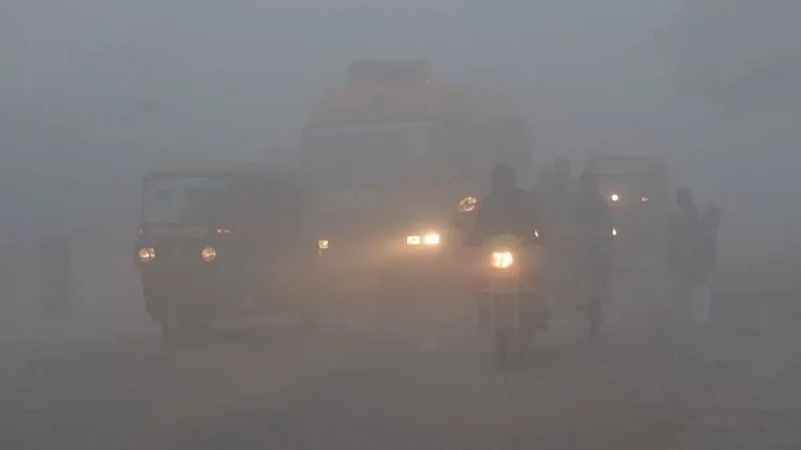
Dense fog and weather alerts in North India have triggered widespread disruption across rural roads, schools, and transport networks. Visibility levels dropping sharply have raised safety concerns, forced administrative restrictions, and altered daily routines in villages and small towns across multiple states.
Why Dense Fog Conditions Have Intensified in North India
Dense fog and weather alerts in North India are the result of a seasonal combination of low wind speed, high moisture, and prolonged cold conditions. During winter months, temperature inversion traps moisture close to the ground, allowing fog to thicken overnight and persist through morning hours.
In rural belts, open fields, canals, and low lying terrain worsen the problem. Unlike urban areas with heat islands and better lighting, villages experience near zero visibility for longer durations. This makes early morning travel especially dangerous.
Weather alerts issued over recent days indicate recurring fog spells rather than isolated incidents. This pattern increases cumulative risk as repeated exposure leads to fatigue among drivers, delayed services, and growing pressure on local administrations to intervene.
Impact on Rural Roads and Highway Safety
Rural roads are among the worst affected during dense fog episodes. Narrow carriageways, lack of dividers, and minimal reflective signage reduce reaction time for drivers. Tractor trolleys, two wheelers, and unlit vehicles dominate rural traffic, compounding accident risk.
Several districts reported temporary restrictions on heavy vehicle movement during peak fog hours. Local police increased patrolling near accident prone stretches, school zones, and highway junctions connecting villages to district headquarters.
The safety concern extends beyond collisions. Pedestrians walking to fields, dairy collection points, or local markets face serious visibility hazards. In many areas, advisory notices urged villagers to delay travel until visibility improves, though economic necessity often limits compliance.
School Closures and Academic Schedule Disruptions
Dense fog and weather alerts in North India have led to delayed school timings and temporary closures in rural districts. Morning visibility below safe thresholds made it risky for children to travel long distances, often on foot or by shared transport.
Government schools in villages are particularly vulnerable as students rely on walking paths, bicycles, or overcrowded vans. Delayed start times were introduced to allow fog to lift, but this shortened instructional hours and disrupted exam preparation schedules.
Parents in smaller towns expressed concern over repeated disruptions affecting syllabus completion. Education authorities balanced safety with continuity by issuing flexible attendance guidelines and advising schools to adjust lesson plans rather than rush coverage.
Transport Services and Supply Chain Effects
Public transport services across North India faced frequent delays due to fog related restrictions. Rural bus services, which already operate on limited frequency, were either suspended or delayed during early morning hours. This affected workers, students, and patients traveling to nearby towns.
Rail services also experienced reduced speeds in fog prone zones, impacting passenger and freight movement. For rural economies, delays in transporting milk, vegetables, and perishable goods created short term losses.
Logistics operators serving small towns implemented staggered dispatch timings and increased buffer periods. While these measures improved safety, they increased operational costs and slowed delivery cycles, affecting local trade.
Safety Advisories and Administrative Response
In response to dense fog and weather alerts in North India, district administrations issued advisories focusing on road safety and public awareness. Key instructions included use of fog lights, reduced speed limits, and avoidance of non essential travel during early hours.
Local authorities coordinated with school departments, transport officials, and health services to ensure readiness. Emergency response teams were placed on alert to handle accidents or medical emergencies during low visibility periods.
In some rural areas, temporary checkpoints were set up to regulate traffic flow. Community announcements through local networks helped spread safety messages quickly, highlighting the role of decentralized communication in rural crisis management.
What Residents Should Expect in Coming Days
Weather patterns suggest that fog conditions may continue intermittently until a shift in wind or temperature occurs. Rural residents should prepare for recurring disruptions rather than one time events.
Safety awareness remains the most effective mitigation. Adjusting travel schedules, using reflective clothing, and ensuring vehicle lights are functional can significantly reduce risk. Schools and transport operators are expected to maintain flexible planning until conditions stabilize.
Dense fog may be seasonal, but its impact on rural safety and livelihoods is significant. Continued coordination between weather agencies, local administrations, and communities is essential to minimize harm.
Takeaways
Dense fog has severely reduced visibility across rural North India
Road safety risks are highest on village roads and highways
Schools and transport services have adjusted schedules to manage safety
Public advisories and local coordination remain critical during fog spells
FAQs
Why does dense fog affect rural areas more than cities
Rural areas lack heat retention, lighting, and infrastructure that help disperse fog, causing longer periods of low visibility.
Are schools likely to remain closed if fog continues
Schools may continue delayed timings or short closures depending on visibility levels and local administration decisions.
How can villagers stay safe during dense fog
Avoid early morning travel, use lights and reflective gear, and follow local advisories strictly.
Will transport disruptions continue in the coming days
Yes, intermittent delays are likely until weather conditions improve and fog intensity reduces.











Leave a comment