

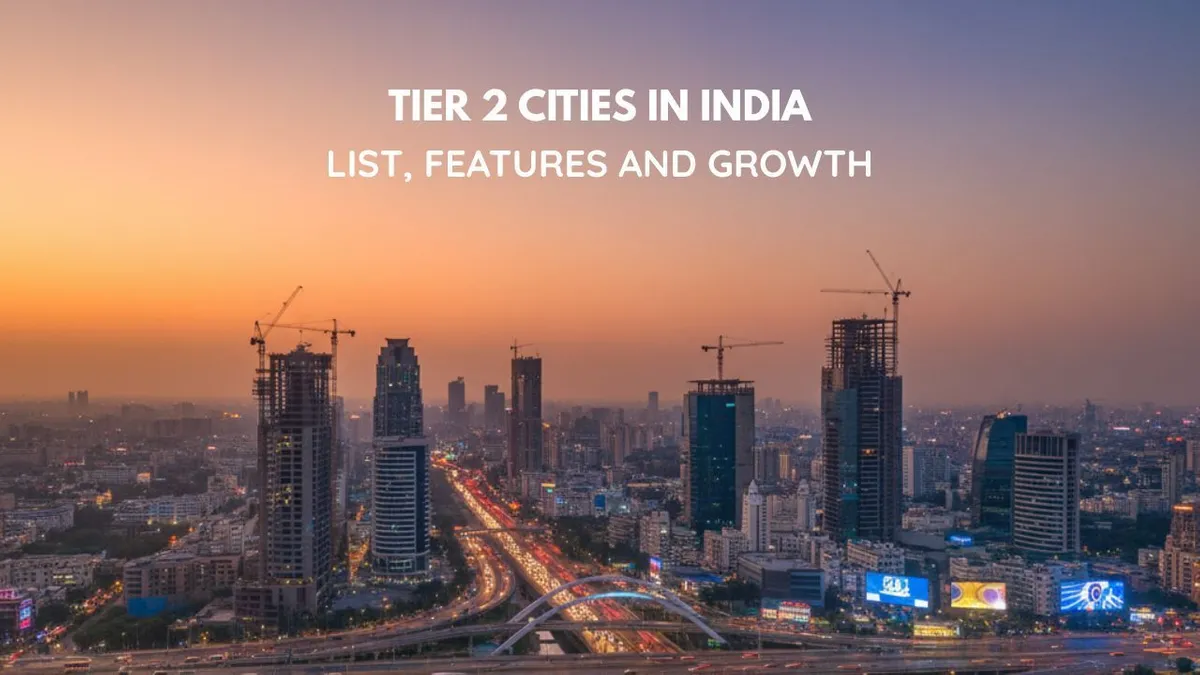
India’s economic growth story is no longer limited to metro cities like Mumbai, Delhi and Bengaluru. Tier-2 cities such as Indore, Nagpur and Surat are attracting investment, generating jobs and building strong local economies, making them some of the country’s most promising growth engines in 2026.
India’s Growth Is Expanding Beyond Metro Cities
The rise of Tier-2 cities has become one of the most significant shifts in India’s economic landscape. Cities like Indore in Madhya Pradesh, Nagpur in Maharashtra and Surat in Gujarat are gaining national attention for their improving infrastructure, lower operating costs and growing talent pools.
This trend is driven by a combination of government investment, startup activity, better connectivity and increasing consumer demand. Businesses that once focused only on metros are now expanding aggressively into smaller cities.
For investors and entrepreneurs, these urban centers offer a practical mix of affordability and opportunity.
Why Tier-2 Cities Are Becoming Economic Hubs
Tier-2 cities are growing because they solve many of the challenges associated with larger metros.
Real estate costs are significantly lower, both for businesses and residents. Companies can set up offices, warehouses and manufacturing units at a fraction of the cost compared to cities like Mumbai or Bengaluru.
Traffic congestion is less severe, commuting times are shorter and quality of life is often better. These factors help companies attract and retain talent.
At the same time, digital infrastructure and internet penetration have improved dramatically, allowing startups and service businesses to operate from almost anywhere.
Indore: India’s Cleanest City Turned Startup Destination
Indore has transformed from a traditional commercial center into one of India’s most business-friendly cities.
Repeatedly ranked among India’s cleanest cities, Indore has built a strong reputation for efficient governance and urban management. The city is also home to educational institutions and a growing startup ecosystem.
Sectors such as fintech, logistics, education and food processing are expanding rapidly in Indore. The city’s strategic location in central India makes it a natural distribution and operations hub.
Its improving infrastructure and lower costs are drawing both entrepreneurs and established companies.
Nagpur: The Logistics Capital of Central India
Nagpur is emerging as one of India’s most strategically located business centers.
Situated near the geographic center of the country, Nagpur benefits from excellent road, rail and air connectivity. The Multi-modal International Cargo Hub and Airport at Nagpur (MIHAN) has played a major role in attracting investment in logistics, aviation, healthcare and IT.
Nagpur’s growing data center presence and industrial expansion are creating new employment opportunities. The city’s relatively affordable housing and strong educational base add to its appeal.
For companies looking to serve pan-India markets, Nagpur offers a significant logistical advantage.
Surat: Textile Powerhouse to Innovation Hub
Surat has long been known for textiles and diamond processing, but the city is evolving into a broader economic powerhouse.
Entrepreneurial culture remains one of Surat’s biggest strengths. Local businesses are adopting technology, expanding into e-commerce and exploring sectors beyond manufacturing.
Surat’s infrastructure, strong export orientation and business-friendly environment continue to attract investment. The city also benefits from a large and skilled workforce.
Its ability to modernize traditional industries while embracing innovation makes Surat a standout example of Tier-2 growth.
Government Infrastructure Spending Is Accelerating Growth
Public investment is a major reason Tier-2 cities are thriving.
New expressways, industrial corridors, metro projects and airport expansions are improving connectivity across India. Programs such as Smart Cities Mission and industrial development schemes have strengthened urban infrastructure.
These improvements make it easier for businesses to operate efficiently and reach customers in nearby districts and rural markets.
As infrastructure improves, the economic gap between metros and emerging cities continues to narrow.
Startups and Digital Businesses Are Moving to Smaller Cities
India’s startup ecosystem is becoming increasingly decentralized.
Founders are choosing Tier-2 cities to reduce costs and stay closer to underserved markets. Edtech, agritech, fintech, healthcare and direct-to-consumer brands are particularly active in these regions.
Remote work has also changed hiring patterns. Skilled professionals can now work from their hometowns instead of relocating to expensive metro cities.
This shift is helping smaller cities retain talent and build stronger local economies.
Rising Consumer Demand in Tier-2 and Tier-3 India
Consumer spending in non-metro India has become a major growth driver.
Increasing smartphone usage, digital payments and e-commerce adoption have expanded access to products and services. From online education to quick commerce, companies are targeting customers in smaller cities with tailored offerings.
Young consumers in Tier-2 cities are more aspirational, digitally connected and willing to spend on convenience, entertainment and financial products.
This growing demand is encouraging brands to invest deeper in these markets.
Challenges That Still Need Attention
Despite strong momentum, Tier-2 cities face some constraints.
Urban planning, public transport, water supply and skilled employment opportunities still need improvement in many areas. Growth must be managed carefully to avoid infrastructure stress.
However, the direction is clear. With continued investment and better governance, these cities are likely to play an even larger role in India’s economic future.
Key Takeaways
- Tier-2 cities like Indore, Nagpur and Surat are attracting businesses due to lower costs and improving infrastructure.
- Government investment in roads, airports and industrial corridors is accelerating regional growth.
- Startups are increasingly choosing smaller cities to access talent and underserved markets.
- Rising consumer demand in non-metro India is creating major business opportunities.
FAQs
Why are Tier-2 cities growing faster in India?
They offer lower operating costs, better quality of life, improving infrastructure and access to a growing consumer base.
Why is Nagpur important for business growth?
Nagpur’s central location and logistics infrastructure make it a strategic hub for distribution, IT and industrial investment.
What makes Indore attractive to startups?
Efficient governance, cleanliness, educational institutions and lower business costs have helped Indore build a strong startup ecosystem.
How is Surat evolving beyond textiles?
Surat is expanding into technology-driven businesses while continuing to strengthen its traditional textile and diamond sectors.







Leave a comment