

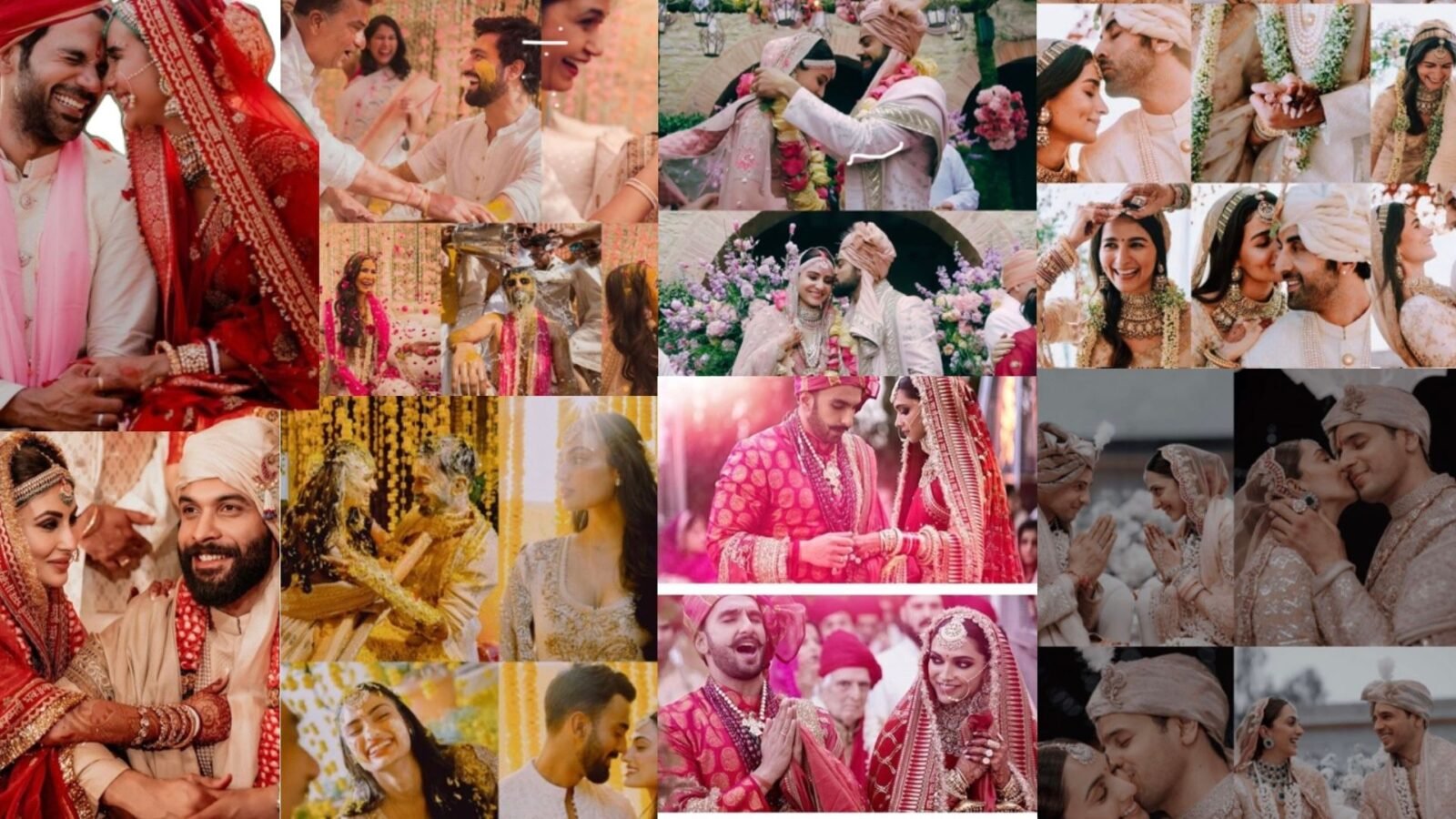
Bollywood’s modern marriages are under spotlight as recent industry voices and public commentary reshape how relationships, commitment, and personal choice are viewed. From unconventional ceremonies to candid statements by actors, these narratives are influencing audience expectations and reflecting broader social change.
Bollywood’s modern marriages have become a mirror for evolving Indian relationships. Recent quotes and public discussions by actors, filmmakers, and insiders show a shift away from rigid traditions toward more individual driven choices. This moment is time sensitive because it is shaped by ongoing celebrity conversations rather than long term cultural theory.
Why Bollywood Marriages Are Being Closely Watched
Marriage in Bollywood has always been more than a personal affair. It shapes public image, brand value, and audience connection. In recent months, industry figures have spoken openly about privacy, late marriages, second marriages, live in relationships, and non traditional wedding formats.
These statements stand out because they challenge older narratives where celebrity marriages were tightly scripted and idealised. Today, actors are framing marriage as one life choice among many, not a compulsory milestone.
Audiences follow these discussions closely because Bollywood still influences social norms, especially in Tier 2 and Tier 3 cities where film culture remains deeply aspirational.
Key Trends Defining Bollywood’s Modern Marriages
One visible trend is delayed marriage. Several actors have publicly stated that career stability and emotional readiness matter more than age. This messaging resonates with younger audiences facing similar pressures.
Another trend is the normalisation of low key weddings. Instead of grand multi day events, many couples are opting for intimate ceremonies with close family. This reflects a broader shift toward privacy and control over personal narratives.
There is also growing openness around remarriage and blended families. Industry voices increasingly treat second marriages as normal rather than exceptional, reducing stigma around divorce and separation.
Together, these trends show Bollywood moving closer to lived realities rather than projecting idealised versions of relationships.
Industry Voices And What They Are Actually Saying
Recent commentary from actors and directors highlights honesty over image management. Many have spoken about the pressure to conform and the relief of opting out. Statements emphasise communication, mutual respect, and independence rather than sacrifice driven narratives.
Some voices have questioned why marriage should define personal success at all. Others have highlighted the importance of mental health compatibility and shared values over societal approval.
These comments matter because they come from individuals whose personal lives are scrutinised. When such figures speak candidly, it legitimises similar conversations in everyday households.
Public Reaction And Audience Takeaways
Public response to Bollywood’s modern marriages has been mixed but largely engaged. Younger audiences often welcome the honesty and relatability. Older viewers sometimes express discomfort, reflecting generational differences in expectations.
In smaller cities, these conversations play a subtle role. While traditions remain strong, repeated exposure to alternative models reduces resistance over time. Families may not adopt the same choices, but they become more accepting of discussion.
The takeaway for audiences is not imitation but permission. Permission to question timelines, priorities, and definitions of commitment without shame.
Impact on Brand Endorsements And Media Narratives
Marriage choices now influence celebrity branding differently. Earlier, idealised marriages boosted endorsement value. Today, authenticity often matters more than perfection.
Brands are aligning with personalities who project honesty and balance rather than flawless domesticity. Media coverage has also shifted from wedding spectacle to relationship philosophy, quoting views rather than focusing only on visuals.
This change signals a mature audience that values context and credibility over fantasy.
What This Means for Bollywood And Society
Bollywood’s modern marriages reflect a society in transition. Urbanisation, financial independence, and changing gender roles are reshaping expectations, and cinema is no longer insulated from these forces.
The industry’s willingness to host open conversations suggests confidence in audience maturity. It also indicates that stars no longer feel obligated to uphold outdated ideals.
For society, the impact is gradual but meaningful. These narratives encourage dialogue within families, reduce stigma around unconventional choices, and expand the definition of successful relationships.
Where The Conversation Goes Next
The spotlight on modern marriages is unlikely to fade. As more industry figures speak openly, the range of accepted narratives will widen further.
Future discussions may focus more on partnership dynamics, shared responsibilities, and long term compatibility rather than ceremony and status. This evolution aligns with how younger generations already view relationships.
Bollywood, once a driver of rigid ideals, is now becoming a platform for reflection and reassessment.
Takeaways
Bollywood’s modern marriages highlight shifting priorities and personal choice
Industry voices are normalising delayed and low key marriages
Public conversations are becoming more open and less judgement driven
These narratives influence social acceptance beyond urban audiences
FAQs
Why are Bollywood marriages influencing public discussion now
Because actors are speaking openly rather than maintaining curated silence.
Are traditional weddings disappearing in Bollywood
No, but they are no longer the only accepted or celebrated model.
How do these trends affect audiences in smaller cities
They encourage conversation and gradual acceptance, not direct imitation.
Will this change how relationships are portrayed in films
Likely yes, as real life narratives influence on screen storytelling.









Leave a comment