

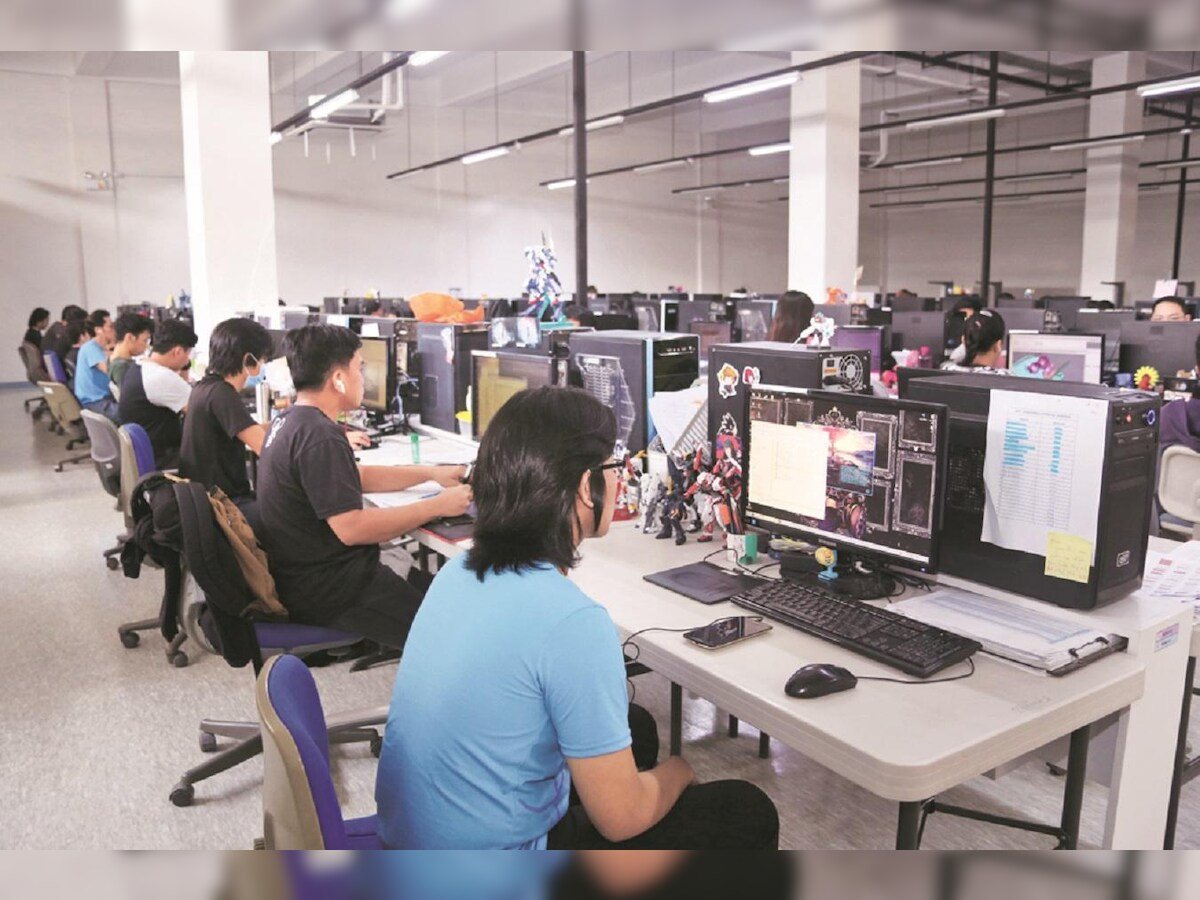
Indian GCCs are projected to add between 1.2 and 1.4 lakh tech jobs in 2026, reinforcing the country’s position as a global capability hub. The hiring surge is expected to extend beyond metro cities, with Tier 2 talent markets playing a strategic role.
Indian GCCs are poised for significant expansion in 2026, with hiring estimates ranging between 1.2 and 1.4 lakh new technology roles. Global Capability Centers, often referred to as GCCs, are offshore units established by multinational corporations to manage technology, operations, analytics, finance and research functions. India hosts more than 1,500 such centers, making it one of the largest global destinations for captive operations.
The hiring momentum reflects continued global reliance on India for engineering, digital transformation and enterprise services. As global firms restructure cost models and accelerate automation, Indian GCCs are moving from back office support to high value innovation hubs.
Shift From Support Functions to Digital Engineering
The GCC hiring wave in 2026 is largely driven by demand for digital engineering, artificial intelligence, cloud computing and cybersecurity. Earlier, many centers focused on transactional processes and IT maintenance. Over the past decade, however, the model has evolved.
Today, Indian GCCs are responsible for building enterprise platforms, managing global data systems and driving research and development initiatives. Roles in data science, DevOps, product management and enterprise architecture are expanding faster than traditional support functions.
This transformation has strengthened India’s positioning as a strategic technology partner rather than a low cost outsourcing base. The hiring of over one lakh professionals in a single year signals sustained confidence from global corporations across sectors including banking, retail, healthcare and manufacturing.
Tier 2 Cities Emerging as Talent Growth Engines
A key development in 2026 is the increasing role of Tier 2 cities in GCC expansion. While Bengaluru, Hyderabad and Pune remain major hubs, companies are actively exploring cities such as Coimbatore, Jaipur, Ahmedabad, Indore and Bhubaneswar for new delivery centers.
Several factors explain this shift. Talent availability in Tier 2 markets has improved due to stronger engineering institutions and remote work acceptance. Operational costs including real estate and employee retention expenses are comparatively lower. Additionally, infrastructure development in these cities has made large scale office operations viable.
Companies are adopting hybrid models that distribute teams across multiple cities. This reduces concentration risk and broadens the hiring base. For professionals in Tier 2 locations, the expansion of GCCs reduces the need for relocation to metros, creating local employment ecosystems.
Tech Skills in Demand Across GCC Hiring
The projected 1.2 to 1.4 lakh tech jobs are concentrated in specific skill clusters. Artificial intelligence and machine learning roles remain highly sought after as enterprises automate customer support, fraud detection and supply chain management. Cloud platform specialists with experience in enterprise migration and architecture are also in demand.
Cybersecurity professionals are critical as global organizations face rising data protection risks. Regulatory compliance requirements across regions make security teams indispensable. In addition, digital product roles that combine technology and business strategy are expanding within mature GCC setups.
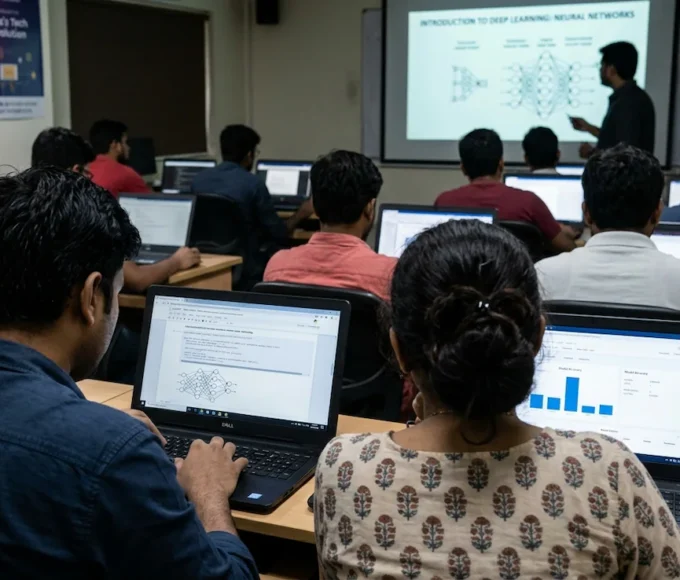
Upskilling has become central to sustaining this hiring cycle. Many GCCs invest in internal training academies, certification sponsorships and partnerships with technology platforms. This approach supports continuous talent development rather than one time recruitment spikes.
Economic and Policy Implications for India
The growth of Indian GCCs contributes significantly to employment generation, foreign investment inflows and export revenues in the services sector. Technology services and business process management already form a major component of India’s export economy. The addition of over one lakh new tech jobs strengthens that base.
Policy initiatives focused on ease of doing business, digital infrastructure and startup collaboration indirectly support GCC growth. Several state governments have introduced incentives for companies setting up technology parks in emerging cities. Improved connectivity and commercial real estate supply further enhance attractiveness.
From a macro perspective, the expansion reduces overdependence on a few metropolitan clusters. Distributed growth improves resilience and fosters regional economic development. For Tier 2 cities, the presence of multinational centers can catalyze ancillary sectors such as coworking spaces, transport and housing.
Challenges and Talent Retention Considerations
Despite strong hiring projections, challenges remain. Competition for skilled professionals is intense. Salary inflation in high demand tech roles can pressure operating margins. Additionally, global economic fluctuations may influence hiring pace during the year.
Talent retention is another focus area. GCCs are responding by offering flexible work models, performance linked incentives and clearer career progression paths. Leadership roles are increasingly localized, with Indian executives managing global portfolios from domestic offices.
Sustained growth will depend on continuous skill supply from universities and lateral talent markets. Collaboration between academia and industry is likely to deepen to align curriculum with emerging technology demands.
Takeaways
Indian GCCs are expected to add 1.2 to 1.4 lakh tech jobs in 2026 across digital roles.
Tier 2 cities are becoming strategic expansion hubs due to talent and cost advantages.
High demand skills include AI, cloud computing, cybersecurity and digital product management.
The expansion supports regional economic growth and strengthens India’s global tech positioning.
FAQs
Q1. What are Global Capability Centers or GCCs?
GCCs are offshore units set up by multinational corporations in countries like India to manage technology, operations, analytics and research functions for global markets.
Q2. Why are Tier 2 cities important for GCC expansion?
Tier 2 cities offer strong engineering talent pools, lower operational costs and improving infrastructure, making them attractive for distributed hiring strategies.
Q3. Which skills are most in demand in GCC hiring for 2026?
Artificial intelligence, cloud computing, cybersecurity, data engineering and digital product roles are among the most sought after skills.
Q4. How does GCC growth impact India’s economy?
GCC expansion boosts employment, increases service exports and promotes regional economic development beyond major metropolitan hubs.









Leave a comment