

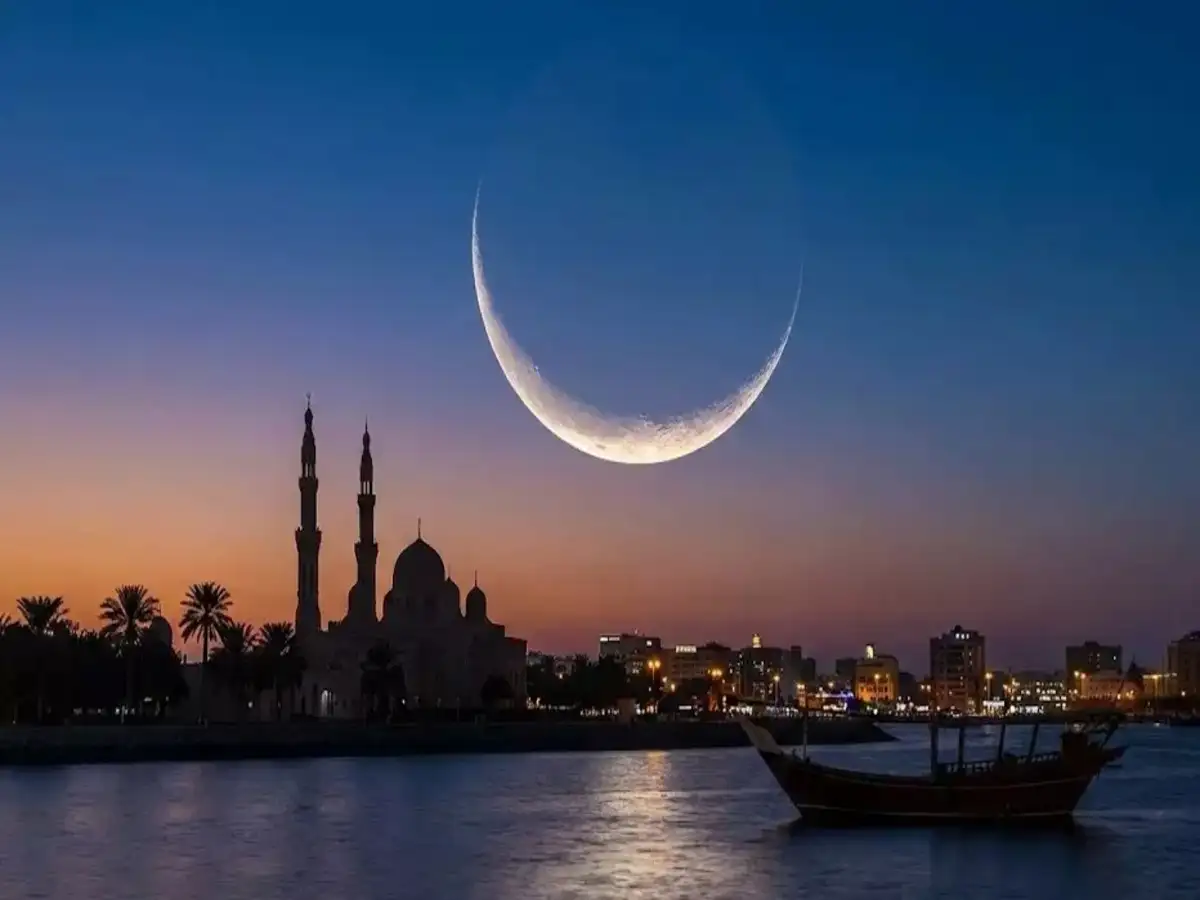
Ramzan has begun across India, marking the start of a month of fasting, prayer and reflection for millions of Muslims. In Tier 2 and Tier 3 cities, the holy month reshapes markets, mosque routines, school schedules and everyday social life in visible and meaningful ways.
Ramzan begins across India with the sighting of the crescent moon, setting in motion a month long period of fasting from dawn to sunset. In smaller cities and towns, the impact of Ramzan on daily life is immediate. Markets adjust their hours, mosques see higher footfall, and families reorganize routines around sehri and iftar. Unlike metropolitan areas where life often continues at a similar pace, Tier 2 and Tier 3 cities experience a deeper community level shift, driven by close knit neighbourhoods and traditional practices.
How Ramzan Changes Daily Routines in Small Cities
The fasting month alters the rhythm of the day. Sehri, the pre dawn meal, begins before the first prayer of Fajr. In many smaller cities, local mosques and community volunteers use loudspeakers or traditional methods to wake residents. Streets that are otherwise silent at 4 am see movement as food stalls, tea vendors and bakeries open early.
Work hours in local businesses often shift. In towns with a significant Muslim population, small shops may open later in the morning and remain active well into the night after iftar. Government offices and private establishments sometimes adjust timings informally to accommodate fasting employees. The visible slowdown during peak afternoon heat is common, especially in regions where temperatures are high.
Regional Markets and the Night Economy During Ramzan
Ramzan significantly boosts the evening economy in Tier 2 and Tier 3 cities. Local markets witness a surge in activity after sunset. Iftar essentials such as dates, fruits, pakoras, samosas and traditional drinks see increased demand. In states like Uttar Pradesh, Maharashtra and Telangana, specific food streets become temporary hubs of social gathering.
Small vendors benefit from the seasonal demand. Tailors receive more orders for new clothes ahead of Eid. Perfume sellers, cap and kurta retailers and sweet shops see steady business. Unlike urban malls, commerce in smaller towns remains rooted in traditional bazaars, making Ramzan an important revenue period for family run businesses.
Mosques, Community Prayers and Spiritual Gatherings
Mosques in smaller cities play a central role during Ramzan. The Taraweeh prayers held every night after Isha attract large congregations. In many towns, mosques organize Quran recitation sessions, charity drives and community iftars. The sense of collective worship is stronger in close knit neighbourhoods where families have known each other for generations.
Charitable giving, or zakat, also increases during this month. Local committees often identify families in need and distribute food grains, clothing and financial support. This structured charity system ensures that the benefits of Ramzan extend beyond religious observance and contribute to social welfare at the grassroots level.
Impact on Schools and Students
Schools in Tier 2 and Tier 3 cities adapt informally during Ramzan. While official schedules may not change widely except in Muslim managed institutions, teachers often show flexibility. Students who are fasting may be allowed short breaks or lighter participation in physical activities.
In some regions, madrassas conduct special Quran study sessions during the month. Evening tuition classes are sometimes rescheduled to avoid conflict with iftar and Taraweeh. For board exam candidates, families often create structured study routines around fasting hours to balance religious duties and academic responsibilities.
Social Harmony and Inter Community Participation
Ramzan in smaller cities often becomes a shared social experience. Non Muslim neighbours participate in iftar gatherings, and local administrations coordinate to ensure smooth traffic management near major mosques. Police and civic authorities increase patrolling in crowded markets to maintain order during peak evening hours.
The month also reinforces communal harmony in many towns where shared public spaces foster interaction. Iftar events organized by civil society groups and local leaders reflect the inclusive character of many Tier 2 and Tier 3 cities.
Preparing for Eid and the Closing Days
As Ramzan progresses, anticipation for Eid builds steadily. The last ten days are considered spiritually significant, with increased prayers and mosque attendance. Markets become more crowded as families shop for clothes, gifts and festive food items.
Chand Raat, the night when the new moon is sighted marking the end of Ramzan, transforms smaller cities into vibrant spaces filled with late night shopping and celebrations. Mehendi stalls, sweet shops and garment stores operate until midnight, highlighting how the holy month culminates in both spiritual fulfilment and economic activity.
Takeaways
Ramzan reshapes daily routines in Tier 2 and Tier 3 cities, from early morning sehri to late night markets.
Local economies benefit through increased demand for food, clothing and festive goods.
Mosques and community networks play a key role in spiritual and social support.
Schools and workplaces often adapt informally to accommodate fasting individuals.
FAQs
Q1. When does Ramzan begin in India?
Ramzan begins after the sighting of the crescent moon, which may vary by a day depending on local observations.
Q2. Do schools close during Ramzan in India?
Most schools remain open, but some institutions adjust schedules or show flexibility for fasting students.
Q3. How does Ramzan affect local markets in small cities?
Evening markets see higher footfall, especially for food items, clothing and Eid related purchases.
Q4. What is the role of mosques during Ramzan?
Mosques host nightly Taraweeh prayers, Quran recitations and organize charity activities that support the local community.









Leave a comment