

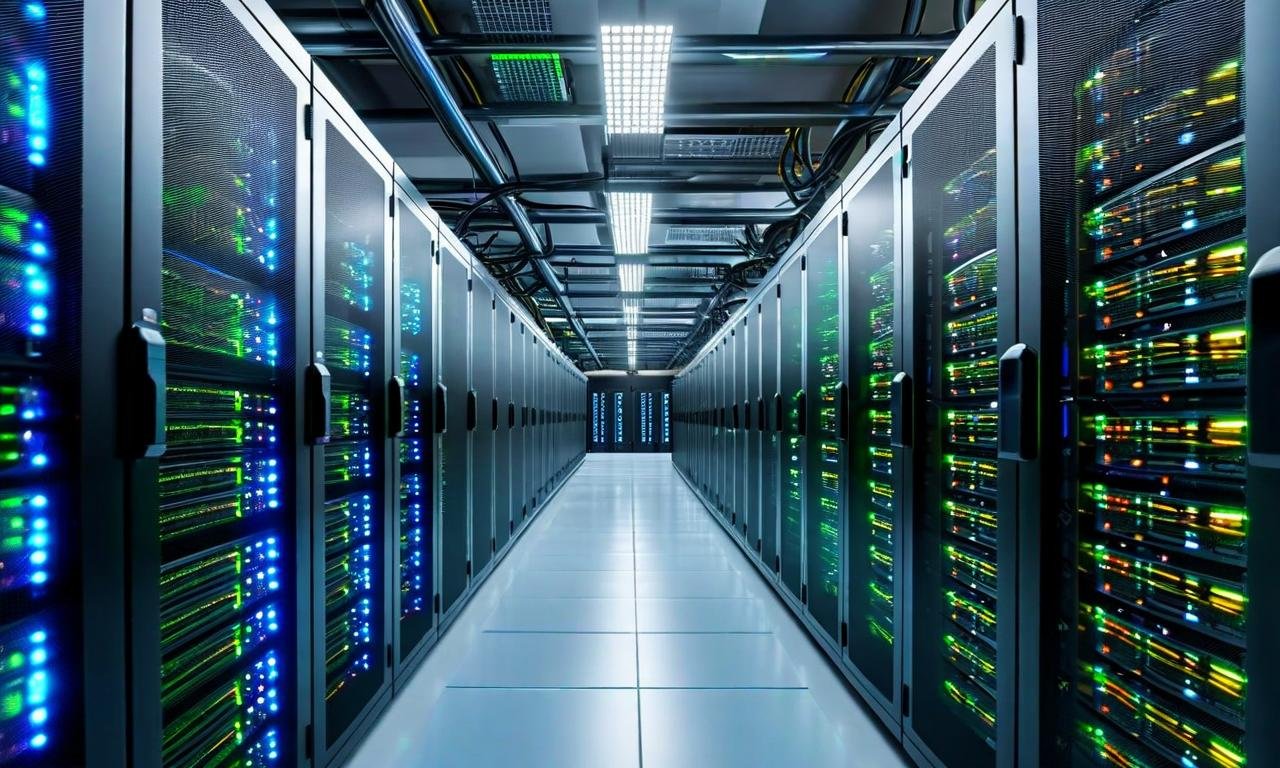
Big bets on AI infrastructure are reshaping India’s technology landscape as global companies commit capital toward data centers, cloud regions, semiconductor design and advanced computing capacity. These investments are positioning Indian hubs as critical nodes in the global artificial intelligence value chain.
Big bets on AI infrastructure are no longer limited to research labs or pilot projects. Global technology firms are expanding hyperscale data centers, setting up AI focused cloud regions and building high performance computing clusters in India. The objective is clear. Meet rising enterprise demand for generative AI, machine learning workloads and real time data processing while reducing latency and improving regulatory compliance. For India, this wave of infrastructure commitments signals both opportunity and structural transformation.
Why AI Infrastructure Matters for India’s Digital Economy
AI infrastructure forms the backbone of modern artificial intelligence systems. Training large language models, running generative AI tools and supporting enterprise automation require massive computational power. This includes graphics processing units, advanced networking systems, energy efficient cooling and secure data storage facilities.
India’s digital economy has expanded rapidly through fintech, ecommerce and digital public infrastructure. However, high end AI workloads were often dependent on overseas data centers. With global firms expanding local cloud regions and AI data centers, Indian enterprises gain lower latency access and better data residency compliance. This shift strengthens domestic innovation capacity and reduces dependency on cross border data flows for critical workloads.
Data Centers and Hyperscale Cloud Expansion
One of the most visible signs of global tech commitments is the expansion of hyperscale data centers in cities such as Mumbai, Hyderabad, Chennai and Pune. These cities offer connectivity through submarine cable landing stations, skilled talent pools and supportive state policies. Data center capacity in India has grown steadily over the past few years, with additional gigawatt scale projects announced.
AI driven workloads require specialized infrastructure compared to traditional web hosting. GPU dense servers, high bandwidth interconnects and advanced cooling technologies are now standard components of new facilities. This expansion directly supports startups building generative AI platforms as well as large enterprises deploying AI powered analytics and automation tools.
Semiconductor and Chip Design Investments
AI infrastructure is not limited to data centers. Semiconductor design and advanced chip ecosystems are equally critical. Global chipmakers and design firms are increasing their engineering presence in India, leveraging the country’s strong base of electronics and computer science graduates. Government incentives for semiconductor manufacturing and design linked initiatives further strengthen this push.
Although India is still developing large scale chip fabrication capabilities, it has become a major center for semiconductor design and validation. AI specific chips, including those optimized for inference and edge computing, are being developed and tested by teams based in Bengaluru and Hyderabad. These efforts contribute to the broader AI hardware supply chain and reduce vulnerability to global disruptions.
Impact on Indian Startups and Enterprises
For Indian startups, expanded AI infrastructure means easier access to scalable computing resources. Early stage companies can leverage cloud based AI platforms without investing in physical hardware. This lowers entry barriers for deep tech innovation. Startups working on language models tailored to Indian languages, computer vision tools for agriculture and AI healthcare diagnostics benefit directly from domestic high performance infrastructure.
Large enterprises also gain from improved compliance and security. Sectors such as banking, telecom and healthcare operate under strict data governance norms. Hosting AI workloads within Indian data centers simplifies regulatory alignment. It also improves disaster recovery planning and operational continuity.
Energy, Sustainability and Infrastructure Challenges
While the expansion of AI infrastructure creates growth opportunities, it also raises sustainability concerns. Data centers consume significant electricity and require reliable cooling systems. States hosting large facilities must ensure stable power supply and water management. Renewable energy integration is becoming a priority for operators seeking to meet environmental targets.
Infrastructure bottlenecks remain another challenge. High capacity fiber connectivity, grid stability and urban land availability can influence site selection. Policymakers are increasingly coordinating with private players to streamline approvals and strengthen logistics networks. Without these improvements, rapid scaling could face operational delays.
Geopolitical and Strategic Implications
Global commitments to AI infrastructure in India also carry strategic implications. As countries compete for technological leadership, infrastructure location influences data sovereignty and supply chain resilience. By attracting major investments, India enhances its position in global digital governance discussions.
Domestic capability in AI infrastructure supports national security objectives as well. Sensitive applications in defense, financial systems and public services benefit from localized processing and storage. Strategic autonomy in AI computing resources reduces exposure to international trade restrictions or supply constraints.
The Road Ahead for Indian Tech Hubs
The next phase of growth will likely focus on tier two cities with strong connectivity and lower operational costs. Cities such as Ahmedabad, Noida and Coimbatore are emerging as potential secondary AI infrastructure hubs. Talent development will be critical. Universities and technical institutes must align curricula with high performance computing, chip design and AI engineering needs.
Big bets on AI infrastructure indicate that India is transitioning from being primarily a software services destination to a comprehensive AI ecosystem hub. Sustained policy support, stable energy supply and continuous skill development will determine how effectively Indian hubs capitalize on this momentum.
Takeaways
Global investments in AI infrastructure are expanding data centers and cloud regions across India.
Semiconductor design and AI chip development are strengthening India’s hardware ecosystem.
Startups and regulated enterprises benefit from improved data residency and computing access.
Energy sustainability and infrastructure readiness remain critical success factors.
FAQs
What is meant by AI infrastructure?
AI infrastructure includes data centers, high performance computing systems, GPUs, networking equipment and cloud platforms required to develop and run artificial intelligence applications.
Why are global tech companies investing in Indian hubs?
India offers a large digital market, skilled talent pool, improving policy support and strategic geographic positioning, making it attractive for AI infrastructure expansion.
How does AI infrastructure benefit Indian startups?
Startups gain access to scalable computing resources, lower latency and regulatory compliant hosting environments, which reduce costs and speed up product development.
Are there challenges linked to AI infrastructure growth?
Yes, challenges include high energy consumption, sustainability concerns, infrastructure bottlenecks and the need for advanced technical talent.











Leave a comment