

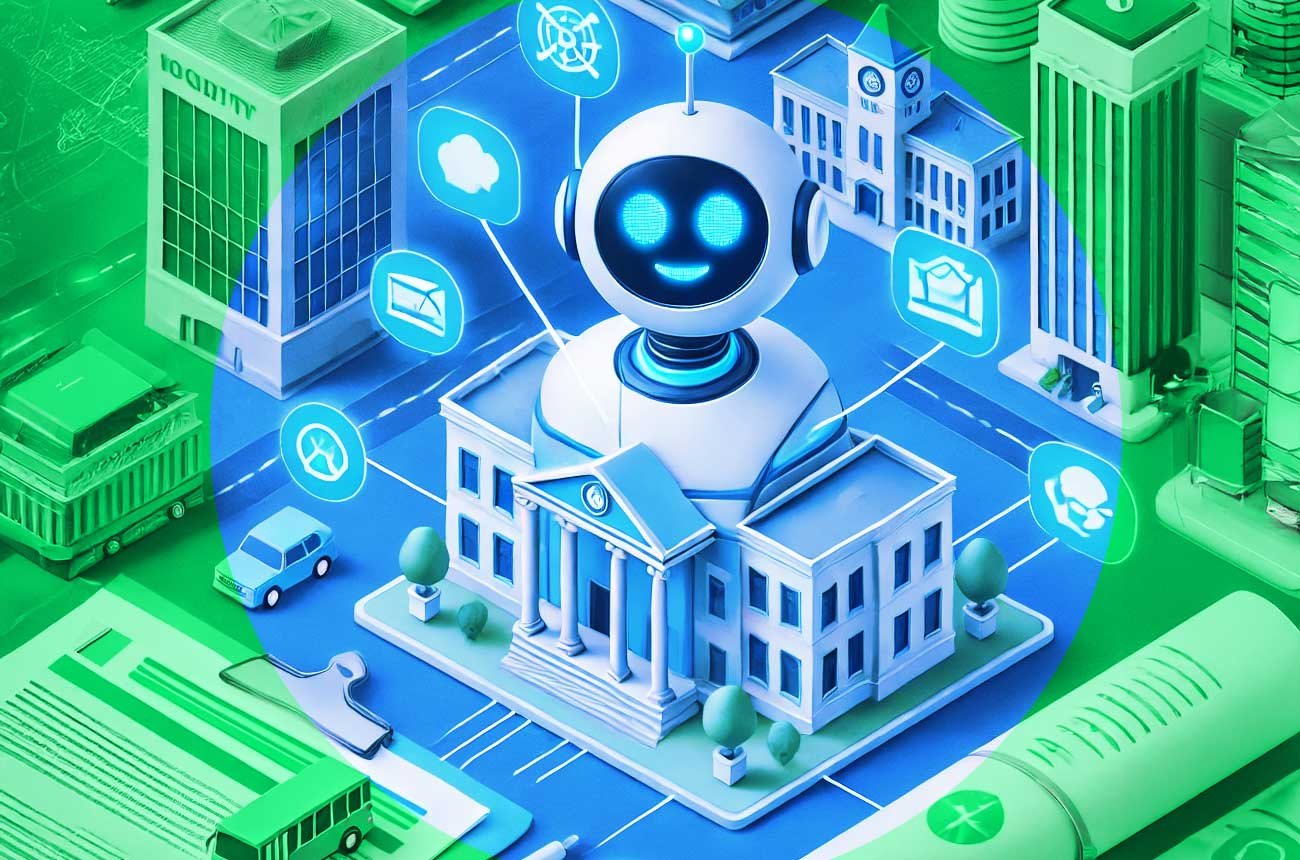
AI and local governance is emerging as a critical discussion as smaller Indian cities look for smarter ways to manage urban challenges. From traffic control to waste management, artificial intelligence is gradually becoming a tool for improving efficiency and public services.
AI and Local Governance: An Emerging Policy and Tech Trend
AI and local governance is an evolving and largely evergreen topic, though its implementation is gaining momentum through recent smart city initiatives. Smaller cities are exploring how data-driven systems can support decision-making and improve service delivery.
Local governments traditionally rely on manual processes and limited data. AI introduces the ability to analyse large datasets, identify patterns, and automate routine tasks. This can enhance accuracy and reduce response time.
For Tier-2 and Tier-3 cities, where resources are often constrained, AI offers an opportunity to optimise existing systems rather than expanding infrastructure at high cost.
The focus is shifting from expansion to smarter utilisation.
Smart City Initiatives and AI Integration
Smart city AI applications in India are already visible in several urban projects. Under government programs, cities are deploying technologies such as surveillance systems, traffic monitoring, and integrated command centres.
AI can process real-time data from cameras and sensors to manage traffic flow, detect violations, and reduce congestion. This is particularly useful in growing cities where road infrastructure is under pressure.
Waste management is another area where AI can help. Data analysis can optimise collection routes, reduce fuel consumption, and improve efficiency.
These applications show how technology can address everyday governance challenges.
Improving Public Services Through Data and Automation
AI in public services can significantly improve how citizens interact with local authorities. Chatbots and automated systems can handle common queries, reducing workload on municipal staff.
Predictive analytics can help in planning services such as water supply, electricity distribution, and public transport. By analysing usage patterns, authorities can allocate resources more effectively.
Healthcare and sanitation services can also benefit. AI tools can identify high-risk areas, track disease patterns, and support preventive measures.
For smaller cities, these improvements can lead to better service delivery without requiring large-scale investments.
Challenges in Adopting AI in Smaller Cities
Despite its potential, AI adoption in Tier-2 cities faces several challenges. Infrastructure is a major concern. Reliable internet connectivity, data storage systems, and hardware are essential for implementing AI solutions.
Skill gaps are another issue. Local government staff may require training to use and manage AI systems effectively. Without proper expertise, technology adoption may remain limited.
Budget constraints also play a role. While AI can reduce long-term costs, initial investment can be significant for smaller municipalities.
Data privacy and security concerns must also be addressed. Handling sensitive information requires strong safeguards and clear policies.
Role of Government Policies and Partnerships
Government policies play a key role in promoting AI adoption in local governance. National initiatives focusing on digital transformation and smart cities provide a framework for implementation.
Public-private partnerships can accelerate adoption. Technology companies can provide expertise and solutions, while local governments focus on implementation and regulation.
Collaboration with academic institutions can also help build local capacity. Training programs and research initiatives can support long-term development.
These partnerships can bridge gaps in resources and knowledge.
Benefits for Tier-2 and Tier-3 Urban Development
The benefits of AI in smaller cities extend beyond efficiency. Improved governance can enhance quality of life for residents by reducing delays, improving infrastructure management, and increasing transparency.
AI-driven systems can also support economic growth. Efficient services attract businesses and investment, contributing to local development.
Transparency is another advantage. Data-driven decision-making can reduce corruption and improve accountability in governance processes.
For citizens, this translates into more reliable and responsive public services.
Future Outlook for AI in Local Governance
The future of AI and local governance in India will depend on how effectively smaller cities adopt and scale these technologies. As digital infrastructure improves, adoption is likely to increase.
Affordable and scalable AI solutions will play a crucial role. Cloud-based systems and shared platforms can reduce costs and make technology accessible to more cities.
Continuous training and awareness will also be important. Building local expertise ensures that systems are used effectively and sustainably.
The long-term goal is to create cities that are not just larger but smarter and more efficient.
Takeaways
- AI and local governance can improve efficiency in smaller Indian cities
- Applications include traffic management, waste collection, and public services
- Challenges include infrastructure, skills, and budget constraints
- Partnerships and policy support are key to successful implementation
FAQs
What is AI in local governance?
It refers to the use of artificial intelligence to improve public services, decision-making, and urban management.
How can smaller cities benefit from AI?
They can optimise resources, improve service delivery, and enhance efficiency without major infrastructure expansion.
What are the main challenges in adopting AI?
Infrastructure limitations, skill gaps, and initial investment costs are key challenges.
Is AI adoption feasible for all cities?
Yes, with scalable solutions and proper support, even smaller cities can implement AI effectively.











Leave a comment