

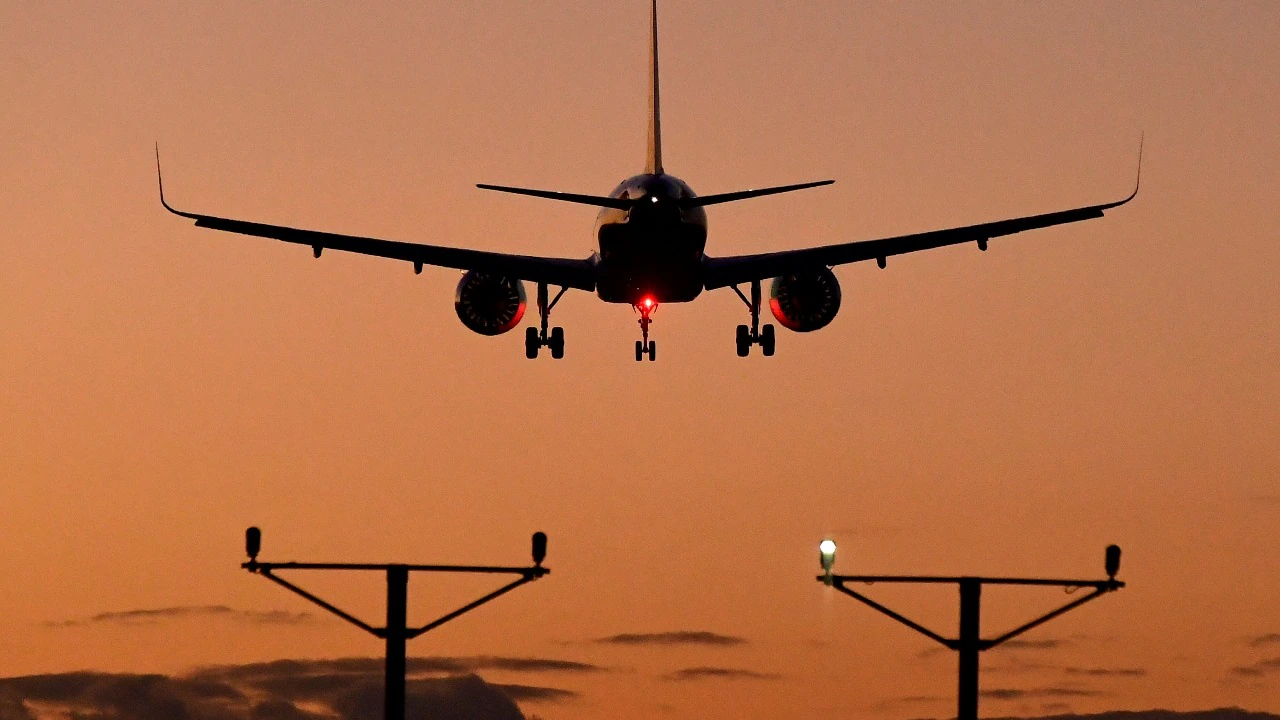
Flight disruptions hitting Indians amid Middle East tensions have triggered widespread travel uncertainty across major international routes. Airlines are adjusting flight paths, cancelling select services, and activating contingency plans as thousands of Indian passengers face delays, rerouting, and schedule changes.
Flight disruptions hitting Indians amid Middle East tensions are affecting both outbound and transit passengers, especially those travelling to Europe, North America, and the Gulf. Escalating geopolitical tensions in parts of West Asia have led to temporary airspace restrictions and precautionary route diversions by multiple international carriers. For Indian travellers, this means longer travel times, rescheduled departures, and in some cases, sudden cancellations.
Airlines typically reroute flights when specific air corridors are deemed unsafe or temporarily restricted. Even if India is not directly involved in the conflict, its international routes often pass through affected airspace, particularly over the Persian Gulf and parts of the Middle East.
How Airspace Closures Are Affecting Indian Routes
Many long haul flights from cities such as Delhi, Mumbai, Bengaluru, and Hyderabad rely on Middle East air corridors to connect to Europe and North America. When airlines avoid specific zones, aircraft must take longer alternate paths, increasing flying time and fuel consumption.
This results in cascading delays. A delayed arrival of an aircraft on one sector often affects its next scheduled departure. Over a few days, disruptions compound across networks.
Flights operated by Gulf based carriers are particularly sensitive to regional instability because their hubs are located in the Middle East. Indian passengers transiting through cities such as Dubai, Doha, or Abu Dhabi may experience longer layovers or last minute gate changes.
Airlines may also impose temporary schedule reductions to manage operational strain. While safety remains the primary factor, logistical recalibration takes time.
Impact on Indian Workers and Students Abroad
A significant number of Indians live and work in Gulf countries. In addition, thousands of students travel between India and Europe or North America each month. Even short term flight disruptions create anxiety among families awaiting arrivals.
For migrant workers returning home or heading back to job sites, missed connections can lead to financial strain. Many workers operate on tight leave windows and fixed employment contracts.
Students with visa deadlines or academic reporting dates face similar pressure. While airlines generally provide rebooking options, immediate alternatives may not always be available during peak travel periods.
Indian embassies in affected regions typically monitor developments closely and issue travel advisories if necessary. In extreme cases, contingency evacuation mechanisms are considered, though such steps are reserved for serious escalation.
Alternate Routes and Airline Contingency Planning
When traditional air corridors are restricted, airlines use alternative paths through safer airspace. For example, instead of flying over conflict adjacent zones, carriers may divert via Central Asia or take longer southern arcs over the Arabian Sea.
These adjustments increase flight duration by one to three hours depending on destination. Extended flight times also require recalculated fuel loads and crew scheduling adjustments.
Airlines activate crisis management teams to coordinate with aviation authorities, air traffic control agencies, and global safety regulators. Real time risk assessment determines which routes remain viable.
Passengers are usually notified via SMS, email, or airline apps about schedule changes. Travel insurance policies may cover certain disruption related expenses, but coverage terms vary.
Evacuation Planning and Government Response
India has a history of large scale evacuation operations during regional conflicts. Past missions have demonstrated the capacity of the government to coordinate civilian repatriation if commercial aviation becomes severely constrained.
At present, most disruptions remain operational rather than structural. Commercial flights continue to operate with diversions and schedule adjustments rather than full scale suspension.
The Ministry of Civil Aviation and Ministry of External Affairs typically assess airspace advisories, airline capacity, and passenger volumes before announcing any formal evacuation initiative.
Travel advisories may recommend avoiding non essential travel to specific zones if risk levels rise. However, evacuation planning is scenario based and activated only when civilian safety is directly threatened.
What Travellers Should Do Right Now
Indian travellers with upcoming international bookings should monitor airline communications closely. It is advisable to check flight status directly on official airline platforms rather than relying solely on third party booking sites.
Passengers should keep travel documents updated and ensure contact details are correctly entered in booking systems to receive timely alerts.
Flexible tickets or changeable fares offer greater protection during volatile periods. Those transiting through Middle East hubs should confirm minimum connection times, as rerouted flights may alter arrival schedules.
Travel insurance review is also important. Some policies cover delays and missed connections due to geopolitical events, while others exclude conflict related disruptions.
Broader Implications for Aviation and Fuel Costs
Extended flight paths increase fuel burn and operational costs. Over time, this may influence ticket pricing if disruptions persist. Aviation fuel is already a significant cost component for airlines operating in India.
Persistent instability in major air corridors can strain airline profitability and reduce seat capacity temporarily. However, global aviation systems are designed with redundancy, allowing rerouting without full shutdown in most cases.
The immediate priority remains passenger safety and operational continuity. While disruptions are inconvenient, aviation authorities prioritize risk mitigation over schedule adherence.
Takeaways
Middle East tensions are causing rerouted flights and longer travel times for Indian passengers
Airlines are using alternate air corridors to maintain safety and operational continuity
Students, migrant workers, and transit passengers are among the most affected groups
Full scale evacuation plans are activated only if civilian safety is directly threatened
FAQs
Are flights from India completely cancelled due to Middle East tensions
No. Most flights are operating with route diversions and delays rather than full cancellation.
Why do flights take longer during regional conflicts
Airlines avoid restricted or high risk airspace and use longer alternate routes to ensure safety.
Should travellers cancel their trips
Travellers should monitor official advisories and airline notifications. Unless specific destinations are restricted, most routes remain operational.
Will ticket prices increase because of rerouting
If disruptions persist and fuel consumption rises, airlines may adjust fares over time, but immediate price changes depend on multiple factors.










Leave a comment