

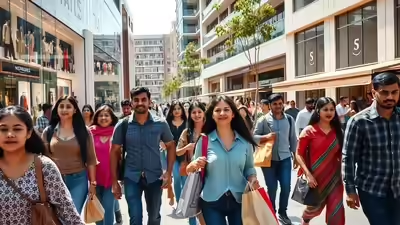
Tier-2 cities have emerged as a major force behind India’s box office growth. Rising cinema infrastructure, expanding middle class audiences, and increasing access to regional and national films are turning smaller urban markets into powerful drivers of theatrical revenue.
The rise of Tier-2 audiences driving box office growth in India has become a significant trend in the country’s film industry. While metropolitan cities like Mumbai, Delhi, and Bengaluru historically dominated theatrical revenue, smaller urban centers such as Indore, Nagpur, Surat, Lucknow, and Coimbatore are now contributing a larger share of ticket sales. The shift reflects changing audience demographics, improved cinema infrastructure, and the growing appeal of films that resonate with regional audiences.
Expansion of Multiplexes in Tier-2 and Tier-3 Cities
One of the most important factors behind the growth of Tier-2 audiences in India’s box office market is the rapid expansion of multiplex theatres. Over the past decade, cinema chains have invested heavily in smaller cities where entertainment infrastructure was previously limited.
Multiplex operators recognized that these markets had large populations with rising disposable income but relatively fewer entertainment options. As a result, new theatre complexes were built in shopping malls and commercial centers across regional cities.
Cities such as Indore, Nagpur, Jaipur, Chandigarh, and Kochi now host multiple multiplex screens that provide the same viewing experience as those in major metros.
The availability of modern theatres has encouraged more people in these cities to watch films on the big screen rather than waiting for television or streaming releases.
Rising Middle Class and Disposable Income
The growth of the middle class in Tier-2 cities has significantly influenced cinema consumption patterns. Economic development, expansion of service industries, and improved employment opportunities have increased household incomes in many regional urban centers.
With greater financial stability, families are spending more on leisure activities including movie outings. Cinemas often serve as popular social spaces where people gather for entertainment, particularly during weekends and festival seasons.
Younger audiences in Tier-2 cities are especially active moviegoers. Students and working professionals frequently attend films in groups, contributing to steady ticket sales throughout the year.
This demographic shift has encouraged film distributors to pay closer attention to the preferences of audiences outside metropolitan areas.
Regional Cinema and Local Language Films
Another major reason Tier-2 audiences are driving box office growth is the popularity of regional language cinema. Films produced in languages such as Tamil, Telugu, Malayalam, Kannada, and Marathi often attract strong support in regional markets.
Many of these films perform exceptionally well in smaller cities because they reflect local culture, humor, and social realities.
The success of regional cinema has also influenced distribution strategies. Producers often prioritize releasing films in regional markets where demand is strong.
Even large Hindi language films now focus on reaching audiences in smaller cities through wide theatrical releases.
This combination of national and regional film content has strengthened the overall box office ecosystem.
Influence of Mass Entertainment and Festival Releases
Festival periods play a crucial role in driving box office revenue in Tier-2 cities. Major film releases during holidays such as Diwali, Eid, and Pongal often attract large crowds in regional markets.
In many smaller cities, cinema outings are closely tied to festive celebrations. Families and groups of friends visit theatres together, making these periods particularly profitable for film distributors.
Mass entertainment films that emphasize action, music, and larger than life storytelling tend to perform well in these markets.
Producers frequently design promotional campaigns that specifically target audiences in smaller cities, recognizing their importance in determining a film’s commercial success.
Changing Distribution Strategies for Film Producers
Film producers and distributors have increasingly adjusted their strategies to tap into Tier-2 markets. Wide theatrical releases now include hundreds of screens in smaller cities across India.
Marketing campaigns also focus on regional audiences through local events, promotional tours, and social media engagement.
Actors and filmmakers often visit Tier-2 cities during film promotions because audiences in these regions respond strongly to direct interactions with celebrities.
The film industry now recognizes that success in these markets can significantly boost overall box office collections.
Data from several major releases in recent years shows that a large portion of ticket sales often comes from non metropolitan regions.
Impact of Digital Promotion and Social Media
Social media platforms have also played a role in increasing moviegoing interest among Tier-2 audiences. Online trailers, promotional videos, and influencer content help generate excitement before film releases.
Digital marketing campaigns allow producers to reach audiences across different regions simultaneously.
Younger viewers frequently discover new films through platforms such as Instagram, YouTube, and messaging apps. These channels have become important tools for spreading word of mouth recommendations.
As internet access continues to expand in smaller cities, digital promotion will likely play an even larger role in shaping audience behavior.
Future of Box Office Growth in Smaller Cities
The influence of Tier-2 audiences on India’s box office is expected to grow further as urbanization and infrastructure development continue.
Cinema chains are planning additional multiplex expansions in emerging cities. Government initiatives aimed at improving urban infrastructure may also support the development of new entertainment venues.
For filmmakers, this means that understanding the preferences of audiences in smaller cities will remain essential for commercial success.
The growing importance of these markets reflects a broader transformation in India’s entertainment landscape where cultural and economic activity is spreading beyond traditional metropolitan centers.
Takeaways
• Tier-2 cities are becoming major contributors to India’s box office revenue.
• Expansion of multiplex theatres has increased cinema access in smaller urban markets.
• Rising middle class incomes are encouraging more frequent moviegoing.
• Regional cinema and festival releases perform strongly among Tier-2 audiences.
FAQs
What are Tier-2 audiences in India’s film market?
Tier-2 audiences refer to moviegoers living in mid sized cities such as Indore, Nagpur, Jaipur, and Lucknow that are smaller than major metropolitan areas.
Why are Tier-2 cities important for box office collections?
These cities have large populations and growing middle class consumers who frequently visit cinemas, contributing significantly to ticket sales.
Do regional films perform better in Tier-2 markets?
Yes. Regional language films often resonate strongly with audiences in smaller cities because they reflect local culture and storytelling styles.
Will Tier-2 markets continue to influence the box office?
Industry trends suggest that these cities will remain important as multiplex expansion and economic growth continue.












Leave a comment