

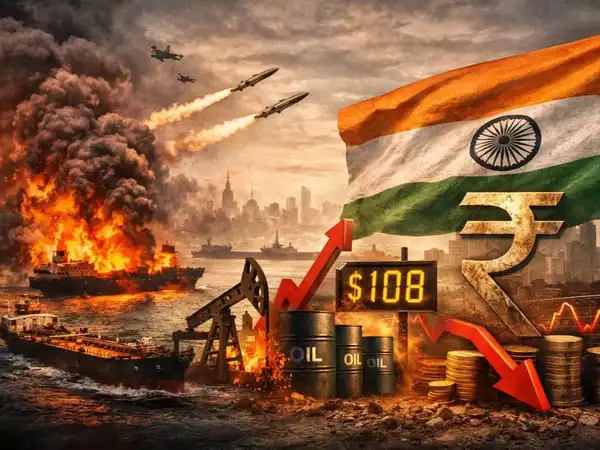
India is closely monitoring the West Asia conflict as rising tensions in the region could affect international flight routes, crude oil supply chains and the safety of millions of Indian workers living in Gulf countries.
India monitoring West Asia conflict has become a key geopolitical and economic issue because the region is critical for the country’s energy imports, aviation routes and overseas workforce. Government agencies and diplomats are assessing the situation as instability in parts of the Middle East has historically affected oil markets, international travel routes and the safety of expatriate communities. For India, which has deep economic ties with several Gulf nations, developments in West Asia can have immediate economic and logistical consequences.
Why the West Asia conflict is strategically important for India
The West Asia conflict holds significant importance for India due to the country’s dependence on energy imports from the region. India imports nearly 85 percent of its crude oil requirement, and a large share of these imports comes from Middle Eastern producers such as Saudi Arabia, Iraq and the United Arab Emirates.
Geopolitical tensions in West Asia often lead to uncertainty in global oil markets. When conflicts escalate in oil producing regions, traders anticipate supply disruptions, which can push international crude prices higher. For India, higher crude prices translate into a larger import bill and potential pressure on domestic fuel prices.
The region is also important because of key maritime routes used for energy transportation. Oil tankers travel through strategic waterways such as the Strait of Hormuz, a vital corridor through which a significant portion of global oil shipments pass. Any disruption or security risk in this area can influence global energy markets and create supply concerns for importing countries like India.
Impact on international flights and aviation routes
One of the immediate sectors affected by rising tensions in West Asia is aviation. International flights connecting India with Europe and parts of North America often cross airspace over several Middle Eastern countries. During periods of conflict or security alerts, airlines sometimes modify routes to avoid sensitive areas.
Airspace restrictions or safety advisories can force airlines to reroute flights through longer paths. This increases travel time and fuel consumption. Indian carriers as well as international airlines operating flights from cities such as Delhi, Mumbai, Hyderabad and Bengaluru closely monitor aviation advisories issued by global aviation authorities.
Longer flight paths also increase operating costs for airlines. Aircraft consume more fuel on extended routes, which can affect airline profitability. In some cases, airlines may temporarily suspend specific routes or adjust flight schedules until the situation stabilizes.
Passengers traveling internationally may notice minor delays or slightly longer flight durations if airlines choose alternate routes. Aviation regulators in India remain in coordination with global agencies to ensure passenger safety.
Concerns about oil supply and fuel price volatility
Another major concern related to the West Asia conflict is the potential impact on oil supply and fuel prices. The region accounts for a large share of the world’s crude oil production, and conflicts can disrupt supply chains or create uncertainty in energy markets.
When geopolitical tensions rise in oil producing areas, crude oil prices often react quickly. Even the possibility of disruptions can cause traders to push prices upward. For India, which relies heavily on imported oil, such fluctuations can influence domestic fuel pricing.
Oil marketing companies in India determine petrol and diesel prices based on global crude oil prices, currency exchange rates and refining costs. If crude prices remain elevated for a sustained period, it may eventually put upward pressure on domestic fuel prices.
Higher fuel prices can also affect transportation and logistics. Diesel is widely used in the movement of goods across India, so any increase in fuel costs can influence supply chains and eventually affect retail prices of essential commodities.
Safety of Indian workers in Gulf countries
Another critical aspect of India monitoring West Asia conflict is the safety of Indian workers living in the region. Millions of Indians reside and work in Gulf countries such as the United Arab Emirates, Saudi Arabia, Qatar and Kuwait.
These workers play a vital role in sectors including construction, healthcare, retail and services. Remittances sent by Indians working abroad form a significant contribution to India’s foreign exchange inflows and support many households across states like Kerala, Tamil Nadu, Uttar Pradesh and Bihar.
The Ministry of External Affairs and Indian embassies in Gulf countries closely monitor the situation during regional tensions. In the past, India has successfully conducted evacuation operations during crises in West Asia to bring back citizens safely when necessary.
At present, authorities generally advise Indian nationals in the region to stay updated with local guidelines and embassy advisories. Diplomatic channels remain active to ensure the safety and welfare of Indian communities abroad.
India’s diplomatic and energy security approach
India maintains strong diplomatic relations with several countries across West Asia. This balanced approach allows India to secure energy supplies while maintaining strategic partnerships across the region.
The country has also developed strategic petroleum reserves that can be used during supply disruptions. These reserves are designed to provide a buffer against sudden global supply shocks and help maintain stability in domestic fuel availability.
In addition, India has diversified its crude oil import sources in recent years, purchasing oil from multiple countries to reduce dependency on any single region. This strategy helps reduce the risks associated with geopolitical instability.
While the West Asia conflict continues to evolve, India’s approach remains focused on careful monitoring, diplomatic engagement and protection of national economic interests.
Takeaways
• West Asia is a crucial source of crude oil for India’s energy needs
• Aviation routes between India and Europe may change due to regional tensions
• Millions of Indian workers live in Gulf countries, making their safety a priority
• Rising geopolitical tensions can cause global oil price volatility affecting India
FAQs
Why is West Asia important for India’s oil supply?
West Asia supplies a large share of India’s crude oil imports. Countries like Saudi Arabia, Iraq and the UAE are among India’s key energy partners.
Can the conflict affect flights from India to Europe?
Yes. Airlines may reroute flights to avoid conflict zones or restricted airspace, which can increase flight duration and operational costs.
How many Indians live in Gulf countries?
Millions of Indians work in Gulf countries across sectors such as construction, services and healthcare. Their remittances contribute significantly to India’s economy.
Could the West Asia conflict increase petrol and diesel prices in India?
If global crude oil prices rise due to geopolitical tensions and remain high for a prolonged period, domestic fuel prices may face upward pressure.











Leave a comment