

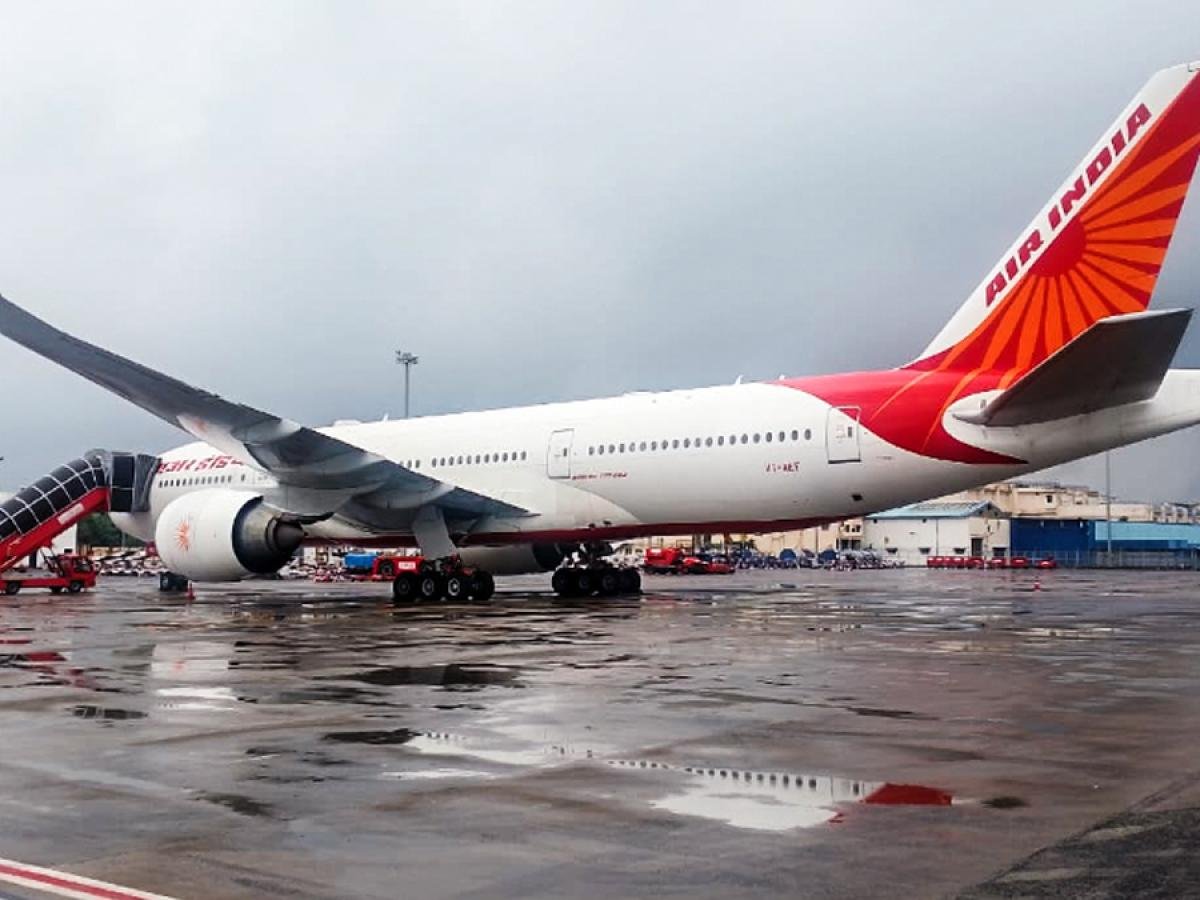
Airlines across the world are adjusting international flight routes as Middle East airspace tensions continue to create safety concerns. Carriers operating between Asia, Europe and North America are modifying routes, increasing flight times and monitoring advisories from global aviation authorities.
Several international flights are being adjusted as Middle East airspace tensions continue to influence aviation safety decisions. Airlines and aviation regulators closely monitor geopolitical developments in the region because major global flight corridors pass through Middle Eastern airspace. As tensions rise in parts of West Asia, carriers often reroute flights to avoid potentially risky areas. These adjustments are aimed at protecting passengers and crew while maintaining operational continuity for international travel.
Why airlines are rerouting flights through alternative corridors
Airlines adjusting international flights during geopolitical tensions is a standard aviation safety practice. Many long haul routes between Asia and Europe typically pass through airspace over countries in the Middle East because it offers the most efficient path between the two regions.
When conflicts or military activity occur in or near these airspaces, aviation authorities may issue warnings or restrictions. Airlines then evaluate whether to continue flying through those corridors or divert aircraft through alternative routes. These alternative routes often pass through Central Asia, the Mediterranean region or other nearby airspaces considered safer.
Rerouting decisions are usually based on information from aviation regulators, air navigation authorities and intelligence assessments. Safety remains the primary concern, and airlines prefer to avoid areas where there is any possibility of missile activity, military exercises or restricted airspace conditions.
Impact of Middle East airspace tensions on flight duration
One of the most immediate consequences of rerouted flights is an increase in travel time. When airlines avoid certain airspaces, aircraft may need to take longer paths to reach their destinations. This can add anywhere from several minutes to a few hours depending on the route.
Flights between India and Europe are among those affected because many of these journeys normally pass through parts of the Middle East. If airlines divert northward or westward to avoid sensitive zones, travel time increases and flight schedules may need to be adjusted.
Passengers may experience longer flight durations or slightly delayed arrival times. Airlines usually inform travelers in advance if there are major changes to schedules. In most cases, flights still operate normally but follow modified routes designed to ensure safety.
Higher fuel consumption and airline operating costs
Airlines rerouting flights due to Middle East airspace tensions also face higher operational costs. Longer routes require more fuel, which increases expenses for airlines already dealing with fluctuating aviation fuel prices.
Fuel is one of the largest cost components for airline operations. Even a small increase in flight distance can significantly raise fuel consumption. When airlines operate multiple long haul flights daily, these additional costs accumulate quickly.
To manage these challenges, airlines sometimes adjust ticket prices, optimize flight schedules or deploy aircraft that offer better fuel efficiency. However, most airlines prioritize safety decisions even if they lead to higher short term operating costs.
Aviation analysts note that geopolitical tensions affecting flight routes have occurred in the past as well. Airlines typically adapt quickly by using alternate flight corridors until the situation stabilizes.
Aviation safety advisories and international coordination
Global aviation safety is coordinated through organizations such as the International Civil Aviation Organization and regional aviation regulators. These agencies issue advisories about potential risks in specific airspaces.
When tensions escalate in a particular region, airlines receive guidance about areas that may require caution or avoidance. Airlines also rely on data from satellite monitoring systems and air traffic control authorities to track developments in real time.
Civil aviation authorities in countries such as India, the United States and European nations regularly communicate with airlines to ensure that flight operations remain safe. Decisions to adjust flight routes are usually made after careful evaluation of available intelligence and safety information.
These coordinated efforts help ensure that passenger safety remains the top priority even during periods of geopolitical uncertainty.
Effects on passengers traveling internationally
For passengers, the most noticeable effect of flight route adjustments is usually longer travel times. In some cases, flight schedules may shift slightly to accommodate extended routes or refueling requirements.
However, the majority of flights continue to operate as planned. Airlines generally avoid canceling routes unless security risks are extremely high. Instead, they prefer to use alternative air corridors that allow flights to continue safely.
Travelers flying between India, Europe and North America may notice slight changes in flight paths or durations while Middle East airspace tensions continue. Airlines and aviation authorities emphasize that these adjustments are precautionary measures designed to maintain high safety standards.
Passengers are advised to check airline notifications before travel and stay updated on schedule changes if geopolitical tensions persist.
Takeaways
• Airlines are adjusting international flights to avoid sensitive Middle East airspace
• Rerouted flights may increase travel time for routes between Asia and Europe
• Longer routes lead to higher fuel consumption and airline operating costs
• Aviation authorities coordinate globally to ensure passenger safety during conflicts
FAQs
Why are airlines changing flight routes due to Middle East tensions?
Airlines adjust routes to avoid airspaces where conflicts or military activities may create safety risks for civilian aircraft.
Which flights are most affected by Middle East airspace issues?
Flights connecting Asia, India and Europe are commonly affected because many of these routes normally pass through Middle Eastern airspace.
Do flight adjustments mean flights will be canceled?
Not necessarily. Most flights continue to operate but follow alternative routes that avoid potentially risky airspaces.
Will ticket prices increase because of rerouted flights?
Longer routes increase fuel costs for airlines, which may influence ticket pricing if higher operational expenses continue for an extended period.











Leave a comment