

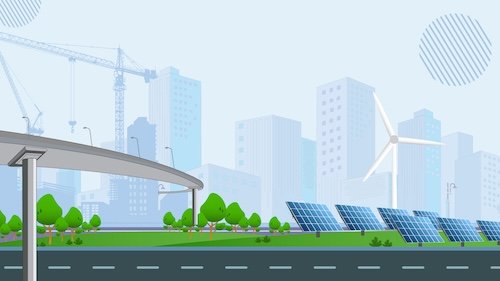
State governments across India are accelerating infrastructure development in Tier-2 cities to support regional economic growth. Investments in roads, public transport, industrial corridors and digital connectivity are reshaping smaller urban centers and reducing pressure on overcrowded metropolitan areas.
The infrastructure push in Tier-2 cities has become a key policy focus for many Indian state governments in recent years. With large metros facing congestion and high real estate costs, policymakers are directing investments toward smaller cities to stimulate economic activity, improve connectivity and encourage balanced regional development.
Infrastructure Investment Expands Across Tier-2 Cities
The infrastructure push in Tier-2 cities reflects a broader strategy by both central and state governments to diversify economic growth beyond major metropolitan areas. Cities such as Indore, Surat, Nagpur, Coimbatore, Bhubaneswar and Lucknow have seen significant improvements in roads, logistics networks and urban infrastructure.
Major national initiatives such as the Smart Cities Mission, Bharatmala highway program and various state level urban development projects have played a role in accelerating infrastructure growth. These programs aim to modernize transport systems, improve urban services and attract private investment to emerging cities.
Many state governments are also investing in airport expansion, metro rail feasibility studies and integrated bus transport systems in Tier-2 locations. Improved connectivity helps businesses expand operations outside traditional metro hubs while providing residents with better access to jobs and services.
Urban planners believe these investments are essential for supporting India’s rapidly growing urban population, which is expected to increase significantly over the next two decades.
Industrial Corridors and Regional Economic Growth
Industrial development is a major factor behind the growing focus on regional infrastructure. Several states are establishing industrial corridors and manufacturing zones near Tier-2 cities to attract domestic and international investors.
For example, the Delhi Mumbai Industrial Corridor and other regional industrial projects are designed to connect manufacturing clusters with efficient transport networks. These corridors integrate highways, rail freight routes and logistics hubs to reduce transportation costs.
When infrastructure improves, industries find it easier to establish factories and distribution centers in smaller cities. This creates employment opportunities and stimulates local economies.
State governments often provide incentives such as land availability, tax benefits and simplified regulatory processes to encourage companies to set up operations in Tier-2 regions.
As a result, several emerging cities are gradually becoming manufacturing and service sector hubs.
Urban Infrastructure Projects Transforming Smaller Cities
Urban infrastructure projects in Tier-2 cities are not limited to industrial development. Governments are also focusing on improving the quality of life for residents through better civic amenities and public facilities.
Projects include the expansion of water supply networks, sewage treatment plants, public parks and modernized street lighting systems. Digital infrastructure such as high speed internet connectivity is also becoming a priority.
In many cities, municipal authorities are introducing intelligent traffic management systems, smart surveillance networks and upgraded public transport services. These initiatives are intended to make smaller cities more livable and attractive to investors.
Improved infrastructure also supports the growth of education institutions, healthcare facilities and commercial centers. This helps reduce the need for residents to migrate to large metropolitan areas for employment or basic services.
Why Governments Are Prioritizing Regional Development
One of the main reasons behind the infrastructure push in Tier-2 cities is the increasing pressure on major urban centers such as Mumbai, Delhi and Bengaluru. These cities face challenges including traffic congestion, high housing costs and strained public services.
By strengthening infrastructure in smaller cities, governments hope to distribute economic opportunities more evenly across regions. This approach encourages businesses to expand into new locations while creating employment opportunities closer to people’s hometowns.
Improved infrastructure also supports tourism, agriculture and logistics sectors in regional areas. Better road connectivity allows farmers and small manufacturers to transport goods more efficiently to markets.
Many policymakers see regional development as essential for sustaining long term economic growth while reducing regional inequality.
Future Outlook for Tier-2 Urban Growth
Experts believe the role of Tier-2 cities in India’s economic landscape will continue to expand. With improving infrastructure and lower operating costs compared to major metros, these cities are becoming attractive destinations for startups, manufacturing firms and technology companies.
Real estate developers are also investing heavily in emerging urban centers, building residential complexes, commercial hubs and integrated townships.
Government policies promoting digital governance, smart city infrastructure and industrial development are likely to accelerate this transformation further.
However, urban planners emphasize that infrastructure expansion must be accompanied by sustainable development strategies. Efficient land use, environmental protection and inclusive urban planning will be important to ensure long term growth benefits local communities.
As infrastructure projects progress, Tier-2 cities are expected to play an increasingly important role in shaping India’s economic future.
Takeaways
State governments are increasing infrastructure investments in Tier-2 cities to promote regional economic growth.
Improved roads, logistics networks and industrial corridors are attracting businesses to smaller urban centers.
Urban infrastructure projects are enhancing public services and quality of life in emerging cities.
Balanced regional development aims to reduce pressure on major metropolitan areas and create new opportunities.
FAQs
What are Tier-2 cities in India?
Tier-2 cities are mid-sized urban centers that are smaller than major metros but have growing populations and economic potential.
Why are governments investing in infrastructure in Tier-2 cities?
Investments help stimulate regional economic growth, attract businesses and reduce overcrowding in major metropolitan areas.
Which sectors benefit most from improved infrastructure?
Manufacturing, logistics, tourism, real estate and technology sectors often benefit from better connectivity and urban services.
Will Tier-2 cities become major economic hubs in the future?
Many experts believe that continued infrastructure development will help several Tier-2 cities emerge as important economic centers.











Leave a comment