

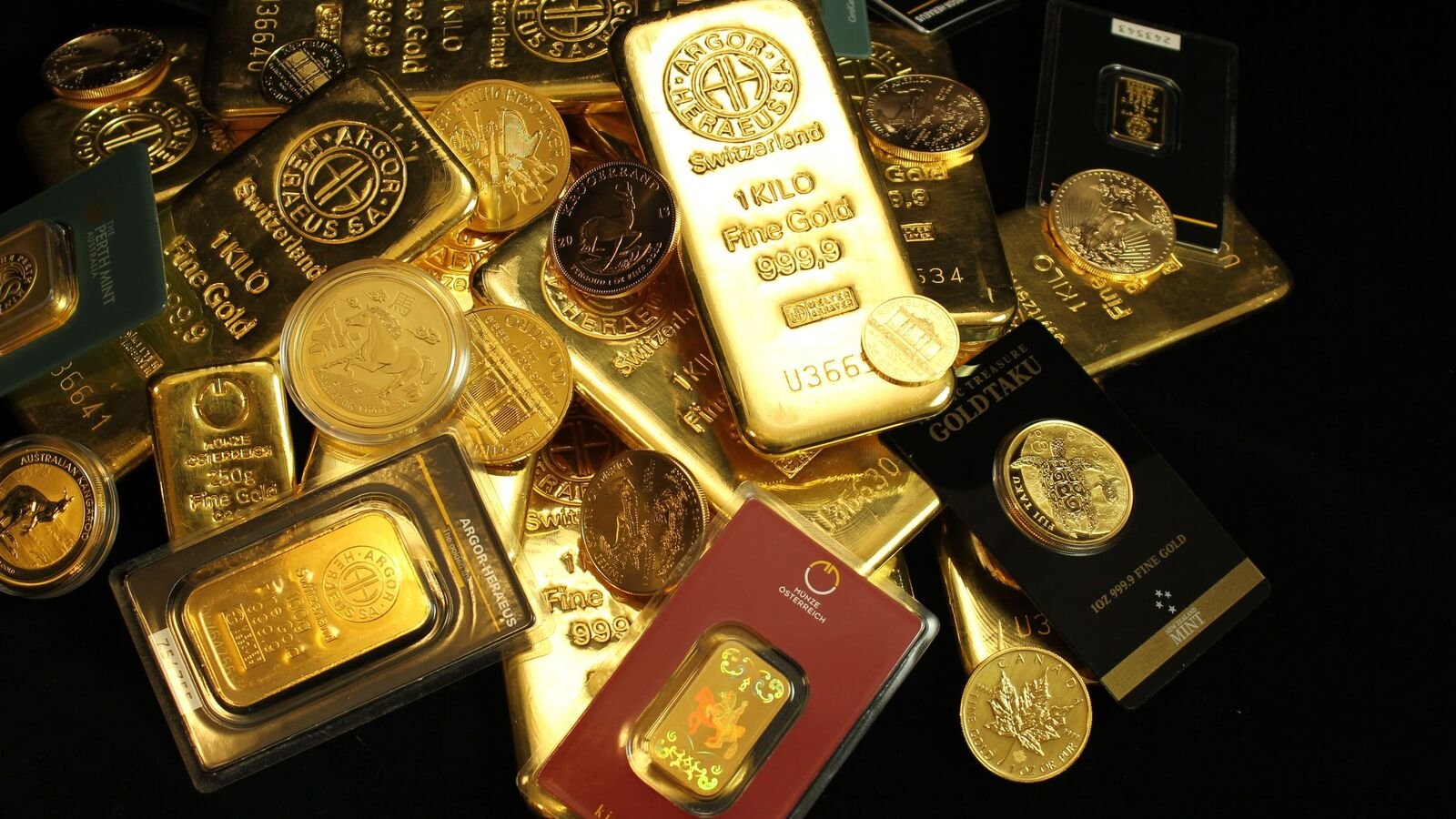
Short Summary: Rising gold prices are reshaping investment decisions for middle class households in India’s regional markets. As economic uncertainty and inflation concerns persist, gold remains a preferred asset, but higher costs are influencing buying patterns, savings habits, and financial planning approaches.
Rising gold prices have become a significant factor influencing financial choices for middle class investors in regional markets across India. Gold has traditionally been viewed as a safe haven asset, especially during periods of economic uncertainty or inflation. However, sustained price increases are prompting households in smaller cities and towns to reconsider how they allocate savings and manage long term investment goals.
Why Gold Remains A Preferred Investment In India
Gold continues to hold cultural and financial significance in Indian households. Beyond its use in jewellery and festivals, it serves as a hedge against currency fluctuations and market volatility. Middle class families often rely on gold as a tangible asset that can be liquidated during emergencies.
In regional markets, access to formal financial instruments may still be limited compared to metropolitan areas. This reinforces the preference for gold as a trusted store of value. Even as digital investment options gain popularity, traditional attitudes toward gold ownership remain deeply rooted in social and economic behaviour.
Impact Of Rising Gold Prices On Household Savings
Sustained increases in gold prices can affect how families plan major purchases and life events. Weddings, festivals, and long term savings plans often involve significant gold buying. When prices rise sharply, households may either postpone purchases or reduce quantity, altering consumption patterns in local markets.
Higher gold prices can also shift savings toward alternative instruments such as fixed deposits, mutual funds, or government backed schemes. Financial advisors note that diversification is becoming more common among younger investors in smaller cities. This reflects a gradual transition from purely traditional investment strategies to mixed portfolios.
Regional Jewellery Markets And Retail Dynamics
Local jewellery businesses are directly influenced by fluctuations in gold prices. Retailers in Tier two and Tier three cities often experience variations in demand linked to price trends. While festive and wedding seasons typically drive sales, price sensitivity among middle class buyers can lead to cautious purchasing behaviour.
Jewellers are increasingly offering flexible payment options, lightweight designs, and exchange schemes to maintain customer interest. Such strategies aim to balance affordability with continued consumer engagement. The regional jewellery sector plays an important role in local employment and economic activity.
Macroeconomic Factors Driving Gold Price Trends
Global economic conditions significantly influence gold price movements. Factors such as inflation, interest rate policies, geopolitical uncertainty, and currency fluctuations contribute to market volatility. When investors seek safe assets, demand for gold tends to rise, pushing prices higher.
In India, import dependency for gold adds another layer of complexity. Exchange rate changes can affect domestic pricing, making gold more expensive for consumers. These macroeconomic dynamics highlight the interconnected nature of global markets and local financial decisions.
Digital Gold And Changing Investment Behaviour
Technological advancements have introduced new ways for investors to access gold. Digital gold platforms, sovereign gold bonds, and gold exchange traded funds are becoming more visible even in regional markets. These options provide alternatives to physical gold while offering liquidity and transparency.
Younger investors are showing interest in these instruments due to convenience and lower storage risks. However, awareness and financial literacy remain critical for wider adoption. Financial institutions and regulators continue to promote investor education to ensure informed decision making.
Balancing Tradition With Modern Financial Planning
The rise in gold prices underscores the need for balanced financial planning among middle class households. While gold remains an important component of savings, over reliance on a single asset can expose investors to risk. Diversification strategies that include equity, debt, and government schemes can improve financial resilience.
Regional economic growth and expanding access to banking services are gradually reshaping investment landscapes. As financial inclusion improves, households may adopt more structured approaches to wealth management. The evolving relationship between tradition and modern finance will shape future investment trends.
Takeaways
• Rising gold prices are influencing savings and investment behaviour in regional markets
• Cultural preferences continue to sustain demand for gold as a safe asset
• Jewellery retailers are adapting strategies to address price sensitive consumers
• Diversification and financial literacy are becoming increasingly important
FAQ
Why are gold prices rising in India
Global economic uncertainty, inflation trends, and currency fluctuations contribute to higher domestic gold prices.
How do rising gold prices affect middle class investors
They may adjust purchasing decisions, diversify investments, or delay major gold related expenses.
Are there alternatives to buying physical gold
Yes, investors can consider sovereign gold bonds, digital gold platforms, or gold ETFs for exposure.
Is gold still a safe investment option
Gold remains a traditional safe haven asset, but balanced portfolios can help manage overall financial risk











Leave a comment