

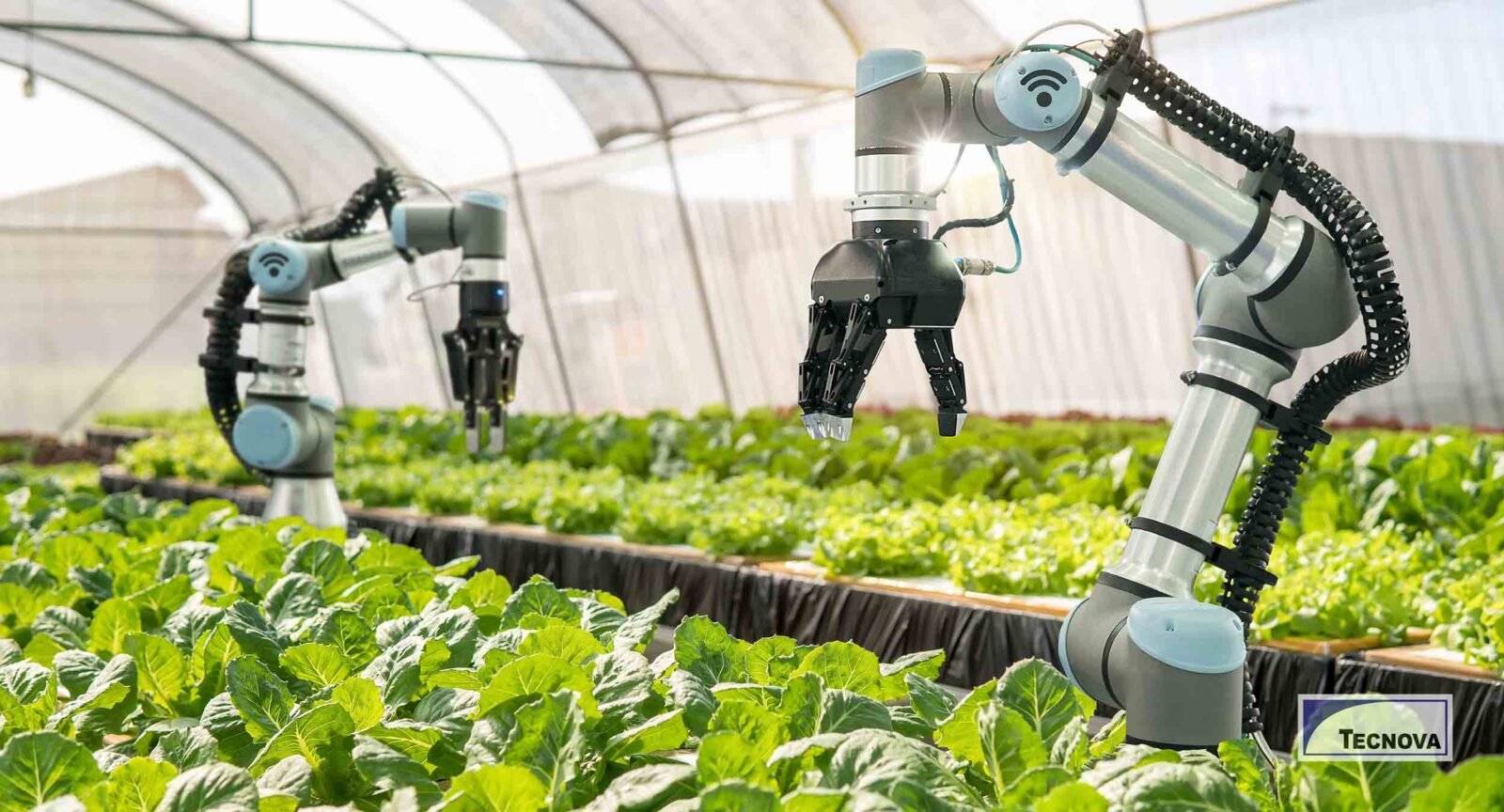
India is witnessing a sharp rise in agri-tech adoption as farmers respond to unpredictable weather patterns and climate shocks. From precision farming tools to weather-based advisory apps, technology is increasingly becoming central to risk management in Indian agriculture, especially in Tier-2 and rural regions.
Climate shocks push farmers toward technology solutions
Agri-tech adoption in India has accelerated in recent years due to repeated climate disruptions such as unseasonal rains, heatwaves, and hailstorms. Farmers across states like Maharashtra, राजस्थान, and Madhya Pradesh have faced crop losses linked to erratic weather, forcing a shift toward more data-driven farming practices.
The frequency of extreme weather events has increased over the past decade, impacting sowing cycles and yield predictability. Traditional farming methods, which rely heavily on historical weather patterns, are proving less reliable. As a result, farmers are actively exploring tools that offer real-time insights and predictive support.
This shift is not limited to large landholders. Small and marginal farmers in Tier-2 and Tier-3 regions are also engaging with mobile-based solutions that help them make faster and more informed decisions.
Rise of agri-tech startups and digital platforms
India’s agri-tech ecosystem has expanded rapidly, with startups offering solutions across the value chain. These include weather intelligence platforms, soil health monitoring tools, crop advisory apps, and digital marketplaces connecting farmers directly to buyers.
Platforms providing hyperlocal weather forecasts are gaining traction. These tools allow farmers to plan irrigation, pesticide use, and harvesting based on accurate short-term forecasts. Similarly, soil testing technologies are helping optimize fertilizer usage, reducing both cost and environmental impact.
Government-backed initiatives and private players are also promoting digital adoption through training programs and rural outreach. This has led to increased awareness and accessibility, particularly in states with strong agricultural dependence.
Precision farming and smart irrigation gain ground
Precision farming is emerging as a key trend within agri-tech adoption. Farmers are using sensors, GPS-based tools, and satellite data to monitor crop health and manage resources efficiently. This approach minimizes wastage and improves yield consistency.
Smart irrigation systems, including drip irrigation combined with automated controls, are becoming more common in water-stressed regions. These systems allow farmers to regulate water usage based on soil moisture levels and weather conditions.
Such technologies are especially relevant in regions facing irregular rainfall patterns. By reducing dependency on manual decision-making, they help stabilize output even in uncertain climatic conditions.
Government policies and subsidies driving adoption
Government schemes are playing a crucial role in accelerating agri-tech adoption in India. Initiatives focused on digital agriculture, subsidy support for irrigation systems, and promotion of farmer-producer organizations are creating an enabling environment.
Programs encouraging the use of drones for crop monitoring and pesticide spraying are also gaining momentum. These technologies not only improve efficiency but also reduce labor dependency, which remains a challenge in many rural areas.
Additionally, public-private partnerships are helping bridge the gap between innovation and on-ground implementation. Training and awareness campaigns are critical in ensuring that farmers understand how to use these tools effectively.
Challenges still limiting large-scale adoption
Despite the growth, agri-tech adoption faces several barriers. Digital literacy remains a significant challenge, particularly among older farmers. Access to reliable internet connectivity in remote areas also limits the effectiveness of many digital solutions.
Cost is another factor. While some tools are affordable, advanced technologies like sensors and automation systems require initial investment, which may not be feasible for all farmers without financial support.
Trust also plays a role. Farmers often rely on traditional knowledge and community practices, and transitioning to technology-driven methods requires time and consistent positive outcomes.
A long-term shift in Indian agriculture
The rise in agri-tech adoption signals a structural shift in Indian agriculture. Climate uncertainty is no longer a temporary disruption but an ongoing reality, pushing farmers to adapt through innovation.
As technology becomes more accessible and localized, adoption is expected to deepen further. The focus is likely to move toward integrated solutions that combine weather data, market access, and financial services into a single ecosystem.
For India’s agricultural sector, this transition could improve resilience, increase productivity, and reduce vulnerability to climate risks. The pace of adoption will depend on how effectively stakeholders address existing challenges while continuing to build trust at the grassroots level.
Takeaways
• Climate shocks are accelerating the shift toward technology-driven farming in India
• Agri-tech platforms offering weather and soil insights are gaining widespread traction
• Government support and startup innovation are key drivers of adoption
• Challenges like digital literacy and cost still limit full-scale penetration
FAQs
Q1. What is agri-tech adoption in India?
Agri-tech adoption refers to the use of technology such as mobile apps, sensors, and data analytics to improve farming practices, productivity, and decision-making.
Q2. Why are Indian farmers adopting agri-tech now?
Frequent climate shocks like unseasonal rains and heatwaves have made traditional farming less predictable, pushing farmers to adopt technology for better risk management.
Q3. Which agri-tech tools are most popular among farmers?
Weather forecasting apps, soil testing tools, precision irrigation systems, and digital marketplaces are among the most widely used technologies.
Q4. What are the main challenges in agri-tech adoption?
Key challenges include lack of digital literacy, limited internet access in rural areas, high initial costs, and resistance to change.












Leave a comment