

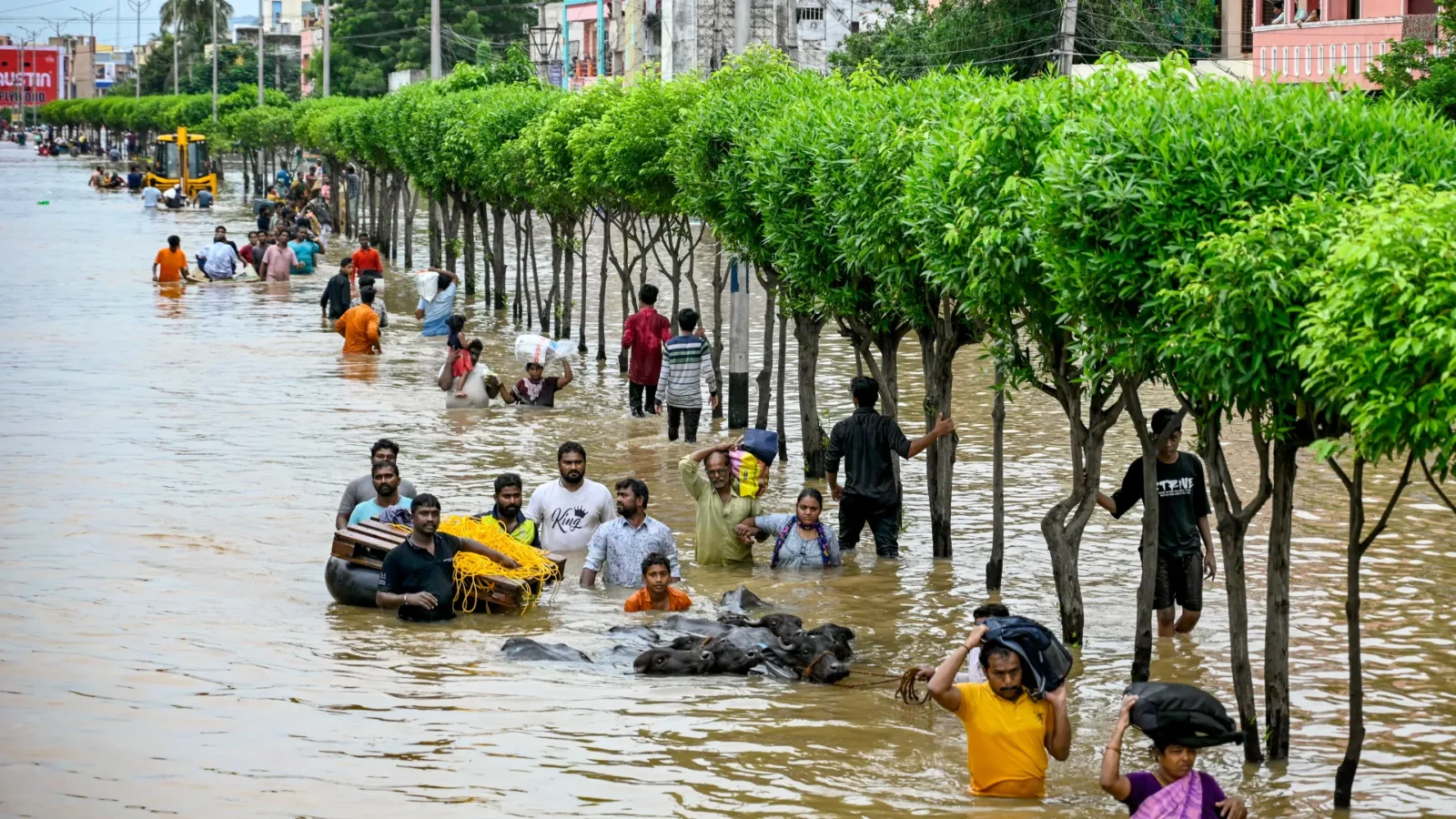
Weather videos on social media are rapidly turning into a dominant content category, especially during extreme climate events. From storm clips to rainfall updates, creators are now acting as real-time news sources, reshaping how audiences consume breaking information online.
Weather videos on social media surge during extreme conditions
Weather videos on social media have seen a sharp rise as India experiences frequent unseasonal rains, thunderstorms, and heat fluctuations. Over the past few weeks, multiple regions including North and Central India have recorded sudden weather changes, leading to a spike in user-generated video content.
Platforms like Instagram Reels, YouTube Shorts, and X are flooded with clips showing hailstorms, strong winds, waterlogging, and lightning. These videos often capture hyperlocal conditions that traditional news channels may not immediately cover.
This shift is particularly visible in Tier-2 and Tier-3 cities where local creators document real-time weather conditions in their neighborhoods. The immediacy of these videos makes them highly engaging and shareable.
Rise of real-time news content creators in India
Real-time news content creators are emerging as a new category within the digital ecosystem. Unlike traditional journalists, these creators do not operate through formal newsrooms but rely on smartphones and social media platforms to publish updates instantly.
Many creators now treat weather events as content opportunities. They record, edit, and upload videos within minutes, often adding location tags and brief context. This speed gives them an advantage in capturing audience attention before mainstream coverage catches up.
Some creators have built niche audiences by consistently posting local updates. Over time, they become trusted sources within their communities, especially during emergencies like heavy rainfall or storm alerts.
Why short-form weather content is going viral
Short-form weather content performs well due to its high visual impact and urgency. Videos showing sudden storms or dramatic skies naturally attract attention and encourage repeat views.
The algorithmic structure of platforms like Instagram prioritizes content that generates quick engagement. Weather videos often achieve this through shock value and relevance. A sudden hailstorm in a familiar city instantly connects with viewers, increasing shares and comments.
Another factor is relatability. Users are more likely to engage with content that reflects their immediate environment. When someone sees a video from their own city or nearby area, the perceived value of that content increases significantly.
Role of platforms and algorithms in amplifying weather updates
Social media platforms play a crucial role in amplifying weather-related content. During periods of high activity, algorithms push trending topics to wider audiences, creating a snowball effect.
Hashtags related to storms, rain, and specific cities often trend during extreme weather events. This allows even small creators to gain visibility if their content aligns with the ongoing narrative.
Live features and story updates further enhance real-time reporting. Users can broadcast ongoing weather conditions, providing continuous updates that traditional formats cannot match in speed.
However, this rapid amplification also raises concerns about accuracy and context, especially when videos lack verified information.
Challenges around misinformation and lack of verification
While weather videos on social media provide immediacy, they also come with risks. Not all content is accurately labeled or contextualized. Old videos are sometimes reshared as current events, leading to confusion.
There have been instances where clips from different locations or previous years were circulated during ongoing weather alerts. Without proper verification, such content can mislead audiences and create unnecessary panic.
Experts emphasize the need for users to cross-check information with official sources like the India Meteorological Department. Creators also carry a responsibility to provide accurate captions and avoid exaggeration.
Impact on traditional news consumption patterns
The rise of creator-led weather updates is gradually changing how people consume news. Instead of waiting for scheduled bulletins, users now rely on real-time updates from social media.
This does not replace traditional journalism but complements it. News organizations are also adapting by incorporating user-generated content into their coverage, especially during fast-moving events.
For audiences in smaller cities, this shift offers greater visibility. Local issues that might not make national headlines are now reaching wider audiences through viral videos.
Takeaways
• Weather videos on social media are becoming a major real-time news source
• Tier-2 creators are playing a key role in documenting local conditions
• Short-form video and algorithms are driving rapid virality
• Misinformation remains a challenge, making verification essential
FAQs
Q1. Why are weather videos trending on social media?
Frequent extreme weather events and the visual nature of storms and rainfall make such content highly engaging and shareable.
Q2. Are social media weather updates reliable?
They can provide real-time insights but should be verified with official sources like IMD for accuracy.
Q3. Who are real-time news content creators?
They are individuals who capture and share live updates of events, including weather, using social media platforms.
Q4. How are platforms promoting weather content?
Algorithms boost trending and high-engagement posts, especially during ongoing events, increasing their reach.












Leave a comment