

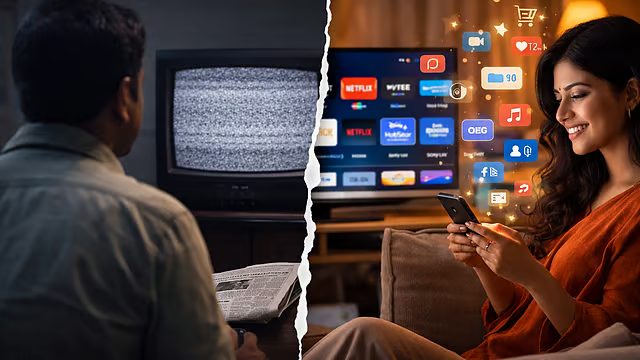
TV reality shows losing ground to short-form content is becoming a clear trend in 2026, driven by changing viewer behavior and digital consumption patterns. Data across platforms shows a steady shift toward quick, mobile-first entertainment formats over long episodic television.
Viewer Shift from TV Reality Shows to Short-Form Content
The trend of TV reality shows losing ground reflects a broader transformation in how audiences consume content. Traditional reality shows, once dominant in Indian households, are now facing declining engagement, especially among younger viewers.
Platforms like Instagram, YouTube, and Moj are capturing a significant share of daily screen time. Users are increasingly opting for short videos that deliver entertainment in under a minute.
This shift is particularly strong in Tier-2 and Tier-3 cities, where mobile-first consumption has become the default. Unlike scheduled TV programming, short-form content offers on-demand access and instant gratification.
Why Short-Form Content Is Replacing Reality TV
Several factors explain why short-form content is outperforming TV reality shows. The most important is time efficiency. Viewers prefer consuming multiple short videos instead of committing to hour-long episodes.
Attention spans have shortened, especially among Gen Z audiences. Fast-paced, algorithm-driven feeds keep users engaged continuously, reducing the appeal of slower, structured formats.
Content variety is another advantage. Short-form platforms offer a wide range of topics, from comedy and lifestyle to news snippets and educational content. This diversity attracts a broader audience base.
Additionally, creators can respond quickly to trends, making short-form content more relevant and timely compared to pre-produced television shows.
Data Trends Highlight Declining TV Engagement
Industry data suggests a gradual decline in television viewership for reality shows, particularly outside prime-time slots. While flagship shows still attract audiences, overall engagement levels have dropped compared to previous years.
Advertisers are also shifting budgets toward digital platforms where engagement metrics are more measurable. Short-form content provides higher interaction rates, including likes, shares, and comments, making it more attractive for brands.
In smaller cities, where smartphone penetration has increased significantly, viewers are spending more time on mobile apps than on television. This shift is reshaping advertising strategies and content production priorities.
Broadcasters are responding by integrating digital elements, but the gap between traditional TV and digital platforms continues to widen.
Impact on Television Industry and Content Strategy
The decline of TV reality shows is forcing broadcasters to rethink their content strategies. Many networks are now creating shorter digital versions of their shows to stay relevant.
Some reality shows are incorporating social media interactions, allowing viewers to engage through online voting and live updates. However, these efforts have had mixed results in retaining younger audiences.
Production costs for TV reality shows remain high, making it difficult to compete with low-cost, high-volume short-form content. This economic factor is accelerating the shift toward digital platforms.
Content creators who once relied on television are now building independent audiences on social media, reducing dependency on traditional media channels.
Rise of Creator Economy in Short-Form Content
The growth of short-form content is closely linked to the rise of the creator economy. Individuals can now produce and distribute content without the need for large production teams or broadcasting networks.
This democratization of content creation has led to an explosion of new voices and formats. Creators from smaller cities are gaining national recognition through viral content.
Monetization opportunities, including brand collaborations and platform incentives, are attracting more creators to short-form platforms. This further strengthens the ecosystem and increases content supply.
As a result, viewers have more options than ever, reducing reliance on scheduled television programming.
Future Outlook for TV and Digital Content Balance
The shift from TV reality shows to short-form content is expected to continue, but television is unlikely to disappear entirely. Major events and high-production shows will still draw audiences.
However, the balance of power is clearly moving toward digital platforms. Broadcasters will need to adapt by embracing hybrid models that combine traditional and digital content.
Short-form content will continue to evolve, with improvements in quality and storytelling. Platforms will invest more in creator tools and monetization features to sustain growth.
For viewers, the change means greater control over what, when, and how they consume content.
Takeaways
• TV reality shows are losing viewership as short-form content gains popularity
• Mobile-first platforms are driving higher engagement, especially in smaller cities
• Advertisers are shifting budgets toward digital due to better engagement metrics
• The creator economy is accelerating the decline of traditional television formats
FAQs
Q1. Why are TV reality shows losing popularity in 2026?
Viewers prefer short, engaging content that can be consumed quickly on mobile devices.
Q2. Which platforms are leading the short-form content trend?
Platforms like Instagram, YouTube, and Moj are driving this shift.
Q3. Is television becoming obsolete?
No, but its dominance is declining as digital platforms gain more viewers.
Q4. How are broadcasters adapting to this change?
They are creating digital content, integrating social media, and experimenting with shorter formats.












Leave a comment