

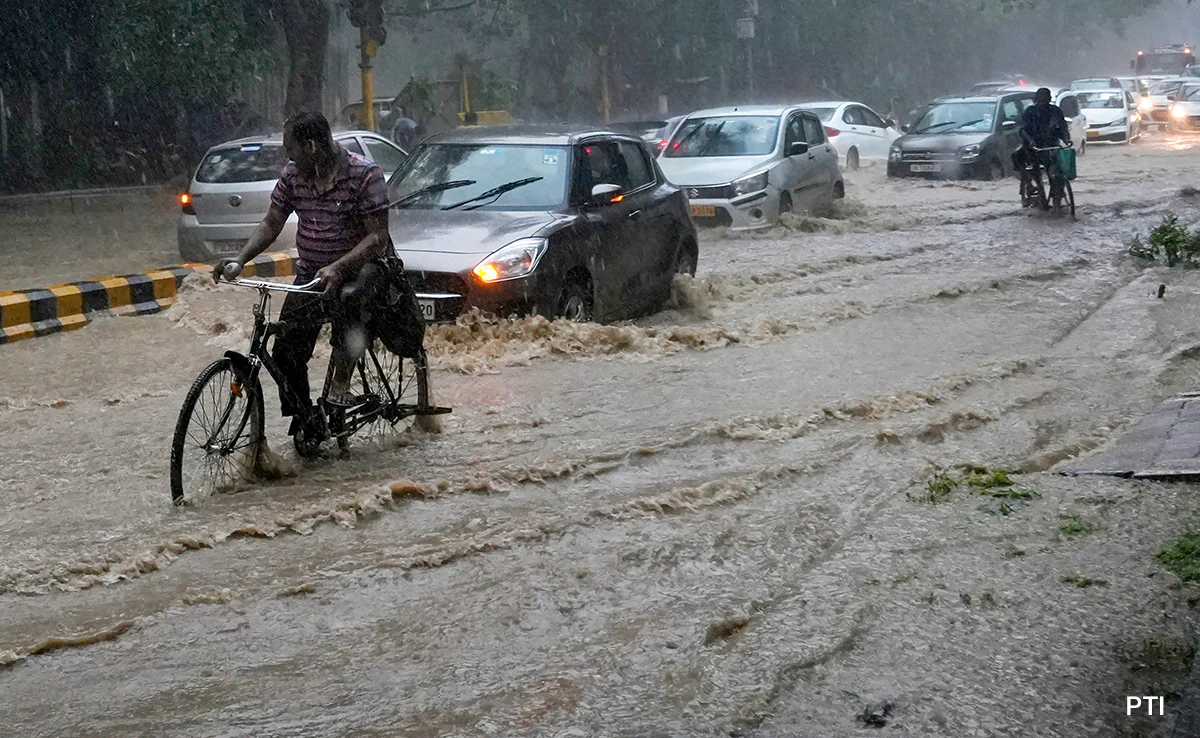
Unseasonal rainfall across North India has led to a sharp drop in temperatures, affecting daily routines, farming activities, and transport systems. Cities that were preparing for peak summer are now facing unexpected weather shifts with real economic and logistical impact.
The rain brings sudden temperature drop in North India cities, catching both residents and systems off guard. While the cooler conditions offer temporary relief from rising heat, the broader impact on agriculture, commuting, and urban infrastructure is becoming increasingly visible.
Unexpected April Rainfall Across North India Cities
Several parts of North India, including Delhi, Chandigarh, Lucknow, and Jaipur, have recorded sudden rainfall accompanied by thunderstorms over the past few days. This weather activity is linked to western disturbances, a common system that brings moisture and rain during the winter months but is now extending into April.
Typically, April marks a steady rise in temperatures across the region. However, this year, intermittent rain spells have disrupted that pattern. Day temperatures have dropped noticeably, and evenings have turned cooler than seasonal averages.
For residents, the sudden shift has created confusion around daily planning, clothing, and travel. For local administrations, it has meant managing weather related disruptions outside the usual monsoon cycle.
Impact on Commuters and Urban Transport Systems
The sudden temperature drop and rainfall have directly affected daily commuting in major and mid sized cities. Waterlogging in low lying areas has slowed traffic movement, especially during peak office hours.
In cities like Delhi and Lucknow, short but intense rain spells have led to traffic congestion, delays in public transport, and an increase in minor road accidents. Poor drainage systems in several urban pockets continue to amplify the problem.
Rail and flight operations have also seen minor disruptions due to reduced visibility and wet conditions. For daily wage workers and small business owners, these disruptions translate into lost working hours and reduced earnings.
The unpredictability of such rain events makes it difficult for commuters to plan ahead, especially in Tier 2 cities where real time traffic and weather updates are less accessible.
Agricultural Concerns From Unseasonal Rainfall
The impact of rain in April is more serious for farmers than for urban residents. This period coincides with the harvesting phase of rabi crops such as wheat, barley, and mustard. Excess moisture at this stage can damage crops and reduce their market value.
Farmers in states like Punjab, Haryana, and Uttar Pradesh are particularly vulnerable. Even a short spell of rain can lead to grain discoloration, lodging of crops, and delays in harvesting operations.
In some areas, reports of hailstorms have added to the damage. Hail can physically destroy standing crops, leading to immediate financial loss. Since many farmers operate on tight margins, such weather shocks can significantly affect their annual income.
Crop insurance schemes exist, but awareness and access remain inconsistent, especially in smaller districts. This makes recovery from such losses more difficult.
Role of Western Disturbances and Climate Variability
Meteorologists attribute the current weather pattern to active western disturbances interacting with local heat conditions. These systems are bringing moisture laden winds into North India, triggering rain and thunderstorms even during late spring.
There is also growing evidence of climate variability influencing seasonal behavior. Weather patterns are becoming less predictable, with extended winters, irregular rainfall, and delayed heatwaves.
Such changes have long term implications. Urban planning, agricultural cycles, and water management systems are all based on historical climate patterns. As these patterns shift, existing systems struggle to adapt quickly.
For policymakers, this highlights the need to integrate climate resilience into both urban and rural planning frameworks.
Short Term Relief vs Long Term Challenges
While the temperature drop has provided temporary relief from heat, especially in cities like Delhi and Jaipur, the benefits are short lived. The larger concern is the disruption caused by such unseasonal events.
For households, it means adjusting daily routines and dealing with unexpected expenses or delays. For farmers, it raises the risk of crop damage at a critical time. For city administrations, it exposes gaps in infrastructure readiness.
The key challenge is balancing immediate response with long term adaptation. As weather patterns continue to evolve, both individuals and systems will need to become more flexible and responsive.
Improving Preparedness for Sudden Weather Changes
Improving preparedness starts with better communication of weather forecasts. While agencies provide updates, last mile delivery remains weak in many areas. More localized alerts through mobile networks and regional language platforms can help.
Urban infrastructure needs upgrades, especially drainage systems and traffic management during rain. Even short bursts of rainfall should not lead to widespread disruption.
For farmers, timely advisories and access to protective measures such as crop insurance and storage facilities can reduce losses. Extension services must be strengthened to ensure that information reaches the ground level.
Ultimately, adapting to changing weather patterns requires coordination between government agencies, local bodies, and communities.
Takeaways
- Unseasonal April rain has caused a sharp temperature drop across North India
- Commuters are facing traffic delays, waterlogging, and transport disruptions
- Farmers are at risk of crop damage during the critical harvest period
- Climate variability is making weather patterns less predictable and harder to manage
FAQs
Why did temperatures suddenly drop in North India?
The drop is due to rainfall and thunderstorms triggered by active western disturbances interacting with local heat conditions.
Which areas are most affected by this weather change?
Cities like Delhi, Chandigarh, Lucknow, and Jaipur, along with surrounding rural regions, are experiencing noticeable impact.
How does unseasonal rain affect farmers?
It can damage crops during harvest, reduce quality, and delay harvesting, leading to financial losses.
Is this type of weather becoming more common?
Yes, increasing climate variability is making such unseasonal events more frequent and less predictable.










Leave a comment