

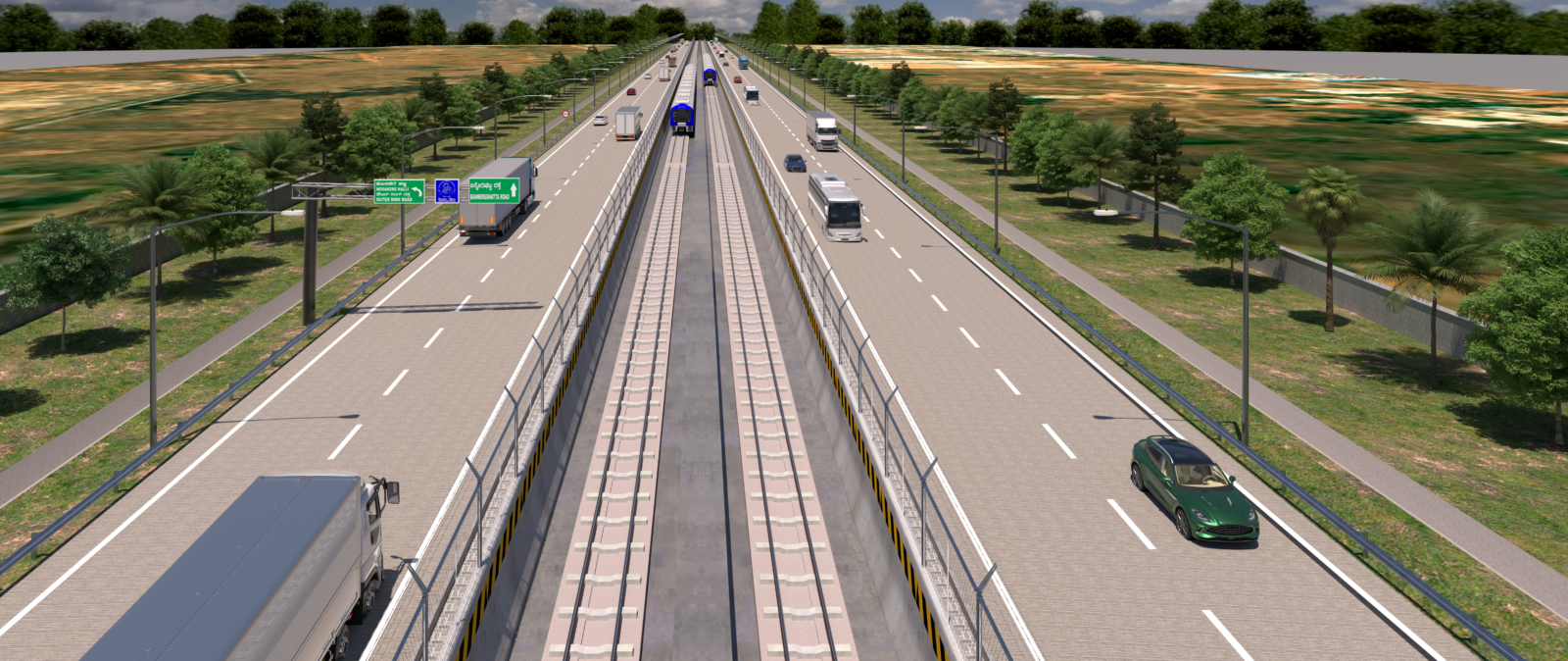
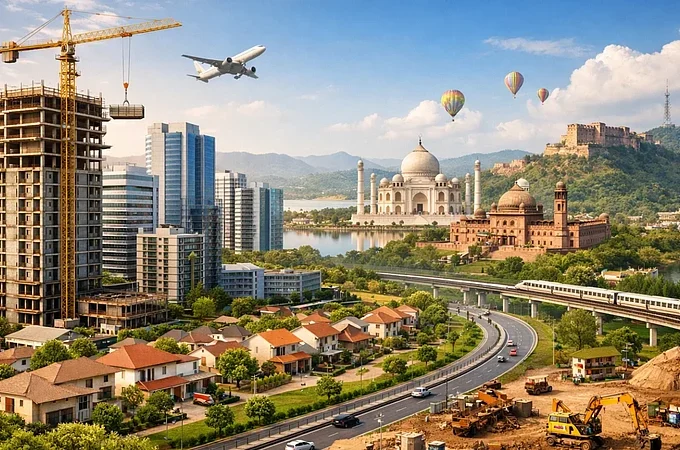
New expressways and rail corridors are reshaping how people and goods move across India. For non-metro cities such as Nagpur, Indore, Lucknow, Varanasi and Coimbatore, these infrastructure projects are reducing travel time, attracting investment and strengthening regional economic growth.
Why Transport Infrastructure Matters for Non-Metro India
India’s new expressways and rail corridors are doing more than improving connectivity. They are changing the economic potential of cities that were once considered secondary markets.
For decades, major infrastructure investments were concentrated around large metros. Today, national highways, dedicated freight corridors and upgraded railway networks are reaching deeper into Tier-2 and Tier-3 India.
This matters because efficient transport lowers logistics costs, improves market access and makes smaller cities more attractive for businesses, tourists and residents.
Better connectivity often leads to faster urban development and stronger local job creation.
Expressways Are Cutting Travel Time Dramatically
High-speed road corridors are among the most visible infrastructure upgrades in the country.
Projects such as the Delhi-Mumbai Expressway, the Samruddhi Mahamarg in Maharashtra and the Ganga Expressway in Uttar Pradesh are reducing travel times between key cities and industrial regions.
The Hindu Hrudaysamrat Balasaheb Thackeray Maharashtra Samruddhi Mahamarg, for example, connects Mumbai and Nagpur and significantly improves access to districts along the route.
For businesses, this means faster movement of goods. For families, it means safer and shorter intercity travel.
Nagpur and Central India Gain a Strategic Advantage
Nagpur is one of the biggest beneficiaries of India’s expanding transport network.
Located near the geographic center of the country, Nagpur already had strong logistical advantages. New road corridors, freight routes and airport-linked development through MIHAN are strengthening its role as a national distribution hub.
Improved connectivity is helping sectors such as warehousing, manufacturing, e-commerce and data centers grow in the region.
As travel times shrink, Nagpur’s importance to both business and tourism is increasing.
Dedicated Freight Corridors Are Transforming Rail Logistics
India’s dedicated freight corridors are designed to move cargo more efficiently and free up capacity on passenger routes.
The Western and Eastern Dedicated Freight Corridors have improved freight movement between ports, industrial centers and inland markets.
Over time, this can allow passenger trains to run more reliably and potentially at higher speeds on existing routes.
Cities connected to these corridors stand to benefit from new industrial parks and warehousing investment.
Semi-High-Speed Rail and Station Redevelopment
Rail travel is also improving through faster trains, track upgrades and modern station redevelopment.
Programs such as the Amrit Bharat Station Scheme aim to upgrade hundreds of railway stations across the country, including many in smaller cities.
Passengers can expect better waiting areas, improved accessibility and more organized station infrastructure.
Together with trains like Vande Bharat, these upgrades are raising expectations for rail travel beyond metro regions.
Indore, Varanasi and Coimbatore See New Opportunities
Indore, Varanasi and Coimbatore are among the cities benefiting from stronger transport links.
Indore’s growing industrial and startup ecosystem depends on better road and rail access. Varanasi is gaining from improved connectivity that supports tourism and trade. Coimbatore continues to strengthen its manufacturing base through enhanced logistics.
When connectivity improves, these cities become more competitive and attractive to investors.
How Improved Connectivity Affects Daily Life
For ordinary travelers, better infrastructure means less time on the road, more reliable train services and improved safety.
Students can commute more easily. Small businesses can reach new customers. Medical travel becomes faster, especially for people in surrounding districts.
Tourism also benefits as destinations become easier to access.
In practical terms, infrastructure development expands opportunities for millions of people.
Challenges That Still Need to Be Addressed
Large transport projects often face delays related to land acquisition, environmental clearances and funding.
In some areas, supporting infrastructure such as feeder roads and urban public transport still needs improvement.
To maximize impact, cities must integrate expressways and rail upgrades with local planning.
When that happens, the benefits extend far beyond transportation.
Key Takeaways
- New expressways and rail corridors are reducing travel time across non-metro India.
- Cities like Nagpur, Indore and Coimbatore are becoming more attractive for business and investment.
- Dedicated freight corridors are improving logistics and boosting industrial development.
- Better connectivity enhances daily life, tourism and regional economic growth.
FAQs
Which expressways are transforming non-metro India?
Major projects include the Delhi-Mumbai Expressway, Samruddhi Mahamarg and Ganga Expressway.
How do dedicated freight corridors help passengers?
By moving cargo to separate tracks, they free up capacity on existing routes for passenger trains.
Why is Nagpur gaining importance?
Its central location and improving connectivity make it a strategic logistics and industrial hub.
How do infrastructure projects benefit smaller cities?
They reduce travel time, attract investment and create new employment opportunities.







Leave a comment