


Smart City projects in Tier-2 India are beginning to deliver measurable improvements in transport, surveillance, public services and urban infrastructure. Cities such as Indore, Surat, Nagpur, Coimbatore and Bhubaneswar are showing how targeted investments can improve everyday life for residents.
Smart City Mission Enters a More Practical Phase
Launched in 2015 by the Government of India, the Smart Cities Mission was designed to improve urban infrastructure and service delivery in 100 cities. By 2026, the focus has shifted from announcing projects to completing and operating them.
Many Tier-2 cities have moved beyond pilot initiatives. Integrated command and control centres, smart roads, LED street lighting, intelligent traffic systems and digital citizen services are now functioning in several locations.
The real question in 2026 is no longer whether these projects were sanctioned, but whether residents can see and feel the difference in daily life.
Indore Sets the Benchmark for Urban Management
Indore is widely regarded as one of the strongest examples of successful urban governance. Known for its consistent performance in cleanliness rankings, the city has also leveraged Smart City investments to improve traffic management, public spaces and digital services.
Its Integrated Command and Control Centre monitors traffic, sanitation and emergency services in real time. Public bike-sharing, upgraded roads and improved waste processing have strengthened the city’s reputation for efficient administration.
For residents, the benefits are tangible. Cleaner streets, faster complaint resolution and better traffic coordination have made urban services more predictable.
Surat Uses Technology to Improve Safety and Mobility
Surat has used Smart City funding to expand CCTV surveillance, traffic automation and flood monitoring systems.
The city’s history of rapid growth and flood vulnerability made technology-driven planning a priority. Sensor-based systems and centralized monitoring have helped authorities respond more quickly to traffic bottlenecks and heavy rainfall.
Surat has also invested in public transport and road upgrades, helping one of India’s fastest-growing business cities maintain urban efficiency.
Nagpur Builds on Transport and Digital Infrastructure
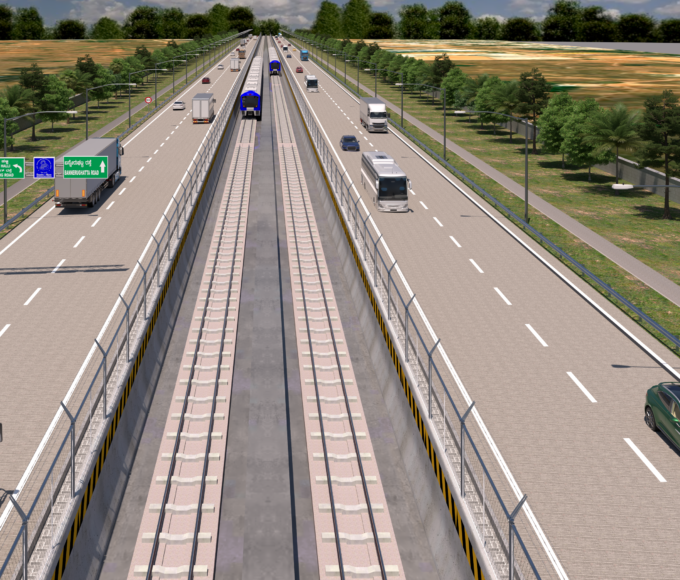
Nagpur has seen visible changes through its metro network, smart roads and digital governance initiatives.
The city’s command centre supports traffic monitoring, emergency coordination and public service tracking. Smart poles, adaptive traffic signals and improved junction design have modernized key corridors.
Nagpur’s progress is especially important because it demonstrates how a major Tier-2 city can combine central infrastructure projects with local civic improvements.
Bhubaneswar and Coimbatore Focus on Quality of Life
Bhubaneswar has invested in public spaces, sports infrastructure and digital administration. The city has often been cited as an example of integrated urban planning.
Coimbatore has focused on intelligent transport systems, water supply improvements and better pedestrian infrastructure.
These projects may attract less national attention, but they directly improve commuting, safety and service reliability.
What Real Change Looks Like for Residents
Smart City success is best measured by outcomes rather than announcements.
Residents tend to notice progress when:
- Traffic moves more smoothly at major junctions
- Street lighting improves safety
- Water and waste services become more reliable
- Citizen complaints are resolved faster
- Public spaces become cleaner and more usable
In cities where systems are maintained well, these changes improve both quality of life and investor confidence.
Challenges That Still Limit Smart City Outcomes
Not all projects have delivered equally strong results. Some cities face delays, maintenance issues and coordination problems after construction is completed.
Technology alone does not guarantee better governance. Outcomes depend on local leadership, operational budgets and the ability to integrate systems into everyday administration.
Cities that paired infrastructure spending with strong municipal management have generally performed better than those that focused only on hardware.
Why Tier-2 Cities Matter in India’s Urban Future
Tier-2 cities are expected to absorb a significant share of India’s future urban growth. If these cities become more efficient and livable, they can reduce pressure on metros while attracting businesses and skilled workers.
Smart City projects have shown that mid-sized cities can implement advanced systems when execution is disciplined and governance remains consistent.
By 2026, the most successful examples suggest that the mission’s lasting value lies in practical improvements residents experience every day.
Takeaways
- Smart City projects in Tier-2 India are delivering visible improvements in infrastructure and governance.
- Indore, Surat, Nagpur, Bhubaneswar and Coimbatore are among the strongest examples.
- Real success is measured by better traffic, safer streets and faster civic services.
- Long-term impact depends on maintenance and effective local administration.
Frequently Asked Questions
What is the Smart Cities Mission?
It is a Government of India initiative launched in 2015 to improve infrastructure, governance and quality of life in selected cities.
Which Tier-2 cities are showing the most progress?
Indore, Surat, Nagpur, Bhubaneswar and Coimbatore are widely recognized for meaningful implementation.
How do residents benefit from Smart City projects?
They experience improved roads, digital services, traffic management, public safety and cleaner urban spaces.
Are all Smart City projects successful?
Results vary significantly depending on project execution, maintenance and municipal governance capacity.










Leave a comment