

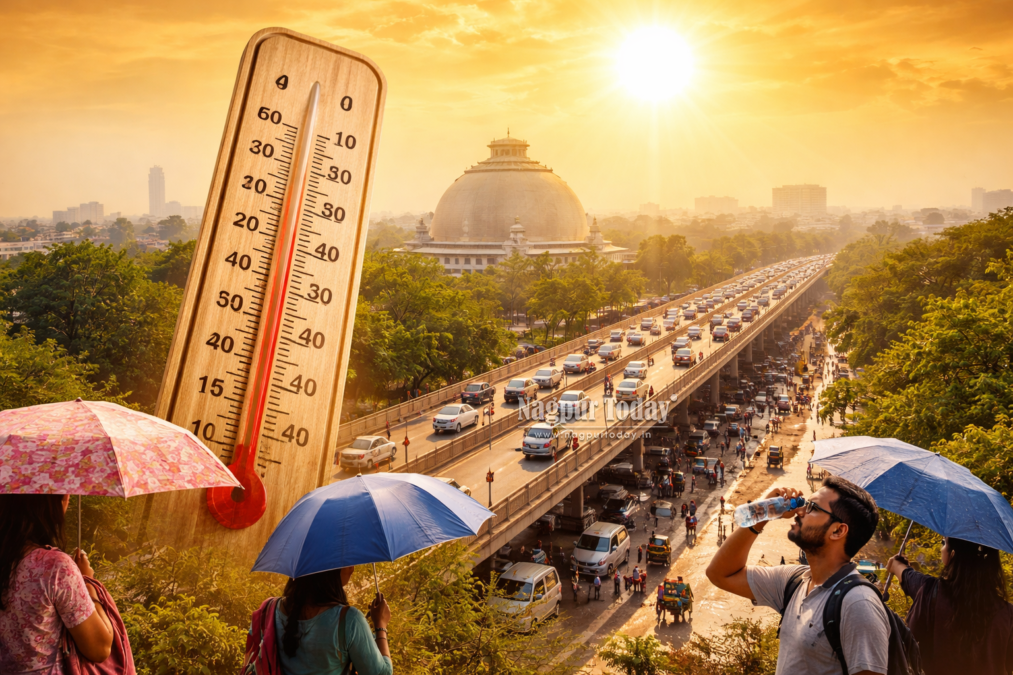
Nagpur, Indore and Nashik are facing rising heat and growing water stress as summer temperatures climb and reservoir levels come under pressure. Local authorities in these major Tier-2 cities are responding with water rationing, tanker supply, infrastructure upgrades and conservation campaigns.
Heatwave Conditions Increase Pressure on Urban Water Supply
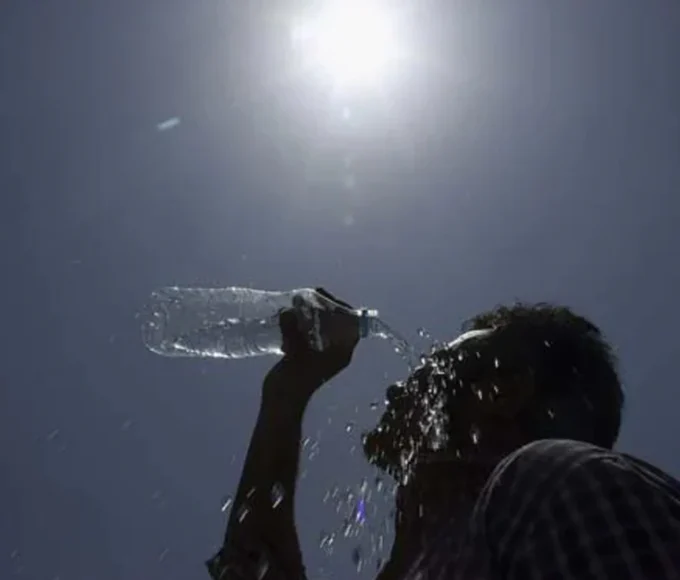
The summer of 2026 has brought intense heat to several parts of central and western India. Cities such as Nagpur in Maharashtra, Indore in Madhya Pradesh and Nashik in Maharashtra have reported temperatures crossing 42 degrees Celsius on multiple days.
This prolonged heat has increased household water demand while accelerating evaporation from lakes and reservoirs. Water stress occurs when demand begins to approach or exceed available supply. In rapidly growing urban centres, the problem becomes more visible as residential colonies, industrial areas and commercial zones all compete for the same sources.
For residents, the effects are immediate. Water pressure drops, supply timings are shortened and tanker demand rises sharply in outer areas.
Nagpur Water Supply Measures and Heat Response
Nagpur depends heavily on the Pench water supply system, which serves much of the city. During peak summer, the Nagpur Municipal Corporation typically intensifies monitoring of storage levels and distribution efficiency.
Authorities focus on repairing leaks, removing illegal connections and ensuring equitable distribution to areas that often face low pressure. Tankers are deployed to localities where piped supply is insufficient.
The city administration also issues heat advisories, urging residents to stay hydrated, avoid direct afternoon exposure and conserve water. Public drinking water points and emergency medical arrangements become especially important when temperatures remain high for several consecutive days.
As one of Vidarbha’s largest cities, Nagpur’s experience is closely watched by other urban centres in the region.
Indore Strengthens Water Management and Conservation
Indore draws water from the Narmada River and local reservoirs. With a growing population and expanding urban footprint, the city has invested significantly in water infrastructure and monitoring systems.
The Indore Municipal Corporation regularly reviews daily consumption, reservoir status and distribution losses. In periods of high demand, officials may adjust supply schedules to maintain stability across wards.
Conservation campaigns encourage residents to fix leaking taps, reuse household water where practical and avoid wastage. Indore’s administrative focus on urban management has helped the city maintain a stronger response capacity compared with many similarly sized cities.
Even so, sustained heatwaves can strain systems when demand rises sharply across both residential and industrial sectors.
Nashik Faces Dual Challenge of Heat and Agricultural Demand
Nashik relies on reservoirs such as Gangapur Dam for drinking water, while surrounding areas also depend on the same water system for agriculture.
This creates a dual challenge during summer. Urban consumption increases due to heat, while agricultural demand remains significant in nearby areas known for grape cultivation and other crops.
The Nashik Municipal Corporation monitors reservoir levels and may introduce temporary restrictions if storage declines more quickly than expected. Tankers are used to support fringe areas and newly developed neighbourhoods.
Officials also stress rainwater harvesting and groundwater recharge as long-term solutions to reduce dependence on a limited number of sources.
Why Tier-2 Cities Are More Vulnerable to Water Stress
Nagpur, Indore and Nashik are among India’s fastest-growing Tier-2 cities. Population growth, new housing projects and industrial expansion place constant pressure on civic infrastructure.
Unlike some metro cities that have access to multiple large-scale water systems, many Tier-2 cities depend on a few reservoirs or river-based supply schemes. A delayed monsoon, heatwave or infrastructure fault can therefore affect large populations quickly.
Water losses due to leakage and uneven distribution further intensify the challenge. Climate variability has made planning more difficult, with longer hot spells increasing both consumption and evaporation.
Long-Term Solutions Local Authorities Are Prioritizing
Municipal bodies are increasingly focusing on structural solutions rather than temporary responses alone.
Key measures include:
- Expanding water treatment and distribution networks
- Installing smart meters and pressure monitoring systems
- Promoting rooftop rainwater harvesting
- Reviving lakes and local water bodies
- Reducing non-revenue water caused by leaks and theft
These investments are essential if cities want to keep pace with urban growth and changing weather patterns.
Takeaways
- Nagpur, Indore and Nashik are experiencing higher temperatures and increasing pressure on water supply.
- Local authorities are using tanker services, leak repairs and supply adjustments to manage demand.
- Heatwaves raise consumption while reducing effective water availability.
- Rainwater harvesting and infrastructure upgrades are critical long-term solutions.
Frequently Asked Questions
Why are these cities facing water stress?
High temperatures, rapid urban growth and limited water sources are increasing demand faster than supply.
How are local authorities responding?
Municipal corporations are monitoring reservoir levels, repairing leaks, deploying tankers and promoting water conservation.
Which sectors are most affected?
Residential areas, industries and agriculture all face challenges when water availability tightens.
Can the 2026 monsoon improve the situation?
Yes, a normal or above-normal monsoon can replenish reservoirs and reduce immediate water shortages.



Leave a comment