

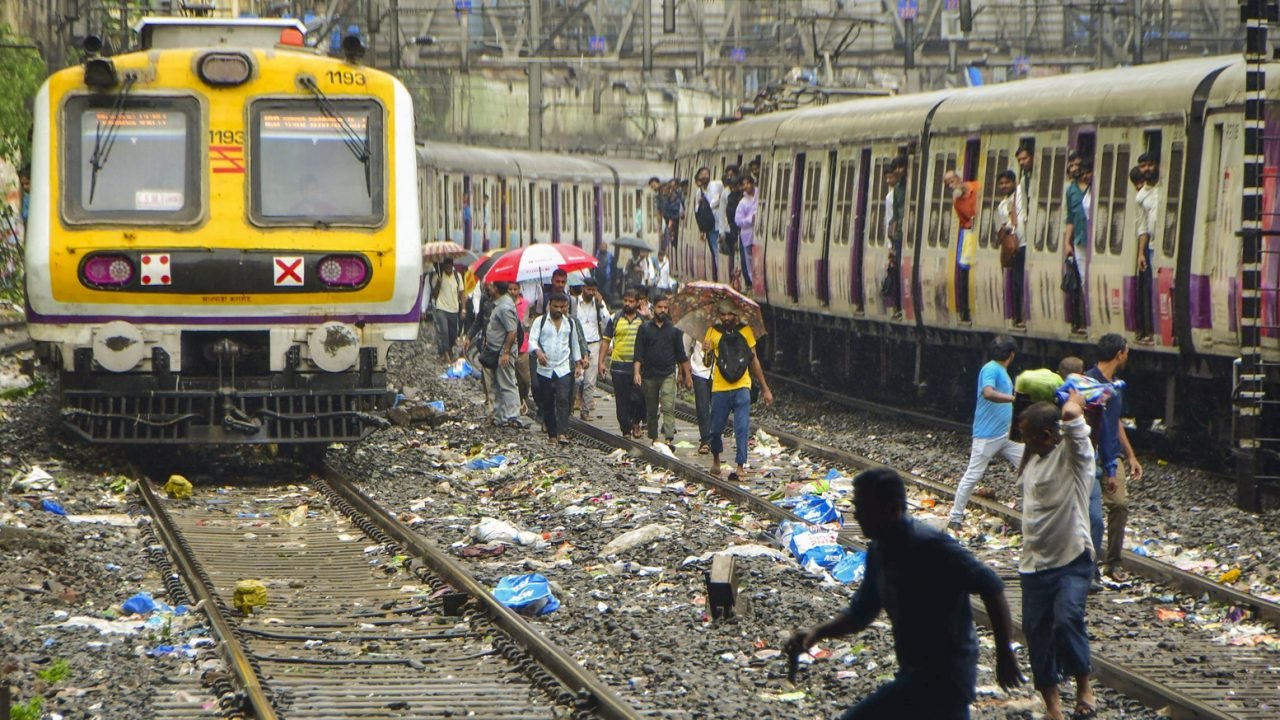
Maharashtra is witnessing a stronger monsoon phase, prompting authorities across several Tier-2 cities to activate flood preparedness measures. From drainage cleaning to emergency response planning, local administrations are working to reduce the impact of heavy rainfall and urban flooding during the peak monsoon season.
Monsoon Preparedness Becomes a Priority Across Maharashtra
The monsoon season has intensified across Maharashtra, bringing widespread rainfall to multiple regions and increasing concerns about urban flooding. While major cities often receive the most attention during heavy rain events, Tier-2 cities such as Nagpur, Nashik, Kolhapur, Aurangabad, Amravati, Sangli, and Solapur are also strengthening their preparedness efforts.
Heavy rainfall in recent years has exposed vulnerabilities in urban infrastructure, particularly in rapidly expanding cities where drainage systems have struggled to keep pace with growth. As weather agencies forecast continued rainfall activity, municipal authorities are focusing on preventive measures to reduce disruptions.
The monsoon intensifies across Maharashtra every year between June and September, but changing weather patterns and periods of intense rainfall have increased the need for better planning and faster response systems.
Urban Flooding Challenges in Growing Cities
Urban flooding has become a recurring challenge in many Tier-2 cities. Unlike river flooding, urban flooding occurs when drainage systems fail to handle large volumes of rainwater within a short period.
Several factors contribute to the problem. Rapid urbanisation has reduced natural water absorption areas, while construction activity has altered traditional water flow routes. In many cities, encroachments on stormwater channels and lakes have further increased flood risks.
Cities such as Nagpur and Nashik have invested in stormwater drainage improvements, but experts note that infrastructure upgrades must keep pace with population growth and urban expansion.
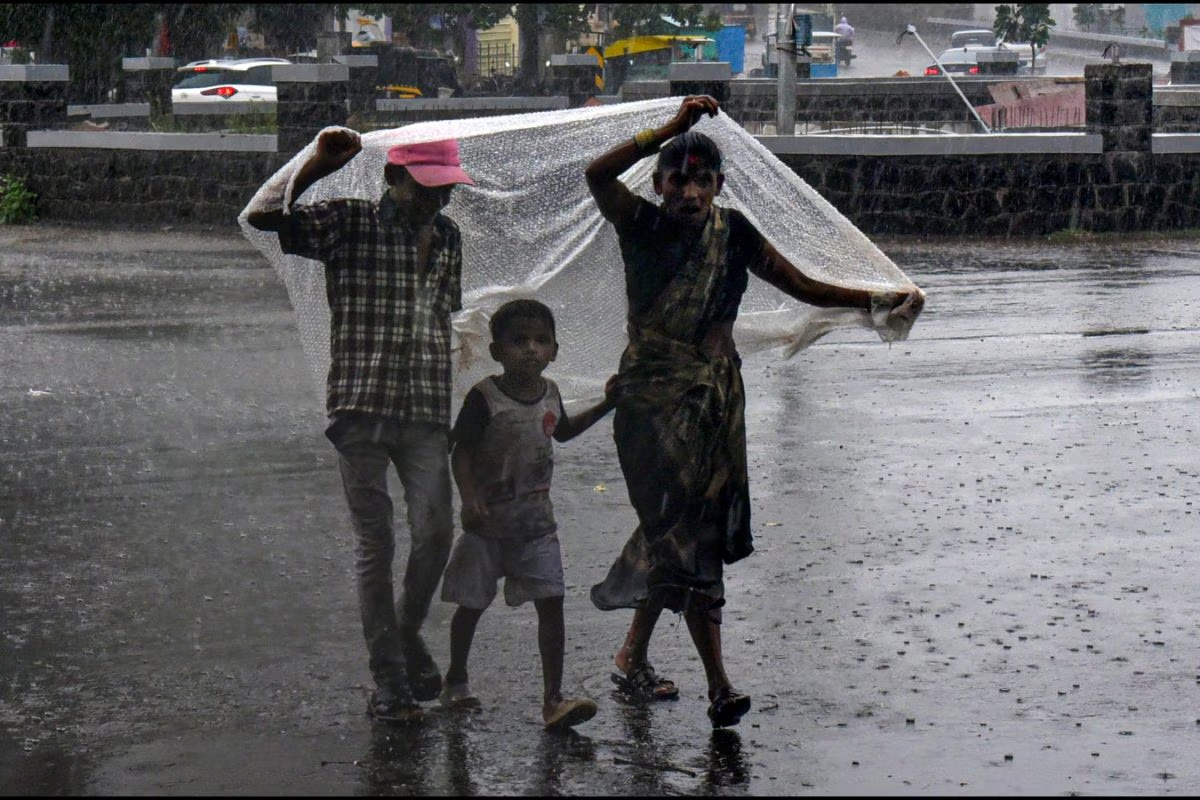
Low-lying residential areas, market zones, transport corridors, and informal settlements remain particularly vulnerable during periods of heavy rainfall. Traffic congestion, waterlogging, and temporary disruptions to public services often follow intense rain events.
How Municipal Authorities Are Preparing
Municipal corporations across Maharashtra have begun seasonal preparedness exercises ahead of peak monsoon activity.
Drain cleaning operations have been carried out in many urban areas to improve water flow and reduce blockages. Authorities have also inspected pumping stations, flood-prone locations, bridges, and culverts.
Emergency response teams are being positioned in vulnerable zones to respond quickly to flooding incidents. Control rooms are being activated in several districts to coordinate weather updates, citizen complaints, and disaster management efforts.
Many city administrations are also using digital monitoring systems to track rainfall intensity and water accumulation in real time. These technologies help officials identify risk zones and deploy resources more efficiently during emergencies.
Public awareness campaigns encouraging residents to avoid waterlogged roads and report drainage issues have also become an important part of monsoon preparedness strategies.
Role of Technology in Flood Management
Technology is playing an increasingly important role in urban flood management across India.
Many local governments are integrating weather forecasting data, GIS mapping, and smart sensors to improve preparedness. Real-time rainfall monitoring allows authorities to issue alerts before conditions become critical.
Some cities have adopted command-and-control centres that combine weather information, traffic updates, and emergency response coordination on a single platform. These systems help officials make faster decisions during heavy rainfall events.
Mobile applications and social media channels are also being used to communicate warnings and safety information to residents. Quick dissemination of information can significantly reduce risks during extreme weather situations.
Experts believe that data-driven planning will become essential as cities face more frequent instances of intense rainfall linked to climate variability.
Citizens Also Play a Critical Role
While government agencies carry out infrastructure and emergency management work, public participation remains equally important.
Residents are encouraged to avoid dumping waste into drains, report waterlogging hotspots, and follow weather advisories during periods of heavy rainfall. Blocked drains caused by garbage remain one of the leading contributors to urban flooding in many Indian cities.
Housing societies and commercial establishments are also being advised to inspect drainage systems, clear rooftop outlets, and prepare emergency plans for severe weather situations.
Community awareness and cooperation often help reduce the overall impact of flood-related incidents.
Looking Ahead to Peak Monsoon Weeks
The coming weeks are expected to be crucial as Maharashtra enters the most active phase of the monsoon season. Weather conditions can vary significantly across regions, with some districts receiving substantially higher rainfall than others.
For Tier-2 cities, preparedness is no longer limited to emergency response after flooding occurs. Increasingly, the focus is shifting toward prevention, infrastructure resilience, and technology-driven planning.
As rainfall patterns become more unpredictable, cities that invest in better drainage networks, flood monitoring systems, and public awareness initiatives are likely to be better positioned to manage future monsoon challenges.
Key Takeaways
• Tier-2 cities across Maharashtra are increasing flood preparedness measures during the active monsoon season.
• Urban flooding remains a major challenge due to rapid urbanisation and drainage limitations.
• Municipal authorities are using technology, monitoring systems, and emergency response plans to reduce risks.
• Public participation and responsible waste management play an important role in flood prevention.
FAQ
Q1. Why are Tier-2 cities vulnerable to urban flooding?
Tier-2 cities often experience rapid urban growth, while drainage infrastructure may not expand at the same pace, increasing flood risks during heavy rainfall.
Q2. What measures are municipal authorities taking before heavy rains?
Authorities are cleaning drains, inspecting flood-prone areas, deploying emergency teams, and monitoring rainfall through digital systems.
Q3. How does technology help manage urban flooding?
Real-time weather monitoring, GIS mapping, smart sensors, and emergency control centres help officials respond more effectively to flooding threats.
Q4. What can residents do during the monsoon season?
Residents should avoid dumping waste into drains, follow weather advisories, report waterlogging issues, and remain cautious during periods of heavy rainfall.
(Keywords: Maharashtra monsoon, urban flooding Maharashtra, Tier-2 cities Maharashtra, heavy rainfall preparedness, Nagpur monsoon news, flood management Maharashtra, stormwater drainage, monsoon safety tips, Maharashtra weather update, city flood preparedness)









Leave a comment