

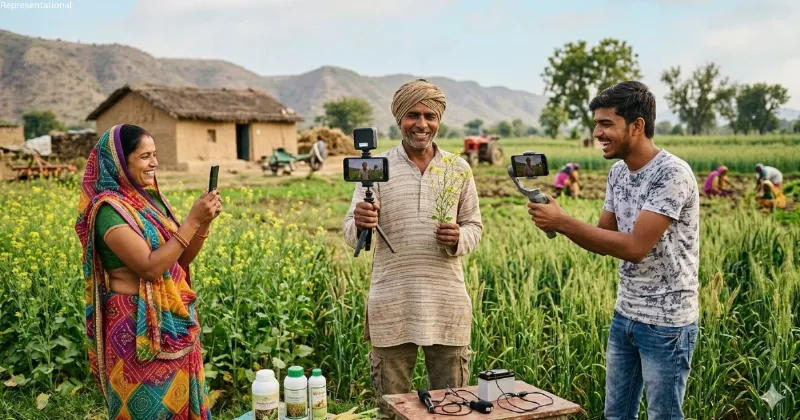
Indian cinema and web series are increasingly turning toward small-town narratives, bringing local cultures, regional identities, and everyday struggles into the mainstream. This shift reflects changing audience preferences and has helped create some of the most successful films and OTT shows of the past decade.
The Rise of Small-Town Stories in Indian Cinema and Web Series
The rise of small-town stories in Indian cinema and web series has become one of the most significant trends in the country’s entertainment industry. For decades, mainstream Hindi films largely focused on metropolitan lifestyles, wealthy families, and urban aspirations. However, changing audience tastes, the growth of OTT platforms, and the demand for authentic storytelling have shifted attention toward India’s smaller cities and towns.
Today, stories set in places such as Lucknow, Kanpur, Bhopal, Indore, Prayagraj, Kota, Patna, Bareilly, and small districts across Uttar Pradesh, Bihar, Madhya Pradesh, Rajasthan, and Maharashtra are attracting viewers nationwide. These narratives often explore local traditions, social challenges, family dynamics, and aspirations that resonate with a much wider audience than previously expected.
Why Audiences Connect With Regional Narratives
One of the primary reasons behind the success of small-town stories is relatability. A large percentage of India’s population lives outside major metropolitan centres. As a result, audiences often find these stories more familiar and authentic than narratives focused exclusively on urban elites.
Films and web series now feature characters dealing with competitive exams, government jobs, family expectations, local politics, education, entrepreneurship, and social mobility. These themes reflect realities experienced by millions of Indians.
Successful examples over the years have demonstrated that compelling storytelling does not require a metropolitan backdrop. Instead, audiences increasingly value believable characters and realistic settings. This trend has encouraged filmmakers to explore locations and cultures that were once rarely represented in mainstream entertainment.
OTT Platforms Fuel the Small-Town Content Boom
The rapid expansion of OTT platforms has played a major role in the growth of small-town content. Unlike traditional cinema, streaming platforms are not entirely dependent on box office performance and can cater to niche audiences.
This has allowed creators to experiment with regional settings, local dialects, and unconventional storylines. Web series such as crime dramas, family comedies, political thrillers, and social dramas often use small-town environments to add depth and realism to their narratives.
OTT audiences are also more willing to engage with stories from different parts of the country. As internet access expands across Tier-2 and Tier-3 cities, viewers are consuming content that reflects their own experiences while also discovering cultures from other regions.
The result is a more diverse entertainment landscape where local stories can achieve national popularity.
How Small-Town Cinema Changed Bollywood’s Storytelling
Bollywood’s approach to storytelling has evolved significantly over the past decade. Earlier, many mainstream films focused on larger-than-life characters and glamorous urban settings. Today, filmmakers are increasingly embracing realism.
Small-town cinema has introduced fresh themes, distinctive characters, and unique cultural contexts. Local festivals, traditions, dialects, and social structures have become central elements rather than background details.
This shift has also created opportunities for actors and writers who understand regional cultures. Authentic dialogue and nuanced performances have become important factors in audience engagement.
Moreover, filmmakers have discovered that strong stories rooted in specific locations can still achieve widespread appeal. In many cases, regional authenticity has become a commercial advantage rather than a limitation.
Impact on Tier-2 and Tier-3 Cities
The growing popularity of small-town narratives has also increased visibility for Tier-2 and Tier-3 cities. Locations that were once overlooked are now gaining recognition through films and web series.
This visibility can influence tourism, local pride, and cultural awareness. Audiences across India become familiar with local customs, languages, food, and social realities through entertainment content.
The trend has encouraged production houses to shoot in smaller cities, generating temporary economic activity and creating opportunities for local talent. Regional actors, technicians, writers, and production professionals are finding new avenues within the entertainment industry.
As a result, storytelling is becoming more geographically inclusive and reflective of India’s diversity.
What the Future Holds for Regional Storytelling
Industry observers believe the demand for small-town stories will continue to grow. Younger audiences increasingly seek authenticity and cultural specificity rather than formula-driven narratives.
Advances in streaming technology, expanding internet penetration, and growing regional content consumption are likely to support this trend. Producers are investing in stories that explore local issues while maintaining universal appeal.
Future projects may further blur the distinction between regional and mainstream entertainment. As audiences become more open to diverse narratives, stories from smaller towns and cities could play an even larger role in shaping India’s entertainment landscape.
Rather than being a temporary trend, the rise of small-town storytelling appears to represent a broader transformation in how Indian cinema and web series connect with audiences.
Key Takeaways
• Small-town stories have become a major trend in Indian cinema and web series.
• Audiences connect with regional narratives because of their authenticity and relatability.
• OTT platforms have accelerated the growth of content set in Tier-2 and Tier-3 cities.
• Regional storytelling is helping showcase India’s cultural diversity to wider audiences.
FAQ
Q1. Why are small-town stories becoming popular in India?
Audiences increasingly prefer realistic characters, relatable experiences, and authentic cultural settings that reflect everyday life.
Q2. How have OTT platforms contributed to this trend?
OTT platforms allow creators to explore niche subjects, regional cultures, and unconventional storylines without relying solely on theatrical success.
Q3. Which themes are common in small-town cinema and web series?
Popular themes include family relationships, education, government jobs, local politics, social change, entrepreneurship, and youth aspirations.
Q4. Will small-town storytelling remain important in the future?
Industry trends suggest that demand for authentic and regionally rooted stories is likely to continue growing across cinema and digital platforms.
(Keywords: small-town stories in Indian cinema, Indian web series trends, regional storytelling India, OTT content India, Tier-2 city cinema, Bollywood small-town films, Indian entertainment trends, regional content growth, Indian OTT audience, authentic storytelling India)











Leave a comment