

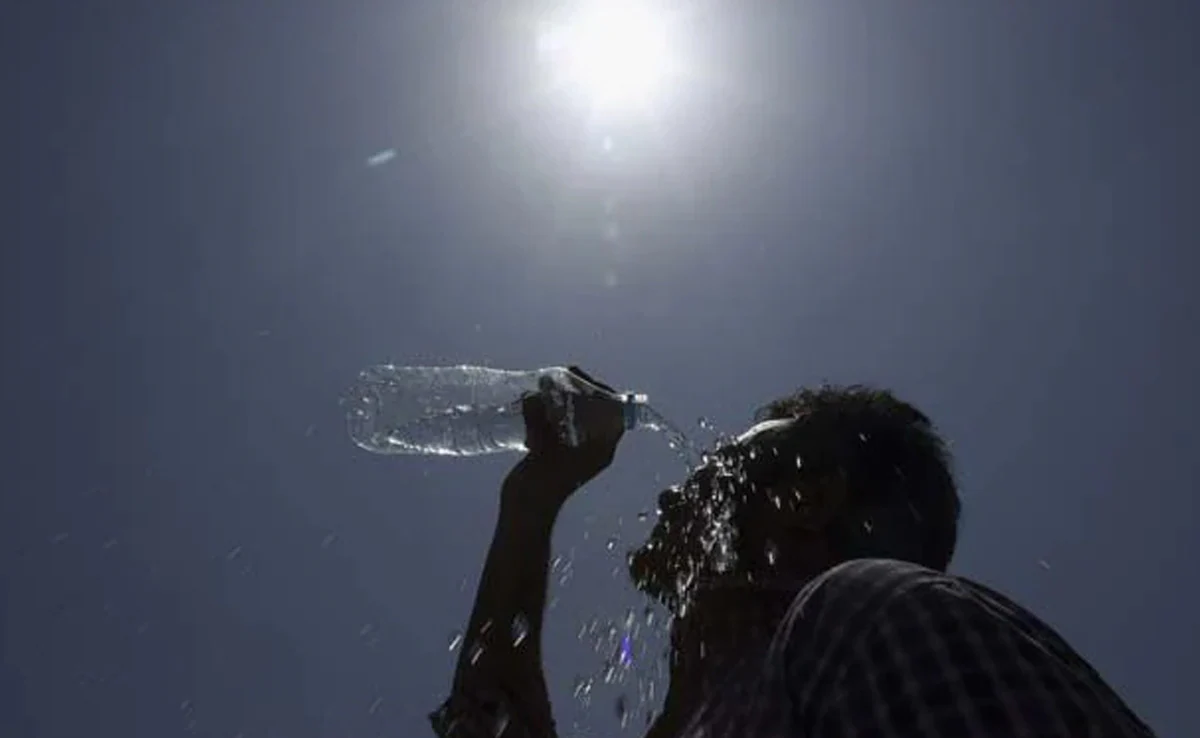
Water crisis concerns are returning across Maharashtra, Rajasthan, and Karnataka as temperatures continue rising before peak summer conditions fully arrive. Several districts in these states are already reporting falling reservoir levels, groundwater stress, tanker dependence, and fears of drinking water shortages if pre-monsoon rainfall remains weak.
Reservoir Levels and Groundwater Stress Trigger Fresh Concerns
The water crisis in India’s western and southern states has become a recurring seasonal challenge, but early warning signs in 2026 are drawing attention sooner than expected.
In Maharashtra, multiple regions including Marathwada and parts of Vidarbha are witnessing declining water storage levels in dams and reservoirs. Rural areas dependent on groundwater are also reporting falling borewell output after consecutive years of irregular rainfall patterns.
Rajasthan, which already faces chronic water scarcity in several districts, is experiencing renewed concerns in desert and semi-arid regions where groundwater recharge remains limited. Tanker-based supply systems are being prepared in some vulnerable zones even before peak summer arrives.
Karnataka has also seen pressure building in both urban and rural regions. Bengaluru continues to face groundwater depletion concerns, while northern Karnataka districts remain dependent on uncertain rainfall and reservoir management.
Officials in several states have begun reviewing contingency plans to avoid severe shortages during May and June.
Climate Variability Is Making Water Management Harder
One of the major reasons behind recurring water shortages is changing rainfall behavior across India.
Meteorologists and climate experts have repeatedly observed that rainfall distribution is becoming increasingly uneven. Some regions receive intense short-duration rainfall leading to flooding, while other areas experience long dry spells that affect groundwater recharge and reservoir recovery.
This creates a serious challenge for water storage systems. Even when annual rainfall figures appear normal on paper, poor distribution often reduces long-term water availability.
Heatwave conditions also increase evaporation losses from reservoirs and lakes. In states like Maharashtra and Rajasthan, rising summer temperatures place additional pressure on already stressed water systems.
Climate experts have warned that Indian cities and drought-prone districts must improve long-term water conservation planning instead of relying only on monsoon recovery each year.
Without stronger storage infrastructure and groundwater regulation, seasonal water crises may continue becoming more frequent.
Rapid Urban Growth Is Increasing Water Demand
India’s expanding urban population is another major factor behind growing water concerns.
Cities such as Bengaluru, Pune, Jaipur, Nagpur, and Nashik have seen rapid population growth over the last decade. Residential expansion, industrial activity, construction projects, and commercial development have sharply increased daily water demand.
In Bengaluru, groundwater extraction remains a major issue despite repeated conservation campaigns. Thousands of private borewells continue supplying water to residential societies and commercial areas, placing long-term pressure on underground reserves.
Maharashtra’s growing industrial corridors and expanding suburban housing projects are also increasing water demand beyond traditional city limits.
In Rajasthan, tourism activity and urban development in cities like Jaipur, Jodhpur, and Udaipur are adding pressure to already limited water resources.
Experts say urban planning in many cities has not kept pace with population growth, leading to inefficient water distribution systems, leakage losses, and overdependence on groundwater.
Rural Communities and Farmers Face Early Pressure
The water crisis affects rural communities even more severely than urban centers.
Farmers in drought-prone districts often face uncertainty regarding irrigation availability before sowing seasons begin. In regions where reservoir storage drops early, irrigation cuts may be imposed to prioritize drinking water supply.
This creates economic pressure for agricultural communities already dealing with unpredictable weather patterns and rising input costs.
In Maharashtra’s Marathwada region, water scarcity has historically affected both crop productivity and migration patterns. Similar concerns continue in parts of Rajasthan and northern Karnataka where groundwater tables remain under stress.
Villages dependent on tanker supply often experience irregular delivery schedules during severe summer periods. Women and elderly residents are usually the most affected in such situations because they spend significant time collecting and storing water.
Water availability also impacts livestock, local businesses, schools, and healthcare facilities in vulnerable districts.
Governments Are Expanding Conservation and Supply Measures
State governments are preparing multiple short-term and long-term responses to manage potential shortages.
Authorities in Maharashtra, Karnataka, and Rajasthan have increased monitoring of reservoir storage levels and groundwater conditions. Local administrations are also identifying districts that may require tanker support if conditions worsen.
Water conservation campaigns focusing on rainwater harvesting, lake restoration, wastewater recycling, and groundwater recharge are receiving renewed attention.
Several cities have also started stricter enforcement against excessive groundwater extraction and water wastage.
Infrastructure projects including river-linking proposals, desalination initiatives, pipeline expansion, and smart water management systems are being discussed in different states. However, many experts believe implementation speed remains slower than required.
Urban planners argue that future water security will depend heavily on sustainable planning, wastewater reuse, efficient irrigation systems, and stricter control over unregulated groundwater usage.
Public Awareness and Conservation Will Remain Critical
Experts consistently emphasize that government action alone cannot solve India’s recurring water stress.
Household-level conservation practices such as rainwater harvesting, reducing daily wastage, fixing pipeline leaks, and recycling greywater can significantly reduce pressure on urban supply systems.
Industries and housing societies are also being encouraged to adopt sustainable water management practices.
Several environmental groups warn that unless India improves long-term water governance, many fast-growing cities could face severe shortages in the coming decades.
The current situation in Maharashtra, Rajasthan, and Karnataka is once again highlighting how closely climate patterns, urban growth, and water security are now connected.
Key Takeaways
- Maharashtra, Rajasthan, and Karnataka are witnessing early water stress before peak summer
- Falling reservoir levels and groundwater depletion remain major concerns
- Climate variability and rapid urban growth are increasing pressure on water resources
- Governments are expanding conservation, tanker planning, and monitoring efforts
FAQs
Why are water crisis concerns increasing before peak summer?
Low reservoir storage, groundwater depletion, rising temperatures, and uneven rainfall patterns are creating early signs of water stress.
Which regions are most affected by water shortages?
Parts of Maharashtra, Rajasthan, and Karnataka, especially drought-prone rural districts and rapidly growing urban areas, are facing concerns.
How does climate change affect water availability?
Climate variability leads to irregular rainfall distribution, longer dry periods, heatwaves, and reduced groundwater recharge.
What measures are being taken to manage the crisis?
Governments are monitoring reservoir levels, preparing tanker supplies, promoting rainwater harvesting, and expanding water conservation programs.








Leave a comment