

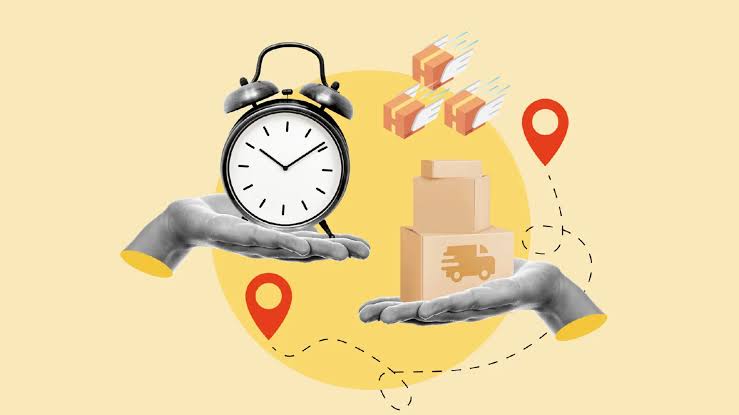
Quick commerce beyond metro cities is emerging as one of the biggest opportunities in India’s retail and digital economy. As internet penetration, digital payments, and consumer demand continue to rise in Tier 2 and Tier 3 cities, rapid delivery platforms are expanding their presence beyond traditional metropolitan markets.
Why Quick Commerce Is Expanding Beyond Metro Cities
Quick commerce has transformed the way urban consumers purchase groceries, medicines, personal care products, and daily essentials. What began as a convenience service in major cities is now gradually reaching smaller urban centres where consumer expectations are changing rapidly.
The widespread adoption of smartphones, affordable mobile data, and digital payment platforms has created favourable conditions for quick commerce companies to enter new markets. Consumers in cities such as Indore, Nagpur, Lucknow, Surat, Jaipur, Coimbatore, Bhubaneswar, and Kochi are increasingly comfortable ordering products online for fast delivery.
This shift is encouraging companies to view Tier 2 and Tier 3 cities as long-term growth markets rather than secondary expansion targets.
Digital Infrastructure Is Driving Growth in Smaller Cities
India’s expanding digital infrastructure has played a significant role in making quick commerce viable outside metro areas.
Unified Payments Interface transactions have become common across small businesses and households, making online payments simple and secure. Improved internet connectivity and widespread smartphone ownership have also increased customer confidence in digital shopping.
Local logistics networks have matured considerably over the past few years. Better roads, improved warehousing, and the availability of delivery partners allow companies to serve customers more efficiently than before.
As digital adoption continues to grow, quick commerce companies are finding it easier to establish operations in emerging cities.
Consumer Behaviour Is Changing Across Tier 2 Markets
Consumers in smaller cities are no longer shopping online only for electronics or fashion. They increasingly expect groceries, household essentials, snacks, beverages, medicines, and personal care products to be delivered quickly.
Working professionals, students, young families, and elderly customers all value convenience, especially when time is limited or travel is inconvenient.
Seasonal demand during festivals, extreme weather conditions, or local events also increases the appeal of rapid delivery services.
Unlike earlier perceptions, consumers in Tier 2 cities are becoming more quality conscious and digitally connected, making them attractive customers for quick commerce platforms.
Local Partnerships Will Determine Long-Term Success
Expanding beyond metro cities requires more than simply opening new warehouses. Companies must understand local buying habits, product preferences, pricing expectations, and seasonal demand.
Partnering with neighbourhood retailers can strengthen supply chains while supporting local businesses instead of replacing them. Many platforms now operate through dark stores, local fulfilment centres, or hybrid retail models designed to improve delivery efficiency.
Offering regional products, local food brands, and city-specific inventory can also improve customer satisfaction.
Businesses that adapt their operations to local market conditions are more likely to build long-term customer loyalty.
Challenges Remain Despite Strong Growth Potential
Although the opportunity is significant, expanding quick commerce outside metropolitan areas comes with challenges.
Lower population density in some locations may reduce order volumes compared to major cities. Delivery costs can also be higher if infrastructure is less developed or customer locations are spread across larger areas.
Maintaining fast delivery while ensuring profitability remains a key operational challenge. Companies must carefully manage inventory, warehouse placement, staffing, and transportation costs.
Competition from traditional neighbourhood stores also remains strong. Many local retailers already provide home delivery through phone calls or messaging applications, requiring quick commerce platforms to offer better convenience and value.
The Future of Quick Commerce in India
Industry experts believe the next phase of quick commerce growth will depend on expansion into Tier 2 and Tier 3 cities rather than relying solely on metropolitan markets.
Advances in artificial intelligence, demand forecasting, route optimisation, and inventory management are expected to improve operational efficiency and reduce delivery costs.
As disposable incomes rise and digital habits continue to evolve, consumers in smaller cities are likely to adopt rapid delivery services for an expanding range of products.
Companies that combine efficient logistics, local partnerships, affordable pricing, and reliable customer service will be well positioned to benefit from India’s growing quick commerce market.
The future of quick commerce will not be defined only by speed but also by accessibility, sustainability, and the ability to meet the everyday needs of millions of consumers beyond the country’s largest cities.
Takeaways
- Quick commerce is expanding rapidly into Tier 2 and Tier 3 cities as digital adoption increases.
- Better internet connectivity, digital payments, and logistics are enabling faster deliveries outside metro markets.
- Local partnerships and region-specific product offerings are essential for long-term success.
- Future growth will depend on balancing delivery speed, customer satisfaction, and sustainable business operations.
Frequently Asked Questions
1. What is quick commerce?
Quick commerce is an online retail model that delivers groceries, household essentials, medicines, and other daily-use products within a short period, often in less than an hour.
2. Why are companies expanding into Tier 2 and Tier 3 cities?
These cities have growing internet usage, increasing digital payment adoption, rising disposable incomes, and a large customer base with evolving shopping habits.
3. What challenges do quick commerce companies face outside metro cities?
Key challenges include maintaining profitability, building efficient logistics networks, managing inventory, and competing with established local retailers.
4. Which sectors benefit the most from quick commerce?
Groceries, fresh produce, pharmacy products, personal care items, packaged foods, beverages, and household essentials are among the fastest-growing categories.
(Internal Keyword Suggestions: quick commerce India, Tier 2 cities, Tier 3 cities, online grocery delivery, rapid delivery services, digital retail India, ecommerce growth India, last-mile delivery, retail technology, quick commerce expansion)









Leave a comment